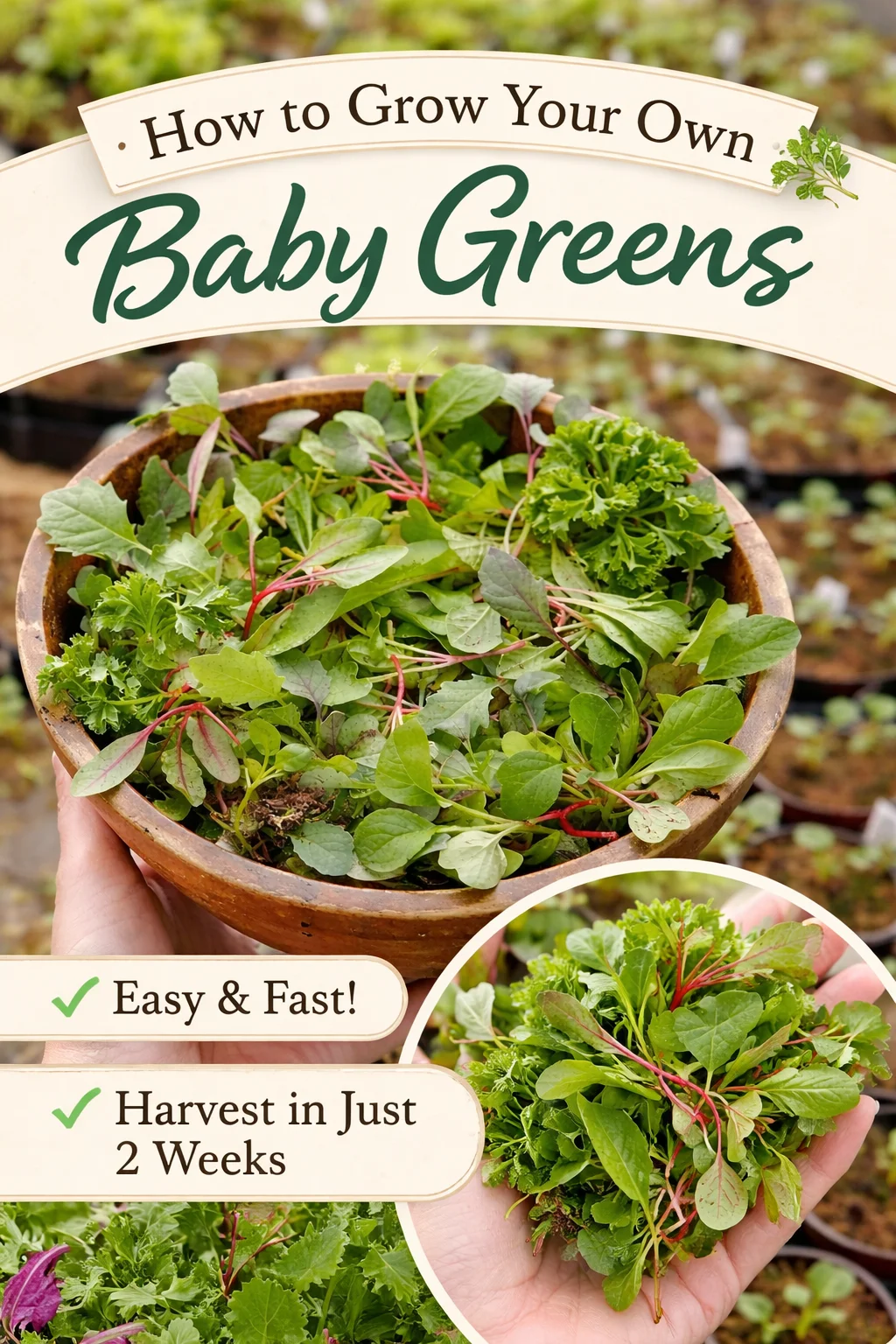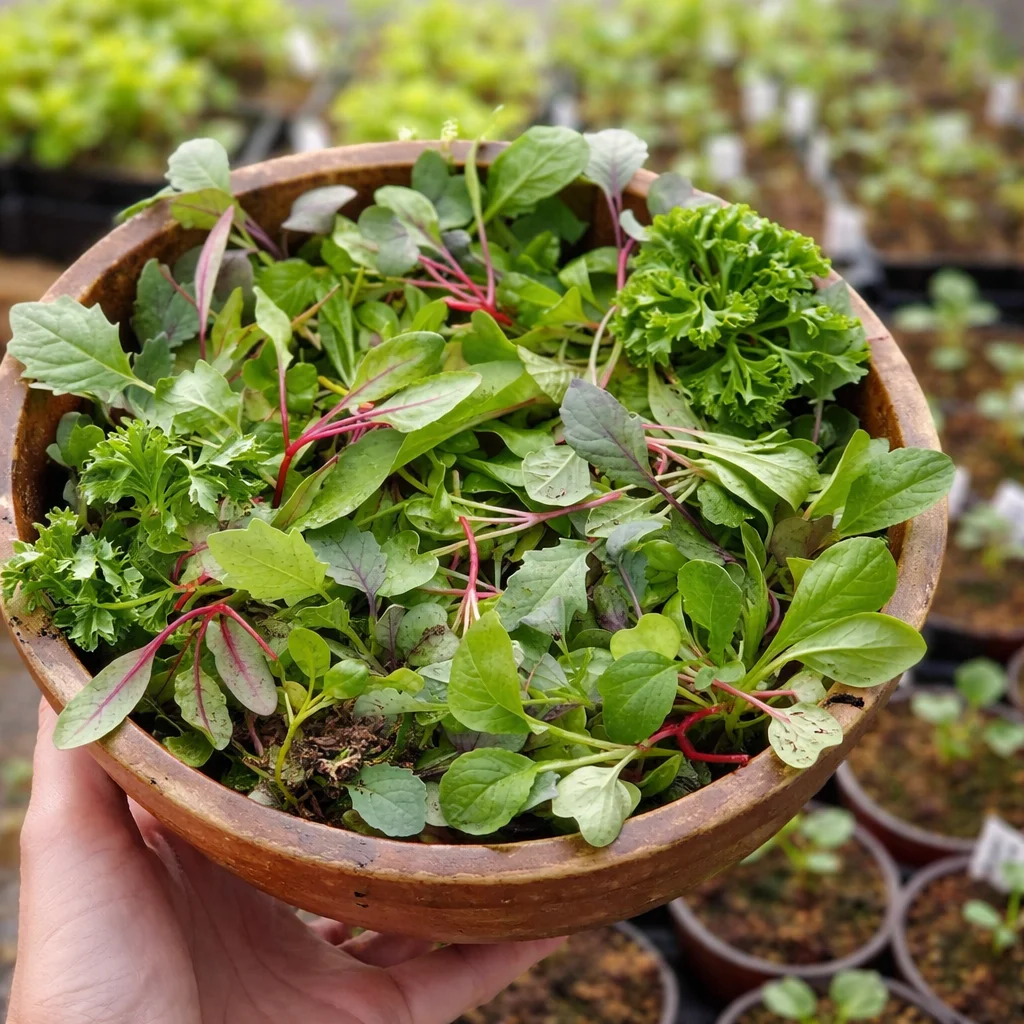
10 Simple Mistakes to Avoid When Growing Herbs at Home is basically the story of my first “tiny garden” on a sunny windowsill that turned into a sad little herb graveyard. I used to think herbs were low effort, like you just water them sometimes and they magically become dinner. Nope. A few small mistakes can make basil sulk, mint go wild, and rosemary act like it’s offended by your whole house. So I’m sharing what I wish someone had told me from the start, in plain language, with the little fixes that actually work. If you cook even a little, growing herbs at home can be the most satisfying thing ever once you stop doing these common slip ups.
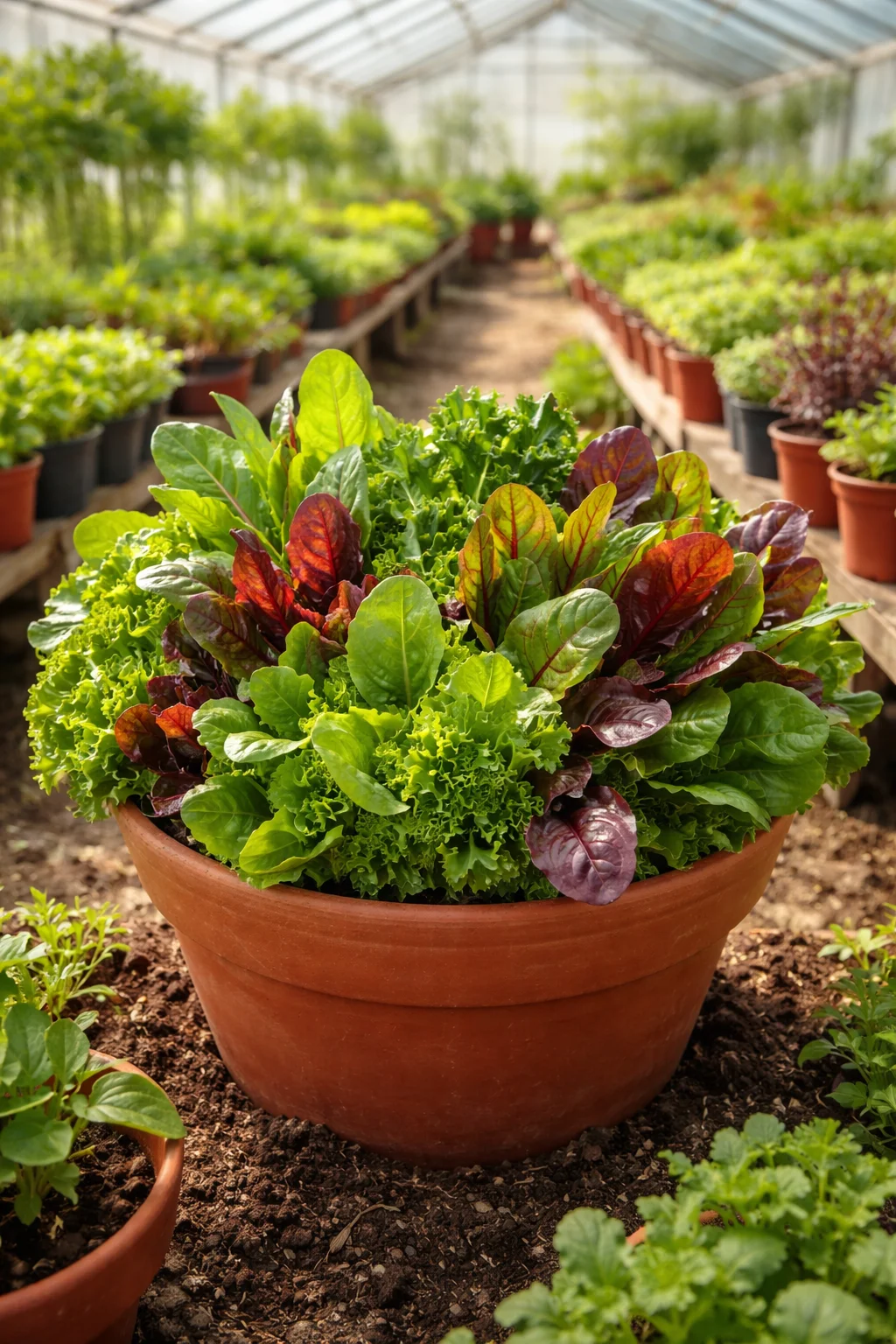
Getting Started with Blueberry Gardening
I know, I know, you came for herbs, and suddenly we’re talking about blueberries. But hear me out: a lot of the same beginner mistakes show up in both, and the “setup” mindset is exactly what saves your herb pots too. Getting started is less about buying cute containers and more about understanding what your plants are asking for.
My simple starter checklist before I plant anything
When I’m growing herbs at home, I do a quick check so I don’t end up panic Googling at midnight later.
- Light: Most herbs want bright light. If you do not have it, plan a grow light.
- Drainage: If water cannot escape, roots rot. Period.
- Pot size: Tiny pots dry out fast, huge pots stay wet too long.
- Soil: Regular outdoor dirt is usually too heavy for containers.
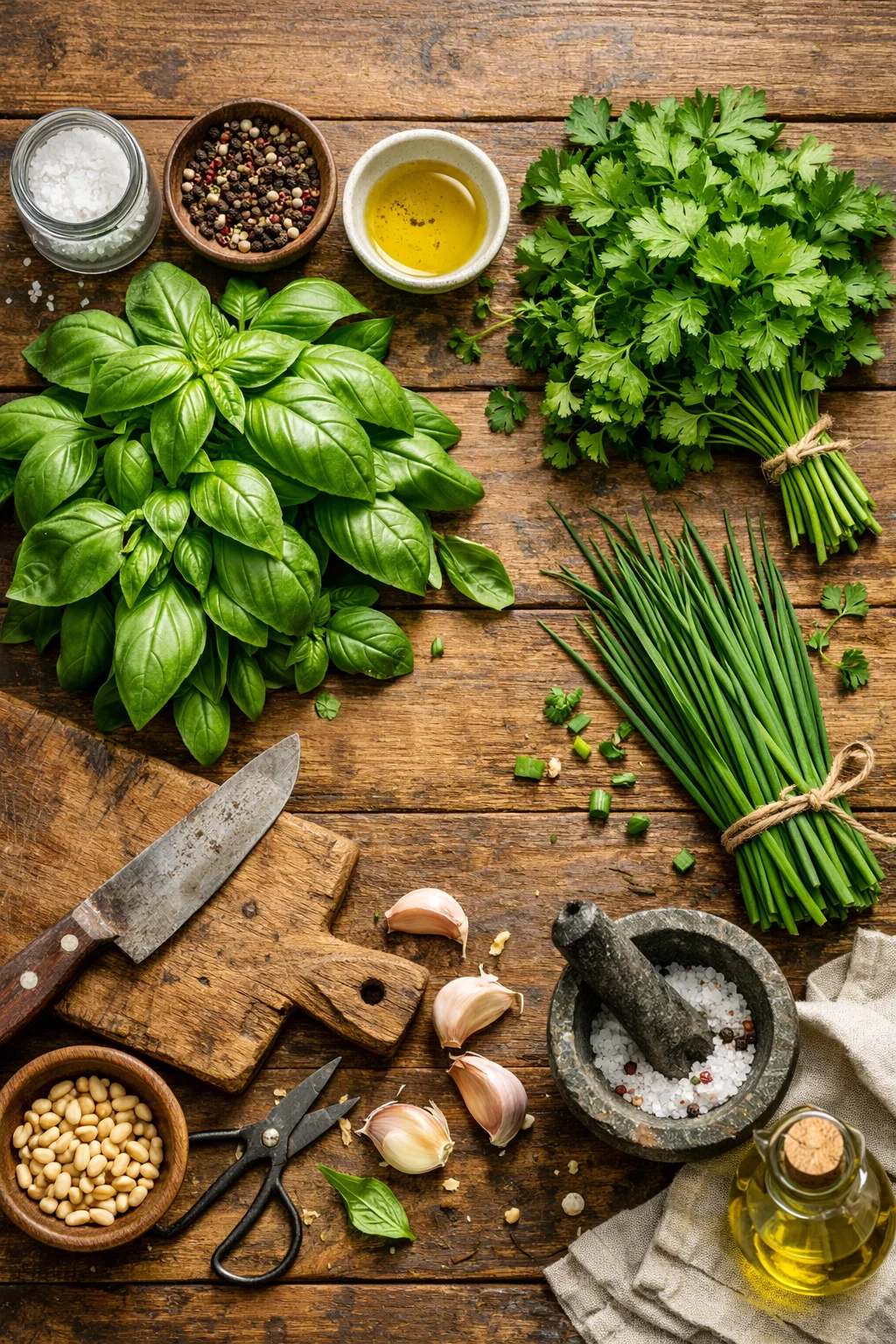
- Plan for cooking: Plant what you actually use. I love basil, parsley, and chives because they disappear into everything.
Also, a quick kitchen confession: the reason I started growing herbs at home is because I got tired of buying a plastic clamshell of basil, using five leaves, then watching the rest melt into slime. Now I snip what I need and it feels like I’m cheating the grocery store.
And if you’re the kind of person who likes a cozy carb moment after watering plants, my comfort obsession is this Cajun potato soup. Fresh chopped parsley on top makes it taste like you tried harder than you did.
Choosing the Right Location for Blueberry Plants
This is where the big mistakes happen for herbs too. The “location” is not just a cute spot on your counter. It is light, airflow, and temperature all working together. When growing herbs at home, I’ve learned they are a little dramatic about where they live.
Here are a few location mistakes I see all the time, and yep, I’ve done every single one:
1) Not enough light. Basil and rosemary especially will get leggy and sad if they are reaching for the sun. If your window gets weak light, add a small grow light and put it on a timer.
2) Putting herbs too close to a cold window. In winter, that glass can chill your plants at night. If leaves are turning dark or dropping, pull the pot back a few inches.
3) Keeping them in a steamy, low light kitchen corner. Kitchens feel “planty,” but many kitchens are actually not bright enough. Steam can also invite fungus if there’s no airflow.
4) Forgetting outdoor herbs need hardening off. If you move herbs outside in spring, do it slowly. A full sun shock can scorch tender leaves.
If you do have outdoor space, think like a blueberry grower for a second: you want a spot that gets steady sun and drains well. Indoors, that translates to bright light and pots that do not stay soggy.
Importance of Soil Testing for Blueberries
Soil testing sounds super serious, but the real point is simple: plants cannot thrive if the basics are off. With blueberries, pH is a huge deal. With herbs, it is usually less intense, but the principle still matters. If you keep failing at growing herbs at home, soil is one of the first things I’d look at.
Here are some soil related mistakes that mess people up:
5) Using heavy soil that stays wet. Many herbs like soil that drains well. Soggy soil leads to root rot, which looks like “my herb is dying for no reason.”
6) Skipping nutrients forever. Container plants eventually run out of food. A gentle herb friendly fertilizer helps, especially if you keep harvesting a lot.
7) Never checking what you are working with. For blueberries, you test pH. For herbs, you at least want to know if your potting mix drains well and is not packed down like cement.
On the blueberry side, if you are planting them in the ground, a real soil test is worth it because it tells you pH and nutrients so you are not guessing. For herb containers, you can still “test” by observing: does water run through in a few seconds, or does it puddle on top? If it puddles, roots are probably not breathing.
Also, little kitchen tie in: when my herbs are thriving, I do the simplest dinner ever, a crispy baked potato with butter and a big pile of chopped chives and parsley. It tastes like a steakhouse side, but it is literally just herbs doing the heavy lifting.
;
“I stopped overwatering, switched to a lighter potting mix, and moved my basil to a brighter window. It bounced back in a week and now I actually have enough to cook with.”
Tips on Proper Mulching Techniques
Mulch is one of those topics that sounds like it only matters in big gardens, but it can be helpful in containers too, especially outdoors. For blueberries, mulch helps keep roots cool and holds moisture. For herbs, a light touch is the secret. Too much mulch can trap moisture and make the surface stay damp, which herbs do not always love.
Mulching mistakes to avoid:
8) Smothering the base of the plant. Leave a little breathing room around the stem. If you pile mulch right up against it, you can invite rot.
9) Using the wrong material. Outdoors, fine bark or straw can work. Indoors, I usually skip mulch entirely because fungus gnats love constantly damp top layers.
10) Using mulch to “fix” bad watering habits. Mulch is not a magic bandage. If your pot has poor drainage, mulch will not save it.
If you want the easiest version: for outdoor pots, a thin layer of bark fines can help on hot days. For indoor herbs, focus on good soil and watering correctly instead of mulching.
And because I cannot help myself, if you ever end up with extra herbs and you want a snacky side, these crunchy mini potato skins are ridiculously good with a little sour cream and chopped chives on top.
Common Mistakes When Growing Blueberries
This is the big roundup, and yes, we’re looping it back to herbs because the same “plant logic” keeps showing up. Blueberries have their own needs, but the mistakes are familiar: wrong spot, wrong soil, inconsistent watering, and expecting instant results.
Here’s a quick, practical way to think about it if you’re growing herbs at home and maybe also dreaming about blueberries:
Patience is part of the deal. Blueberries take time to establish. Herbs can be faster, but they still need a couple weeks to settle in after transplanting.
Watering is about consistency, not drama. Do not let pots bone dry, then flood them. Feel the soil with your finger. If the top inch is dry, water thoroughly and let it drain.
Harvesting is a skill. When you pinch basil above a leaf set, it branches and gets bushy. If you just strip leaves from the bottom, it turns into a lanky little tree.
One more thing I learned the hard way: grocery store herb plants are often overcrowded. That one basil pot might be like 20 seedlings crammed together. If you want it to last, gently divide it into a couple pots. It feels scary, but it helps a lot.
Common Questions
How often should I water herbs in pots?
It depends on light and pot size, but a good habit is to check daily. Water when the top inch feels dry, then water until it runs out the bottom.
Why is my basil tall and floppy?
Usually low light or not pinching it back. Give it brighter light and pinch the top growth regularly so it grows bushier.
Can I grow herbs at home without a sunny window?
Yes. A small grow light works wonders. Put it close enough to be effective and use a timer for about 12 to 14 hours a day.
Should I mist my herbs?
Most of the time, no. Misting does not replace watering and can encourage fungus. If your air is super dry, focus on consistent watering instead.
What herbs are easiest for beginners?
Chives, parsley, mint (in its own pot), and basil if you have enough light. Start with what you actually cook with so you stay excited.
A cozy final pep talk before you plant another pot
If you’ve struggled with growing herbs at home, it is usually not because you have a “black thumb.” It is almost always light, drainage, or inconsistent watering, and those are totally fixable. Keep it simple, adjust one thing at a time, and you’ll be shocked how fast herbs bounce back. If you want more good beginner reminders, I like this roundup on Ten Mistakes New Herb Gardeners Make (and How to Avoid Them!) and this practical guide from a nursery, Ten Mistakes New Herb Gardeners Make (and How to Avoid Them!). Now go snip a few leaves, toss them on dinner, and let your plants be part of the fun.