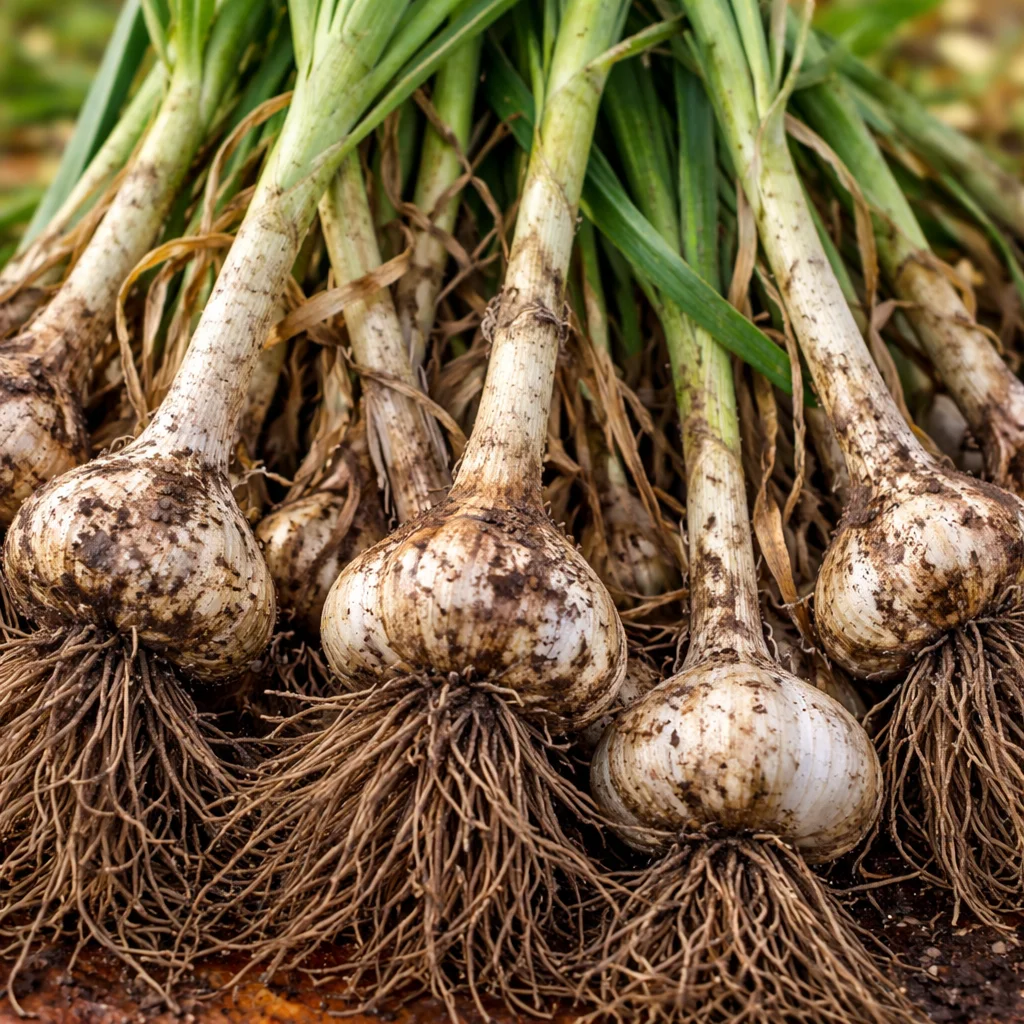
Beginner’s Guide to Growing Garlic at Home in Containers is basically my love letter to anyone who wants fresh garlic but does not have a garden plot, perfect soil, or even a backyard. If you have a sunny spot and a pot, you are in business. I started doing this when I got tired of buying garlic that sprouted two days after I brought it home. Container garlic is beginner friendly, surprisingly low effort, and honestly kind of addictive once you see those green shoots pop up. Also, homegrown garlic has this clean, punchy smell that makes you want to cook immediately.
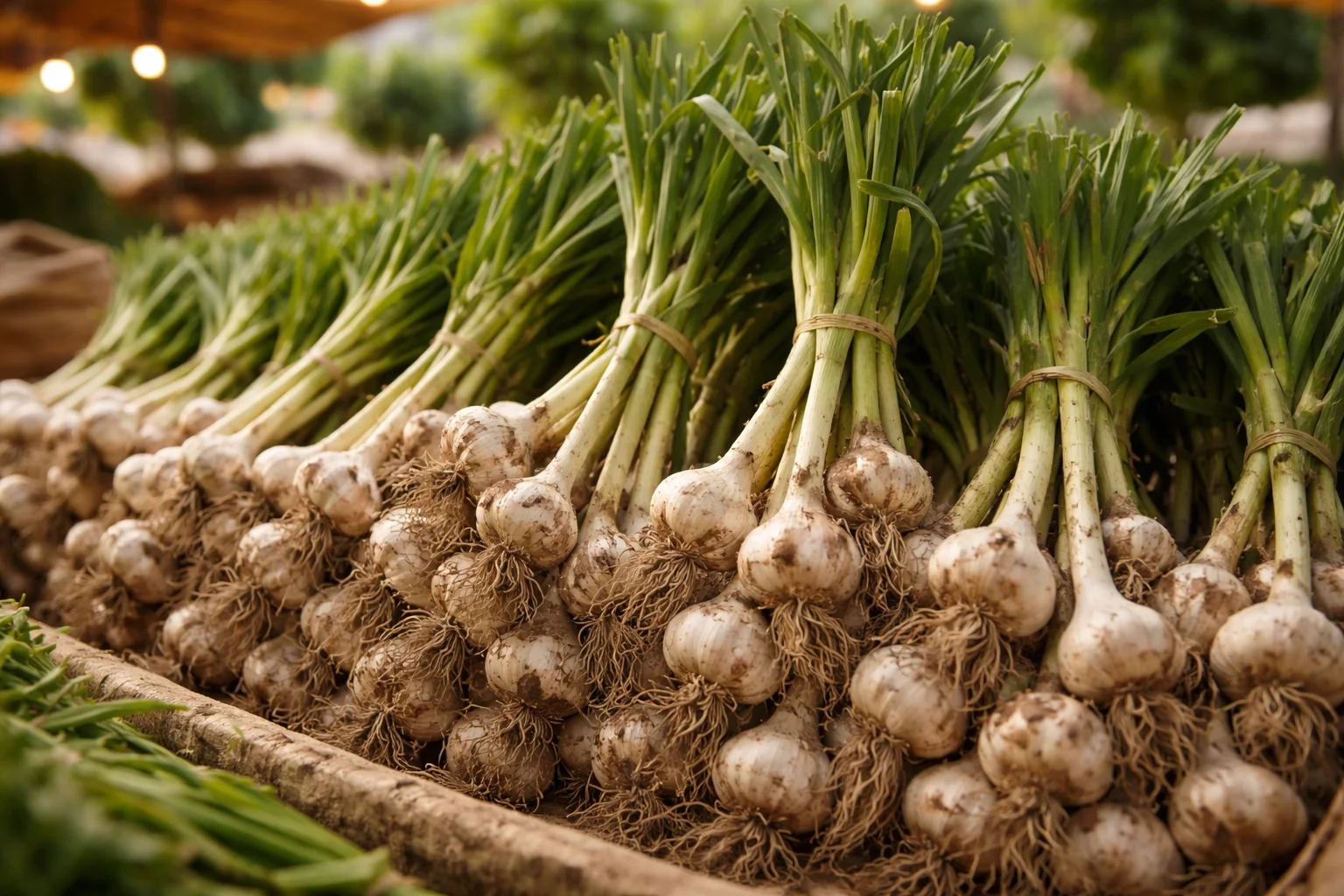
How to grow garlic in pots: The best method for success
Let me walk you through the simple method that has worked for me over and over. The whole goal is to give garlic three things: room for roots, steady moisture, and enough cold time to form a real bulb. Once you nail those basics, you are basically just waiting and watering.
My step by step method (the no drama version)
- Pick your cloves: Choose big, firm cloves. Bigger clove usually means a bigger head later.
- Plant at the right depth: Pointy side up, about 2 inches deep. Cover and pat the soil lightly.
- Spacing matters: Give each clove about 4 to 6 inches of space so bulbs can size up.
- Water right after planting: Not a flood, just a good soak to settle the soil.
- Mulch if it is cold: A little straw or shredded leaves helps keep the pot from swinging wildly in temperature.
- Sunlight: Aim for 6 or more hours of sun. More sun usually means better bulbs.
Garlic in containers also likes consistency. I check moisture with my finger. If the top inch feels dry, I water. If it is still damp, I leave it alone. Overwatering is the fastest way to turn your garlic dreams into a sad, mushy mess.
One more real life tip: if you are planting in fall, do not panic when you see green shoots before winter hits. That is normal. The plant is just getting established, and it will slow down when it gets cold.
And because I am me, I always start thinking about dinner while I plant. If you want a garlic heavy meal that tastes like a cozy reward for your future self, my weeknight favorite is easy spinach garlic meatballs. It is exactly the kind of dish that makes you excited to grow your own.
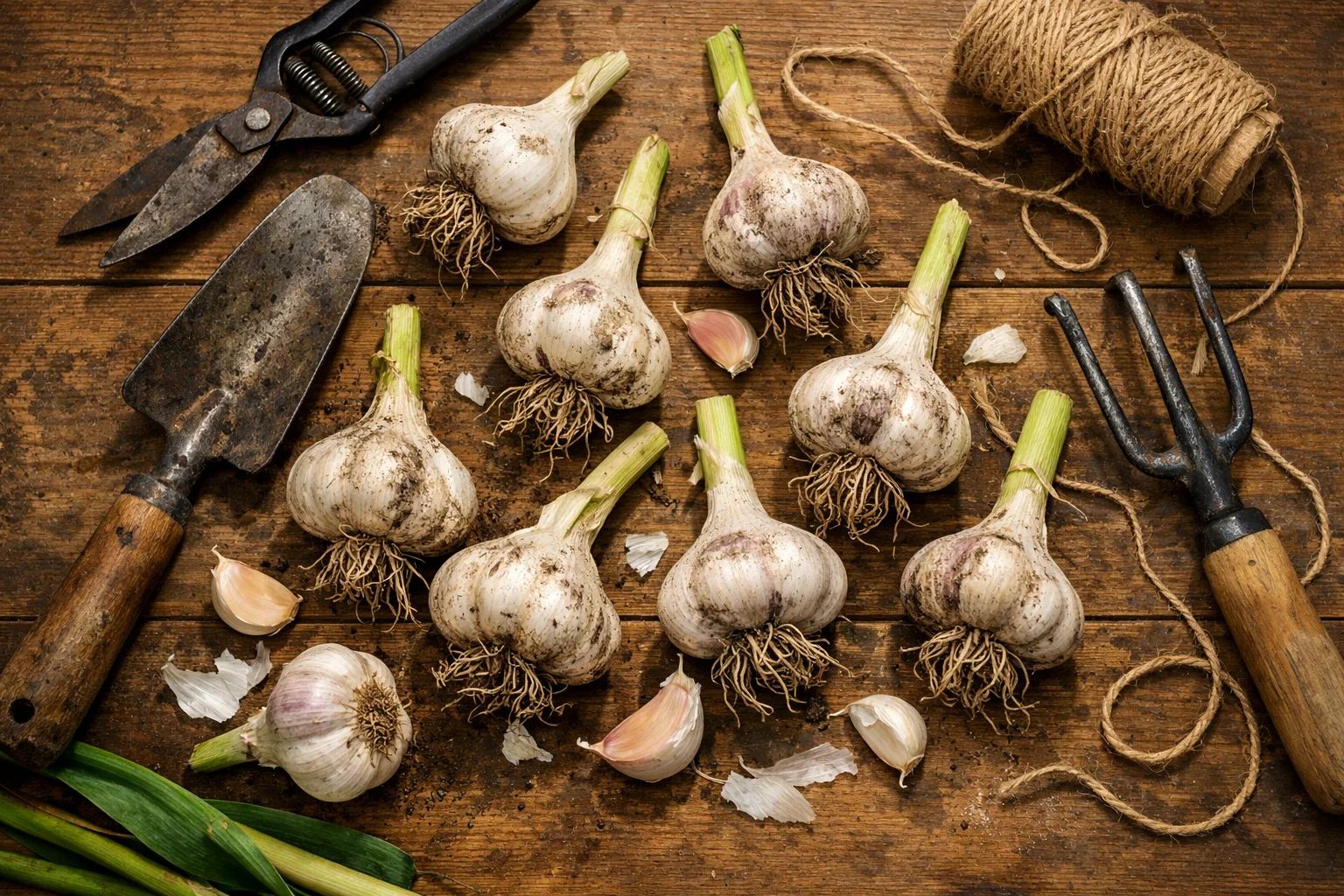
Garlic growing basics for containers
Before we get too deep into it, here are the basics that make growing garlic in containers feel easy instead of confusing. Think of this as your quick cheat sheet, the stuff you want to get right from the start.
Timing is a big deal. In most places, you will plant garlic in fall for a summer harvest. Garlic needs a cold stretch to form bulbs. If you live somewhere with mild winters, you can still do it, but you may need to chill the cloves in the fridge for a few weeks before planting. Just keep them away from apples or bananas, since fruit gives off gases that can mess with sprouting.
Soil should be fluffy and well draining. I like potting mix with a little compost mixed in. Avoid heavy garden soil in a pot because it compacts, holds too much water, and makes it hard for bulbs to expand.
Feeding is simple. Garlic is not a diva, but it appreciates some nutrition. I add compost at planting time, then in spring I give a light boost with an all purpose organic fertilizer. Too much nitrogen late in the game can push leaves instead of bulbs, so I ease off once the plant looks tall and established.
Watering changes through the seasons. In winter you will water less. In spring when growth picks up, you will water more. As harvest gets close, you will water less again so the skins can dry and tighten.
“I thought garlic would be hard in pots, but it was honestly easier than tomatoes. I planted six cloves on my balcony and harvested enough to last me months. Now I save the biggest heads to replant every fall.”
Also, this is a random but helpful kitchen note: once you start growing garlic, you will be cooking more potato and pasta type comfort meals because garlic just belongs there. When I need something super satisfying, I make low carb garlic keto flatbread and load it up with whatever I have. Garlic on garlic, no shame.
Selecting a container for growing potted garlic
Your container choice matters more than people think, mostly because garlic grows underground and it hates soggy roots. The pot is basically the garlic’s entire world, so we want it to be a nice world.
What I look for in a pot
Depth: Go for at least 8 to 10 inches deep. Deeper is even better if you can manage it.
Width: Wide containers let you plant more cloves with proper spacing. A 12 inch wide pot can hold a few cloves comfortably.
Drainage holes: Non negotiable. If your pot has no drainage, your garlic will eventually rot.
Material: Plastic holds moisture longer, terracotta dries faster. Neither is wrong. Just adjust watering based on what you use.
If you are putting your pot on a balcony or patio, make sure it can handle winter weather in your area. In very cold climates, pots can freeze solid. Sometimes I just slide my garlic pot up against the house wall for a little extra protection, or wrap the pot with burlap if it gets brutal.
One more tiny detail that helps: raise the pot a little so drainage holes are not blocked. Pot feet, bricks, even a scrap of wood works.
And if you are wondering whether you can grow garlic in smaller containers, you can, but do not expect massive heads. You will still get tasty garlic, just smaller bulbs. I have done it in a pinch and still felt proud harvesting it.
The best type of garlic for planting in pots
This part is fun because you get to choose what kind of garlic life you want. There are two main categories, and both work for growing garlic in containers. The best choice depends on your climate and what you like to cook.
Hardneck vs softneck (in plain language)
Hardneck garlic is great if you have real winters. It tends to have fewer cloves per head, but the flavor is often stronger and more complex. It also grows garlic scapes, those curly green stems you can cook like a veggie. Scapes are honestly a bonus snack. Saute them with butter and a pinch of salt and you will feel like a genius.
Softneck garlic is what you usually see at the grocery store. It stores longer and is often a good choice for mild winter areas. If you want garlic that lasts and lasts in your pantry, softneck is the dependable friend.
A quick warning I wish someone told me earlier: grocery store garlic is unpredictable. Sometimes it is treated to prevent sprouting, and sometimes it carries disease. For the best results, buy “seed garlic” from a trusted nursery or seed supplier. Yes, it costs more, but the difference shows up when you harvest.
If you only plant one type, pick what matches your weather. Cold winters, go hardneck. Mild winters, go softneck. If you cannot decide, try both in the same container and see what wins in your space.
And just because we are talking flavor, homegrown garlic has this sweet heat that makes simple pasta feel fancy. I love it in creamy things, in roasted things, in everything.
Managing pests and disease
The good news is garlic is pretty tough. The even better news is that in containers you can avoid a lot of soil problems that show up in garden beds. Still, a few issues can pop up, so here is what I actually watch for.
Fungus gnats can show up if the soil stays too wet. You will notice tiny flies hovering around the pot. Let the top inch dry out between watering and make sure drainage is working.
Rot is the biggest risk in containers. If your cloves sit in soggy soil, they can rot before they even get going. Use well draining potting mix, do not plant too deep, and avoid watering when the soil already feels wet.
Aphids sometimes gather on the leaves, especially in spring. I usually blast them off with water from the hose or wipe them with a damp paper towel. If it is bad, insecticidal soap works, but I try the simple stuff first.
Rust looks like orange spots on leaves. It is more common in humid conditions. Give your plants space for airflow, do not soak the leaves when watering, and remove badly affected leaves.
My personal rule is: if the plant looks healthy overall, do not overreact. Garlic does not need constant fussing. It needs the basics done well, then time.
Common Questions
Do I really need full sun for container garlic?
More sun gives you bigger bulbs. If you can get 6 to 8 hours, perfect. If you only get 4 to 5, you can still grow it, but expect smaller heads.
How many cloves can I plant in one pot?
Use the spacing rule: 4 to 6 inches apart. In a 12 inch pot, that is usually 3 to 5 cloves depending on shape and how wide it is.
When do I harvest?
When the bottom leaves turn brown but there are still a few green leaves on top. That usually means the bulb is formed and the skins are developing.
Can I grow garlic indoors?
You can grow greens indoors, but forming full bulbs indoors is hard without strong grow lights and cool temps. A sunny outdoor spot is much easier.
What do I do with garlic scapes?
Chop and saute them, blend into pesto, or toss them into stir fries. They taste like a gentle garlic green bean situation.
A cozy little pep talk before you plant
If you take anything from my Beginner’s Guide to Growing Garlic at Home in Containers, let it be this: pick a pot with drainage, plant good cloves, and do not overwater. Once you get the hang of growing garlic in containers, you will start plotting how many pots you can squeeze into your space next season. For extra tips from a gardening source I trust, check out How to Grow Garlic in Pots: The Best Method and Tips for Success. And if you are the kind of person who loves having a full guide on hand, this one is worth a look too: The Complete Beginner’s Guide to Growing Organic Garlic at Home …. Now go plant a few cloves, then come back later and cook something delicious to celebrate your future harvest.