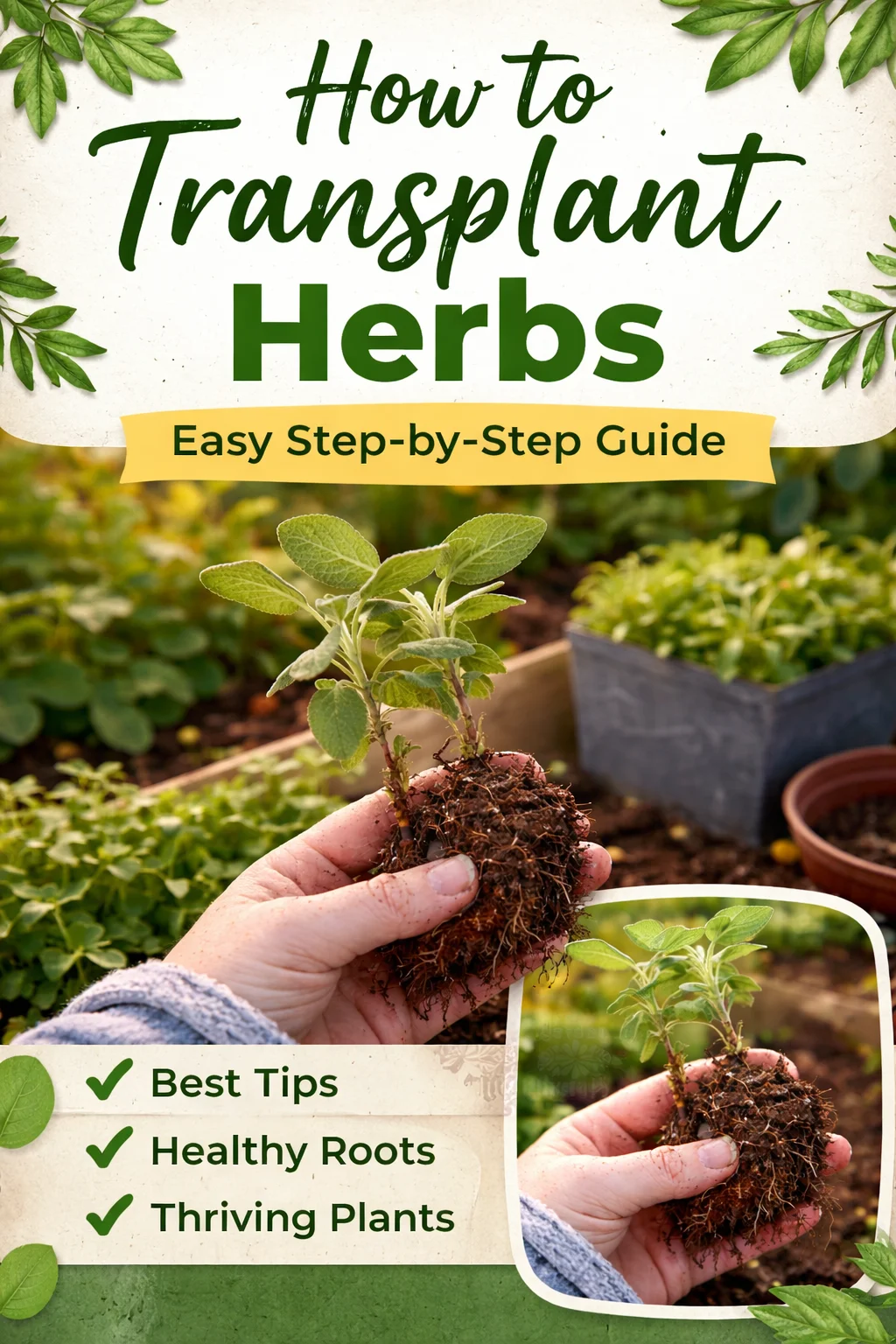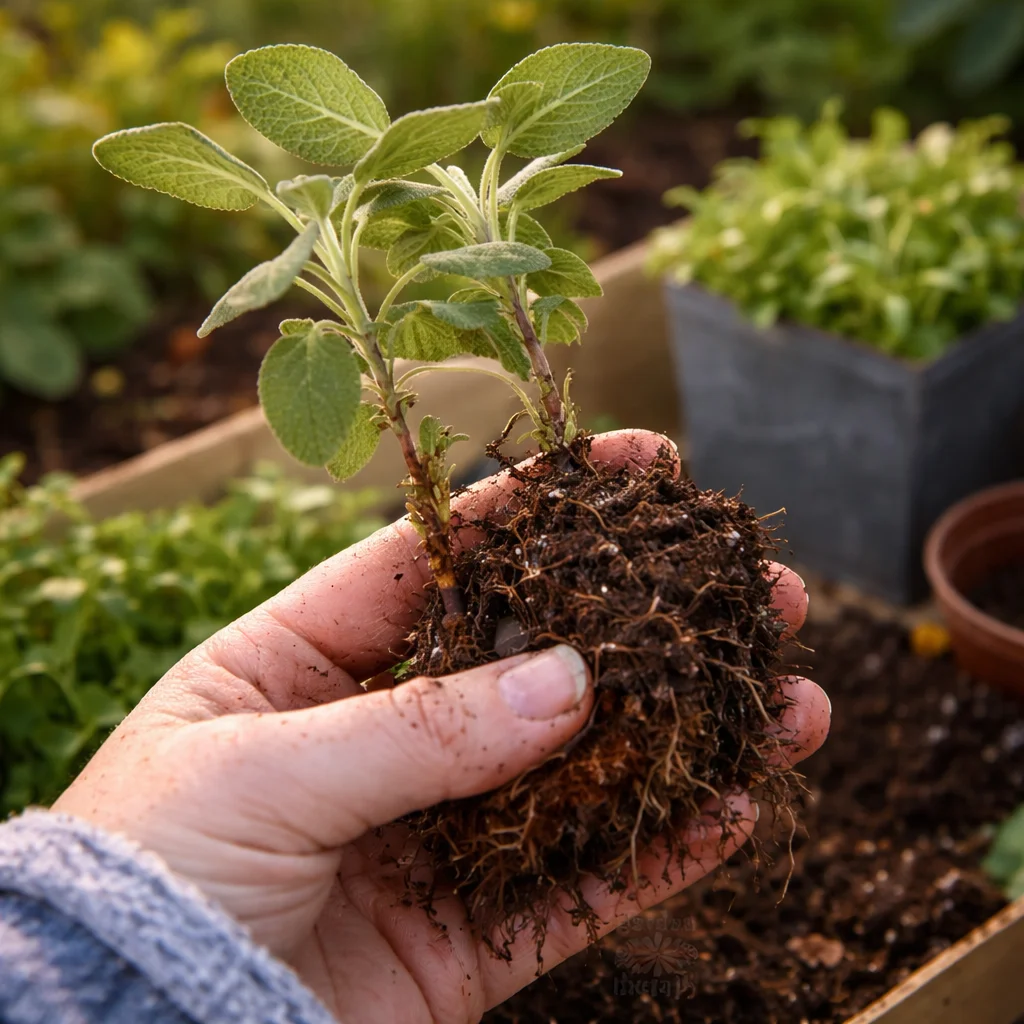
Best Soil for Growing Herbs and Vegetables in Pots sounds like one of those simple things that should just work, right up until your basil turns pale and your parsley looks like it gave up. I have absolutely been there, crouched on my patio with a sad little pot, wondering if I overwatered, underwatered, or basically offended the plant. The good news is container gardening gets so much easier once your soil makes sense for the job. And once you get the hang of it, it feels a lot like cooking: pick good ingredients, balance them, then don’t mess with it too much. Let me walk you through what I actually do, in plain language, so your herbs and veggies can thrive in pots without drama.
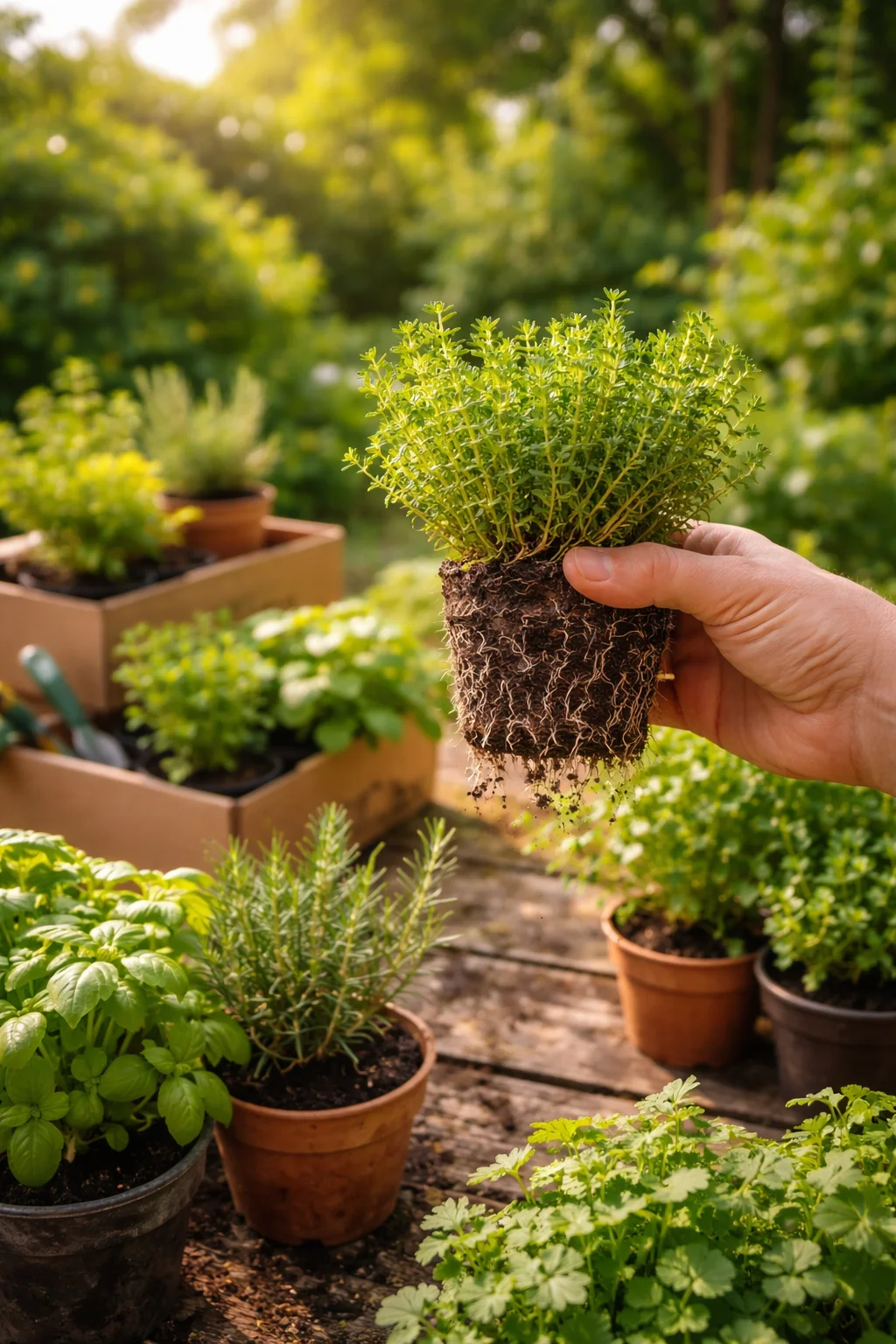
When to plant herbs in a container
Timing matters more in pots than people think, because containers heat up and cool down faster than garden beds. That means your herbs can get stressed by cold nights or sudden hot afternoons way quicker.
For most herbs, I follow this simple rule: plant after your last frost date, when nights are mostly staying above 50°F. Basil is the biggest diva here. It really hates cold and will sulk if you rush it.
If you want a head start, you can plant “cool friendly” herbs earlier, especially if you can move the pot closer to the house or into a garage overnight. Think parsley, cilantro, chives, and mint.
I also pay attention to what I plan to cook. If I know I’m heading into a cozy soup season, I’ll plant parsley and thyme earlier. It’s the same way I crave comfort bowls like this Italian penicillin soup, and suddenly I want fresh herbs right outside my door.
Quick timing tips I actually use:
- Spring: Start with parsley, cilantro, chives, thyme.
- Late spring into summer: Basil, oregano, rosemary (once it’s warm).
- Late summer: Another round of fast growers like cilantro if heat eases up.
- Fall: In mild areas, keep hardy herbs going and protect pots on cold nights.
How to plant herbs in a container
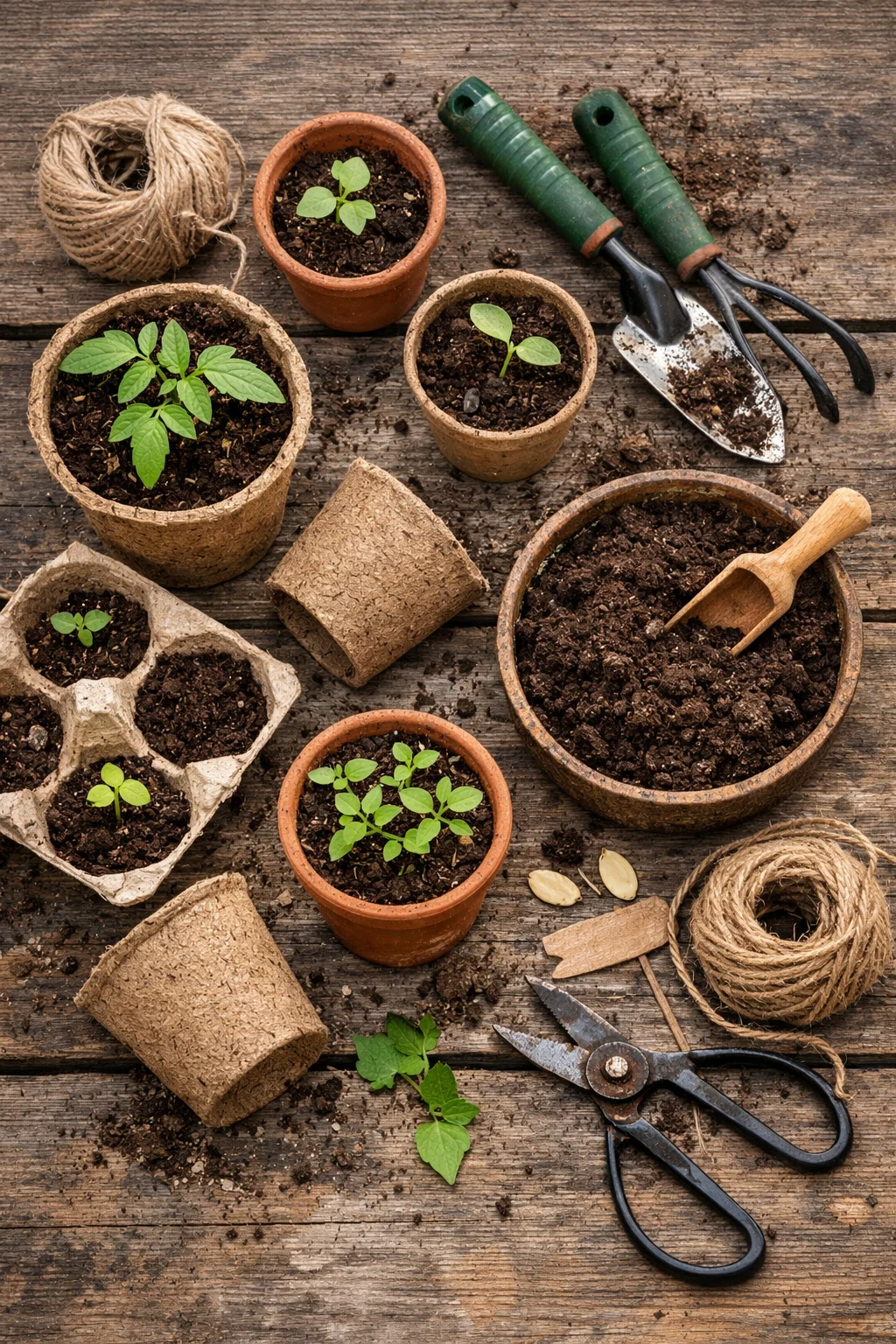
Planting herbs in pots is honestly more about the container setup than having a magical green thumb. The container is your “kitchen tool,” and the soil is your “ingredient.” If either one is off, the whole thing feels harder than it needs to.
Pick the right pot size and make sure it drains
I know cute little pots are tempting, but most herbs do better with room for roots. A good starting point is a pot that’s 8 to 12 inches wide for a single herb. If you’re mixing a few herbs, go bigger, like a 14 to 18 inch planter.
And please, make sure there’s a drainage hole. If there’s no hole, it’s basically a bathtub for your plant roots.
Planting steps that keep it simple
Here’s my low stress method:
- Add a little soil to the bottom of the pot.
- Take the herb out of its nursery cup and gently loosen the roots if they’re circling.
- Set it in so the top of the root ball sits about an inch below the rim.
- Fill around it with soil and press lightly, not packed tight.
- Water slowly until you see water come out the bottom.
One more thing people skip: leave a little space at the top of the pot. If the soil is filled to the very rim, watering becomes a mess and everything spills over the sides.
And if you’re planting veggies in pots too, give them their own space. Herbs can be chill roommates, but tomatoes and peppers are more like the loud neighbors who take over everything.
When my herbs are happy, I end up cooking more veggie heavy dinners, like sticky honey garlic cauliflower with chopped herbs on top. It’s such a small thing, but it makes dinner feel restaurant nice.
Best soil for container herbs
This is the part that changes everything. Best Soil for Growing Herbs and Vegetables in Pots is not scooping dirt from your yard into a pot. Yard soil gets heavy, it compacts, and it can bring pests along for the ride. In containers, you want soil that holds moisture but still drains well and stays fluffy.
What I look for in a potting mix
I buy a quality potting mix labeled for containers, then I check the bag for clues that it will actually work. You want something that feels light and has a mix of materials, not just one dense thing.
My container soil checklist:
- Light and airy texture so roots can breathe
- Good drainage so water does not sit and sour
- Some compost for gentle nutrients
- Moisture balance so it does not dry out in a day
If the mix seems too dense, I’ll blend in a little perlite for extra airflow. If it seems too “thin,” I add compost. Not a mountain, just enough to enrich it.
Also, don’t reuse last season’s soil without refreshing it. Old pot soil can get tired and compacted. I’ll mix in compost and a bit of fresh potting mix to bring it back to life.
Here’s a handy little reference I keep in mind when shopping or mixing. It’s not fancy, just practical.
“I switched to a lighter potting mix with compost and my basil finally stopped turning yellow. I thought I was bad at herbs, but it was the soil the whole time.”
When your soil is right, everything you cook feels more vibrant. Even basic roasted veggies taste better with fresh herbs, like when you do a pan of roots and remember tricks like boiling root vegetables before roasting so they come out tender and caramelized.
Bottom line: Best Soil for Growing Herbs and Vegetables in Pots should be a quality container potting mix that drains well, stays fluffy, and has some nutrition. It’s the foundation, just like a good broth in soup.
Watering requirements for container herbs
Watering is where most of us go off track, because pots dry out faster than you think, but they can also stay soggy if the soil is too heavy or the pot can’t drain.
My easiest rule is: check the soil with your finger. If the top inch feels dry, water. If it still feels damp, wait. I know it sounds almost too simple, but it saves plants.
A few watering tips that have helped me a lot:
- Water slowly until it runs out the bottom. A quick splash barely reaches roots.
- Morning is best so plants have water before the day heats up.
- Heat waves need extra checks, sometimes daily for small pots.
- Skip misting as your main watering. Roots need a real drink.
If your herb leaves look droopy, don’t panic and drown them immediately. Check the soil first. Droop can mean too dry, but it can also mean the roots are stressed from staying wet too long.
Also, matching the pot to the plant helps. Basil and mint like more consistent moisture. Rosemary and thyme prefer drying out a bit between waterings. It’s kind of like how some people love a brothy soup and others want it thick and cozy.
Common problems and solutions for growing herbs in containers
This is the part where I’ll save you some headaches, because most container herb issues are super common and totally fixable.
Problem: Yellow leaves
Usually from overwatering or soil that stays soggy. Make sure your pot drains, and consider switching to a lighter mix. If you’re chasing Best Soil for Growing Herbs and Vegetables in Pots, this is one of the biggest clues your soil needs adjusting.
Problem: Herbs grow, then stall
Often they’re root bound or hungry. If roots are circling the pot, move up a size. Add compost or a gentle organic fertilizer, especially for heavy producers like basil.
Problem: Wilting in the afternoon
Some herbs wilt in peak sun even when they’re fine. Check again in the evening. If they bounce back, they might just need a little shade in the hottest weeks, or a bigger pot that holds moisture longer.
Problem: Tiny bugs or sticky leaves
Aphids show up sometimes. I rinse leaves with water and use insecticidal soap if needed. Also check the underside of leaves, that’s their favorite hiding spot.
Problem: Mold on the soil surface
Usually from watering too often or poor airflow. Let the top dry a bit more between waterings and make sure pots are not packed too tightly together.
And one small habit that helps everything: pinch your herbs. Snip basil above a leaf node so it branches out. Herbs that get harvested regularly often grow better, which is my favorite kind of logic.
Common Questions
Do I need “herb soil” or just potting mix?
A good container potting mix works great. If you want, mix in a little compost. The goal is light, draining soil, not a special label.
Can I grow herbs and vegetables in the same pot?
Sometimes, yes. Pair smaller herbs with larger veggies only if the pot is big enough. Avoid mixing aggressive growers like mint with anything else.
How often should I fertilize container herbs?
Lightly, every few weeks during active growth is usually enough. Too much fertilizer can make herbs taste less flavorful.
Why does my basil taste bitter?
It may be flowering, stressed by heat, or not getting consistent water. Pinch off flower buds and keep the plant evenly watered.
Can I reuse potting soil next season?
Yes, but refresh it with compost and a bit of new potting mix. Toss soil that had pests or disease issues.
A quick send off before you get your hands dirty
If you remember nothing else, remember this: Best Soil for Growing Herbs and Vegetables in Pots is light, well draining, and gently nutritious, and it makes every other step so much easier. Plant at the right time, use containers that drain, and water based on the soil feel, not your calendar. If you want extra container growing tips from a trusted source, I like Growing Herbs in Containers | RHS Advice for practical guidance, and The Best Soil for Herbs—Grow a Fruitful Herb Garden is a really helpful read when you’re choosing mixes and amendments. Now go plant something you’ll actually cook with this week, then come back and tell me what you made with your first little handful of homegrown herbs.