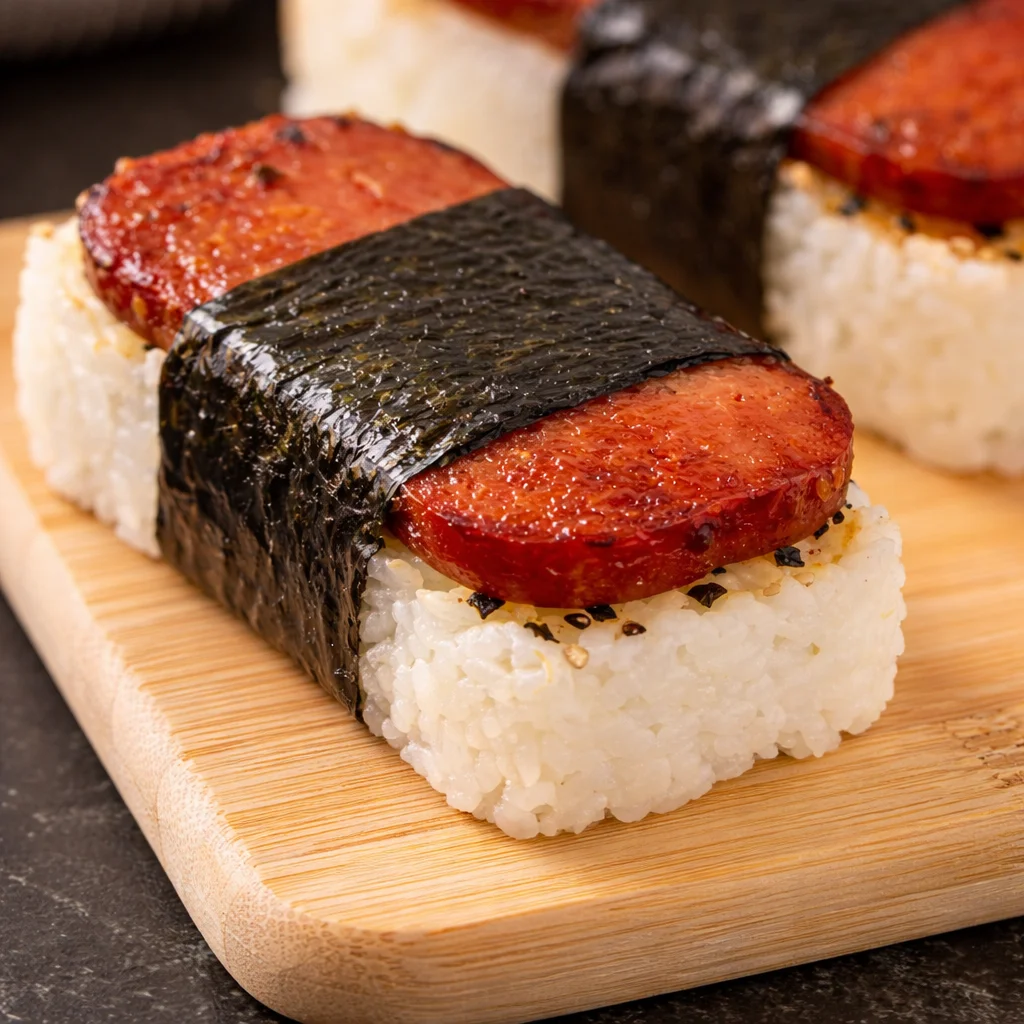
spam musubi is one of those snacks I crave the second I’m hungry but don’t want a whole big meal. Maybe you’ve had it on a trip to Hawaii, or maybe you’ve only seen it online and wondered why everyone looks so happy eating a block of rice with Spam on top. I get it, it sounds odd until you taste it. The mix of warm rice, salty sweet glaze, and that little crunchy edge on the Spam is just plain comforting. And the best part is you can make it at home without special skills.
History
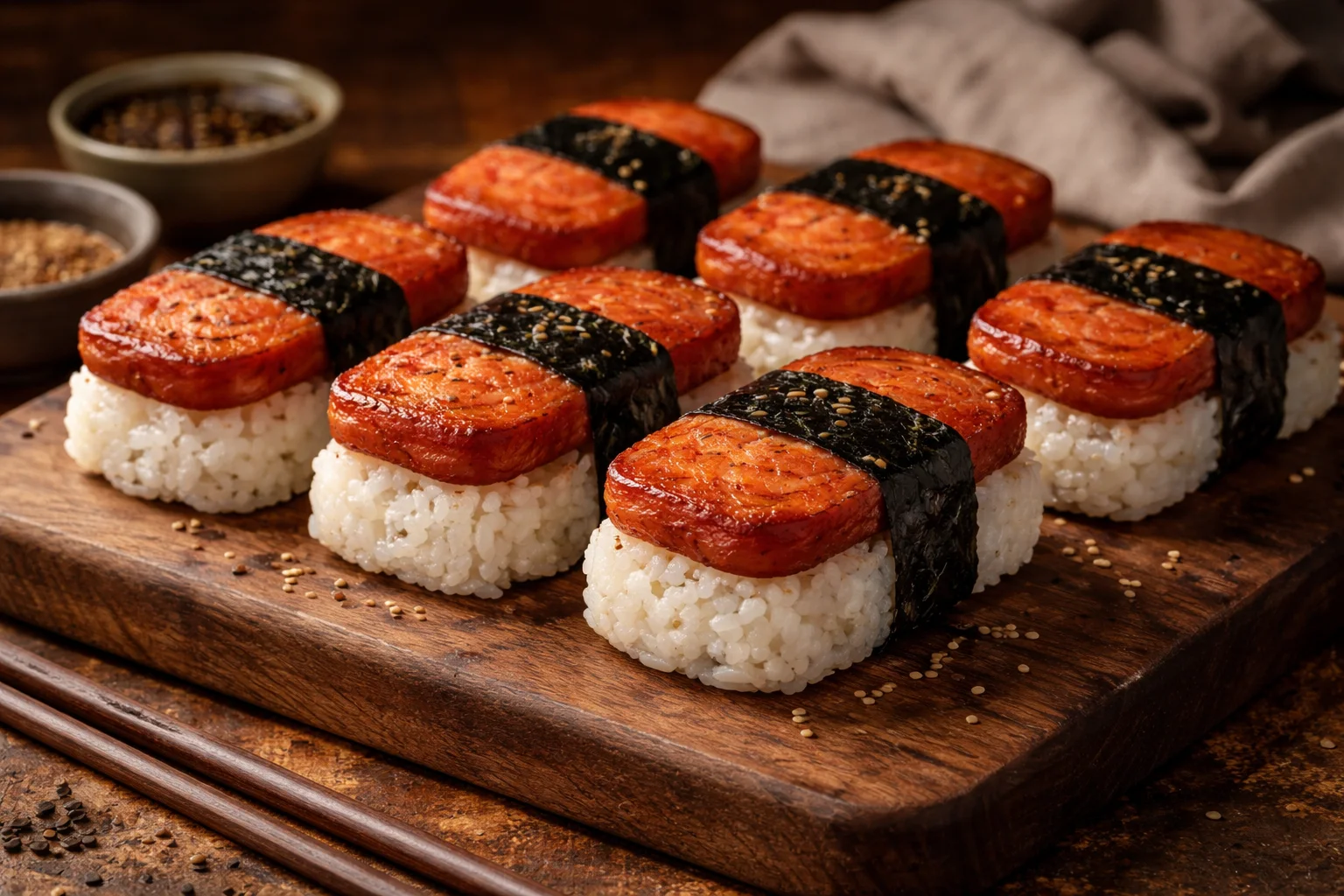
I didn’t grow up in Hawaii, so I met spam musubi later in life, the way a lot of people do, through travel photos and convenience store food videos. But once I tried it, I had to know where it came from. The quick version is that it’s a Hawaii local favorite that blends a few influences: Japanese style rice snacks, American pantry staples, and island practicality.
Spam became common in Hawaii during World War II when fresh meat was harder to come by. People got creative, and honestly, they made something iconic. Musubi is a Japanese word often used for rice balls or pressed rice snacks, and in Hawaii it evolved into this easy, portable bite with a slice of seared Spam and a strip of nori to hold it together.
It’s also not fancy food, and that’s kind of why it’s perfect. You’ll find it at local plate lunch spots, corner stores, and family parties. It’s a snack, a lunch, a road trip buddy, and a late night bite all at once.
If you’re into the broader story of island comfort foods, I usually send friends to my own little roundup here: Hawaiian comfort food guide. It helps put musubi in context with everything else people love to eat there.
Preparation
This is the part where I tell you not to overthink it. The first time I made spam musubi, I assumed I needed a special mold and secret sauce and perfect sushi rice technique. Nope. You can keep it simple and still get that true convenience store vibe at home.
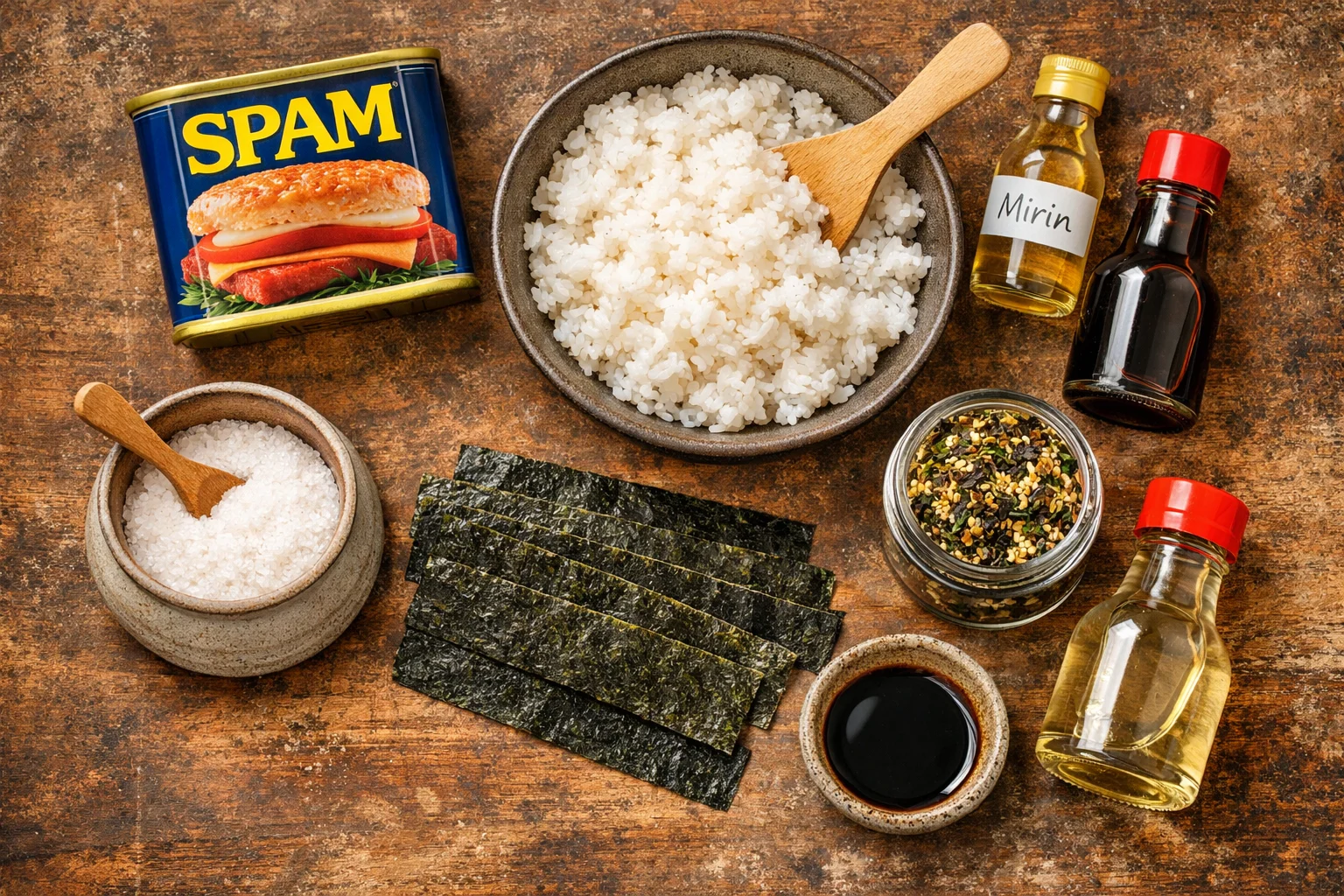
What you will need
- Spam, classic is great, low sodium works too
- Rice, short grain or medium grain is easiest, but use what you’ve got
- Nori sheets, cut into strips
- Soy sauce
- Sugar (or honey, if that’s your thing)
- Optional: mirin, oyster sauce, or a tiny splash of rice vinegar
- Optional: furikake, sesame seeds, or a little scrambled egg
About the rice: I like slightly sticky rice because it holds together. Rinse it a couple times until the water looks less cloudy, then cook it like normal. When it’s done, let it sit covered for 10 minutes. That little rest makes it easier to shape.
About the Spam: Slice it into about 8 to 10 pieces, depending on how thick you like it. I go medium thick, because thin slices cook fast but can feel skimpy. Then pan sear until the edges are browned and a little crisp.
The quick glaze: In the same pan, I stir together a few spoonfuls of soy sauce and a spoonful of sugar. Let it bubble for a minute, then toss the Spam slices in it. You want them glossy, not drowning. If it reduces too far, add a tiny splash of water.
How I assemble it without stress
If you have a musubi mold, use it. If you don’t, the Spam can itself is the classic hack. Wash the empty can well, then line it with plastic wrap so the rice pops out easily.
- Press rice into a rectangle, not too tight but firm enough to hold.
- Lay a glazed Spam slice on top.
- Wrap a strip of nori around the middle like a belt.
- Seal the nori edge with a tiny dab of water.
Small tip that matters: Keep a little bowl of water nearby for your hands. Wet hands mean the rice won’t glue itself to your fingers. Also, don’t assemble while the rice is blazing hot. Warm is perfect.
When I’m making a batch for friends, I set everything out like a tiny assembly line. Rice on the left, Spam in the middle, nori on the right. It goes fast and it feels weirdly relaxing.
If you want more everyday rice tips, I keep a simple page on it here: how to cook sticky rice for snacks. It’s not fancy, just the stuff that makes it work.
“I always thought spam musubi looked too complicated, but your steps made it easy. The glaze is the game changer, my kids ate three each.”
Further reading
If you’re the kind of person who likes to read a bit while the rice cooks, I’m with you. spam musubi has a lot of fun little details depending on who you ask. Some people insist it must be pressed tight. Some people like it fluffy. Some people want extra sauce soaking into the rice. All valid.
I also think it helps to learn the basics of nori, since the quality and thickness can change how it wraps. If your nori keeps cracking, it might be old, or it might be too thick and dry. You can wave it over a warm burner for a couple seconds to make it more flexible. Just don’t burn it, because that smell will stick around.
And if you’re packing it for lunch, wrap each piece in plastic wrap so it stays neat. Nori can get chewy in the fridge, so if you’re picky about texture, keep the nori separate and wrap right before eating. It’s not traditional, but it’s practical.
I also have a quick note on snacks that travel well here: easy packed lunch snacks. spam musubi is basically the king of portable food, so it fits right in.
Related dishes
If you like spam musubi, you’ll probably like a bunch of other Hawaii style or Hawaii inspired bites. They scratch the same itch: salty, comforting, and super snackable.
Here are a few I’d put in the same “easy joy” category:
Onigiri: Japanese rice balls, often stuffed with tuna mayo or salted salmon. Similar vibe, different shape.
Loco moco: Rice, burger patty, gravy, egg. Not a snack, but it has that same hearty comfort factor.
Fried rice with Spam: If you bought Spam for musubi and have extra, this is the obvious next move.
Teriyaki chicken plate: Sweet savory glaze plus rice, it just works.
The nice thing is that once you’re cooking rice and making a simple soy based glaze, a lot of these meals suddenly feel doable on a regular weeknight.
Popular variations
Even though the classic is classic for a reason, I love that spam musubi can be customized without losing what makes it special. If you’re making it at home, you get to play around a little.
My favorite tweaks
Egg layer: A thin omelet or scrambled egg pressed into the rice adds softness and makes it feel extra filling.
Furikake in the rice: This is the shortcut to big flavor. It adds saltiness, a little sweetness, and that seaweed sesame vibe.
Spicy mayo: A tiny swipe under the Spam is so good. Not traditional, but honestly, delicious.
Different Spam flavors: Teriyaki Spam is sweet and easy. Jalapeno Spam is fun if you want heat.
Sauce options: Some days I do soy and sugar. Other days I add a little mirin. If you like deeper flavor, a drop of sesame oil at the end can be nice, but go light.
The main thing is not to make it soggy. If you add wet toppings, keep them minimal so the nori still holds everything together.
Common Questions
Do I need a musubi mold?
Nope. The Spam can trick works, or you can shape the rice with your hands into a rectangle. It might look a little rustic, but it tastes the same.
What rice is best for spam musubi?
Short grain is easiest because it’s naturally stickier, but medium grain works too. If your rice is falling apart, it may be too dry or not rested long enough after cooking.
How do I keep the nori from getting chewy?
If you’re eating right away, you’re fine. For meal prep, wrap the rice and Spam first, then add nori closer to eating time, or accept the chewy nori vibe as part of the experience.
Can I make spam musubi ahead of time?
Yes, but it’s best within a day. Keep it wrapped and refrigerated, then let it come closer to room temp before eating so the rice softens again.
Is the glaze necessary?
I think it’s what turns it from “okay” to “wow.” Even a simple soy sauce and sugar glaze makes spam musubi taste like the real deal.
A friendly send off before you cook
If you’ve been craving spam musubi but thought it was too much work, I hope this made it feel totally doable. Once you try it, you’ll see why it’s such a beloved Hawaii snack, and why people get oddly passionate about their favorite version. If you want another reference point, check out Spam Musubi Recipe – Allrecipes for a classic approach, or skim Spam musubi – Wikipedia for the background story, or read spam musubi! – Two Red Bowls for a cozy home cook perspective. Now go make a batch, eat one while it’s warm, and save a couple for later because you’ll want them.
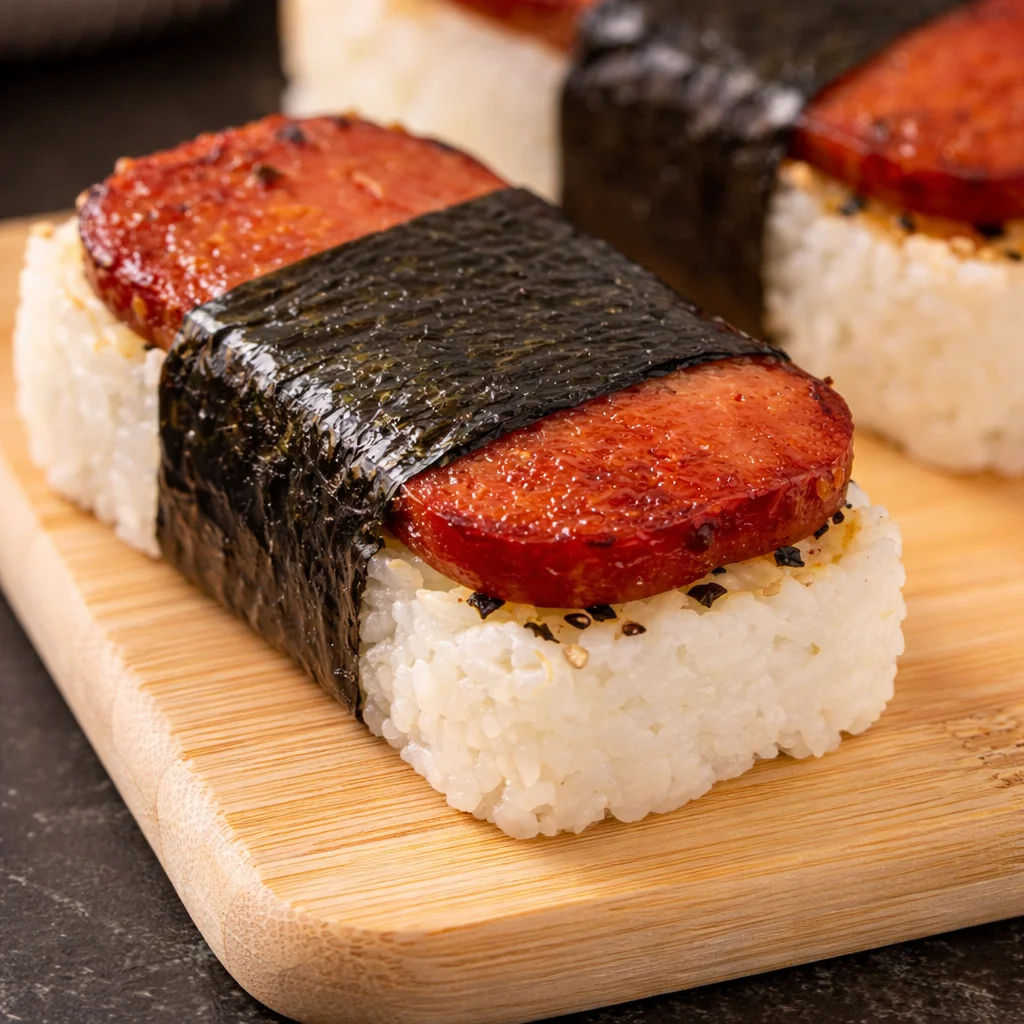
Spam Musubi
Ingredients
Method
- Slice the Spam into 8 to 10 pieces, medium thickness preferred.
- Pan sear Spam slices until the edges are browned and a little crisp.
- In the same pan, mix soy sauce and sugar, let bubble for 1 minute, then coat Spam slices until glossy.
- Cook rice according to package instructions, let sit covered for 10 minutes after cooking.
- If available, use a musubi mold; otherwise, use an empty, washed Spam can lined with plastic wrap.
- Press rice into the mold to form a rectangle, slightly firm.
- Place a glazed Spam slice on top of the rice.
- Wrap a strip of nori around the middle and seal the edge with a dab of water.
- Keep a bowl of water nearby to moisten hands while shaping rice.