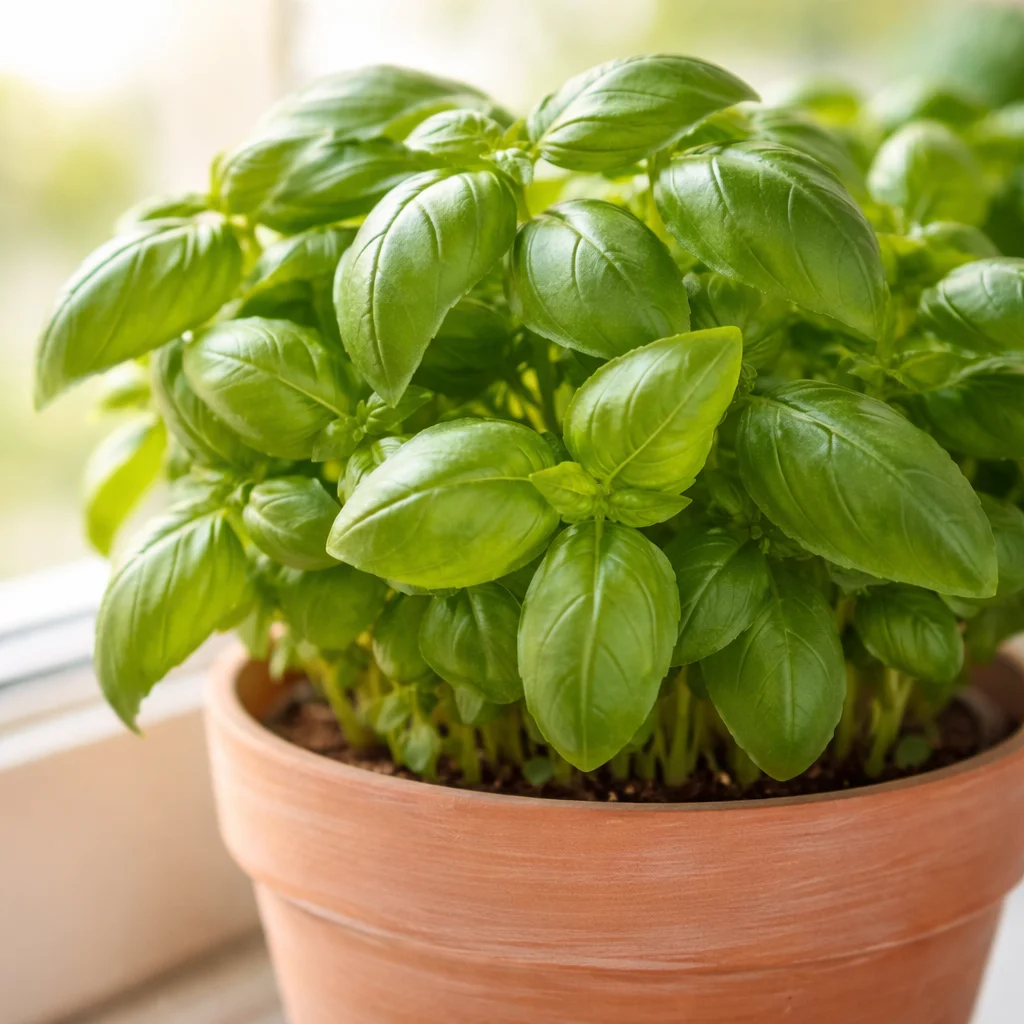
Step-by-Step Guide to Growing Basil in Pots for Beginners is basically what I wish someone handed me the first time I bought a cute little basil plant and accidentally loved it to death in three days. You know the situation. You bring basil home with big plans for pasta night, then it starts drooping like it is offended by your kitchen lighting. The good news is basil is not picky once you get the basics right. And once you have a healthy pot going, you will feel like the kind of person who always has fresh herbs on hand. Let me walk you through it, in plain language, like we are chatting at the counter while something yummy simmers.
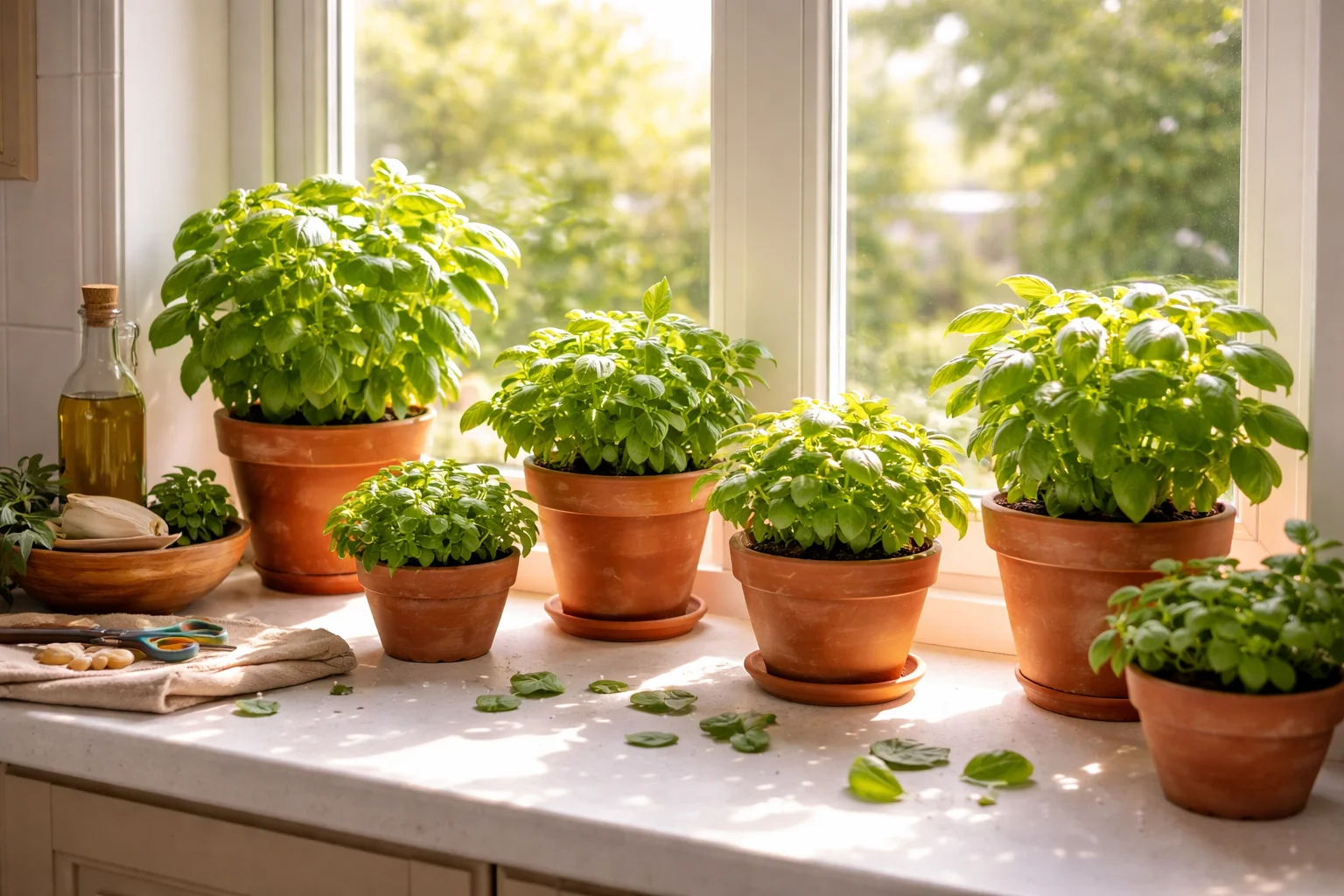
Benefits of Growing Herbs Indoors
I started growing herbs indoors for one selfish reason: I was tired of paying for those plastic clamshells of basil that turn black in the fridge before I even use them. But once you get the hang of Easy Steps to Grow Basil in Pots: A Beginner’s Guide, it turns into this tiny daily joy. You see new leaves, you pinch a little for dinner, and your kitchen smells like you actually have your life together.
Here is what I love most about indoor herbs, especially basil:
Fresh flavor on demand is the big one. Basil straight from the plant is sweeter and brighter than store bought bunches.
Less waste. You harvest what you need, and the rest stays alive and happy.
It makes cooking easier. A few torn basil leaves can save a boring meal. I do this all the time with soups, and it is especially cozy with something like chicken tortellini soup when you want that fresh, herby finish.
It is beginner friendly. Basil gives quick results when it is getting enough light, and that keeps you motivated.
Also, indoor herb pots just make a space feel warmer, like a lived in kitchen instead of a room where you only reheat leftovers.
Essential Supplies for Indoor Herb Gardening
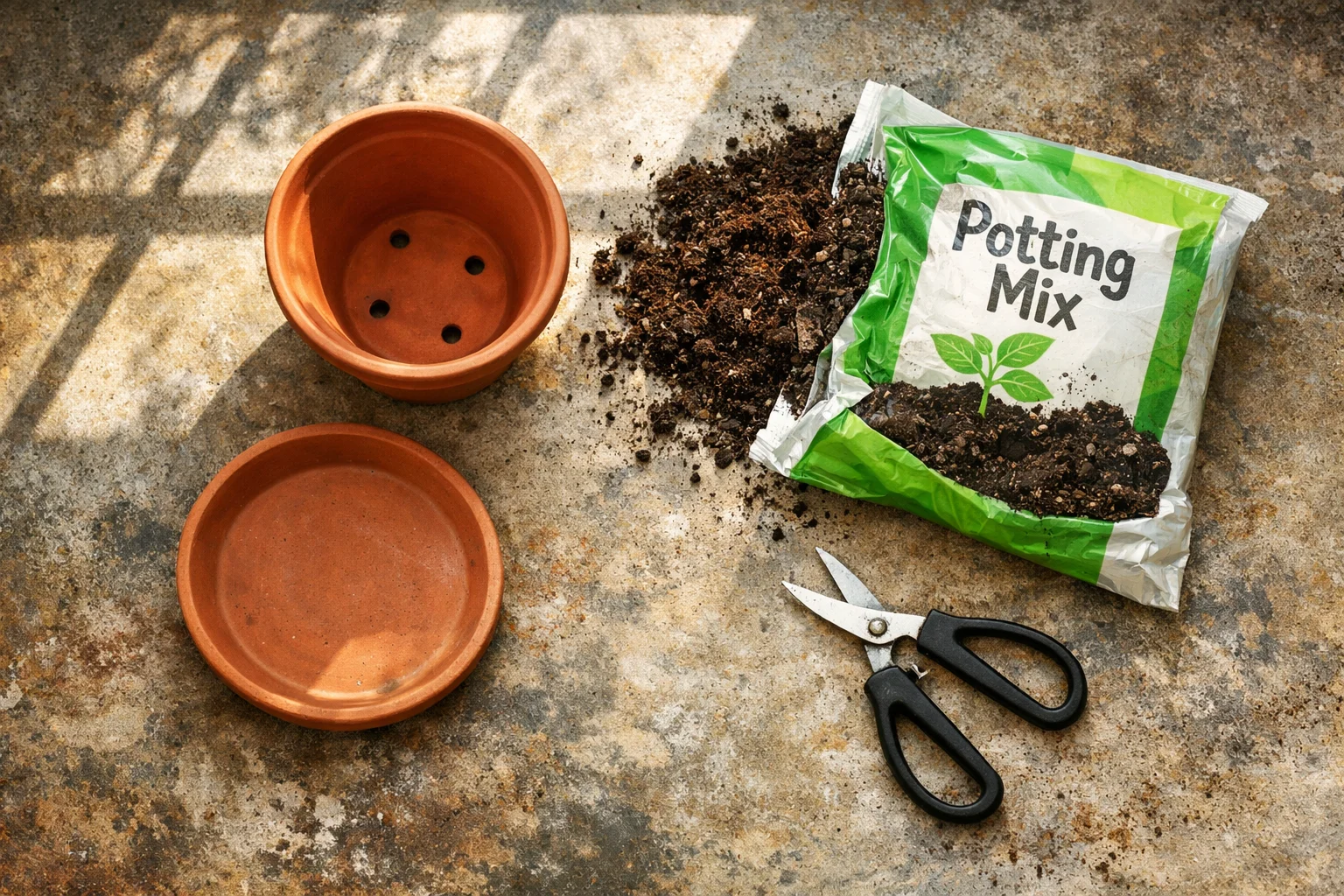
Let us keep this simple because you do not need a fancy setup. You just need a few basics that help basil grow strong roots and avoid that sad, floppy look.
What you will need to get started
- A pot with drainage holes: This is non negotiable. If water cannot escape, roots can rot fast.
- A saucer or tray: Put it under the pot to catch drips.
- Potting mix: Use regular potting soil, not garden dirt from outside. Potting mix stays lighter and drains better.
- A sunny window or a grow light: Basil loves light. If your window is dim, a small grow light makes a huge difference.
- Small snips or scissors: For clean harvesting and pinching.
Quick note on pot size, because this matters more than people think. If you are growing one basil plant, a pot around 6 to 8 inches wide is a comfortable starting point. If you are splitting a crowded supermarket basil pot into multiple plants, you might need a couple of pots.
And yes, supermarket basil can totally work, but it is often packed too tightly. That is why I like keeping this option bookmarked: Splitting and Repotting a Basil plant from the supermarket. It explains what is going on in those crowded pots and how to fix it without stressing the plant out.
One more thing I learned the hard way: do not use a decorative pot without drainage unless you keep the plant in a plastic nursery pot inside it. Basil likes consistent moisture, but it hates sitting in water.
Best Herbs to Grow Indoors
I know we are here for basil, but I always think it helps to build a tiny herb lineup. Basil is the star, but a couple of supporting herbs make weeknight cooking so much easier.
My favorites that actually behave indoors:
Basil, obviously. If you are following Easy Steps to Grow Basil in Pots: A Beginner’s Guide, start here because it is satisfying and useful.
Chives for eggs, baked potatoes, and anything creamy.
Parsley if you want something hardy that you can toss into soups and salads.
Mint if you have the space and a separate pot. Mint spreads like it is trying to take over the world.
Thyme if your kitchen gets lots of sun. It stays smaller and does not mind drier soil.
If you are choosing just one herb, go basil. It is the one that makes people say, wow, you grew that? And then you get to act casual about it, like it is no big deal.
“I killed every houseplant I ever owned, but basil was the first thing that actually worked for me. Once I moved it to a sunnier window and stopped overwatering, it took off. Now I pinch leaves every week for pasta and salads.”
Tips for Indoor Herb Garden Care
This is the part where most beginner basil plants get into trouble, so I am going to be super clear. Basil needs light, steady watering, and regular pinching. That is the whole vibe. If you remember those three things, you are already ahead.
Light and placement
Basil wants a lot of light. A bright south facing window is ideal, but east or west can work too. If the plant gets leggy with long stems and small leaves, that is usually a sign it wants more light. If your space is gloomy, a small grow light for 10 to 12 hours a day can turn things around fast.
Watering without drowning it
I stick my finger into the soil about an inch. If it feels dry, I water. If it still feels moist, I wait. Basil likes moisture, but constant soggy soil is how you end up with yellow leaves and a plant that looks permanently tired.
Water slowly until you see water drain out the bottom, then empty the saucer after about 15 minutes. That prevents the pot from sitting in a puddle.
Pinching and pruning for a bushier plant
This is my favorite part because it feels like you are helping. When your basil has about 6 to 8 leaves, start pinching the top set of leaves right above a pair of leaves. That encourages branching, which means more basil later.
Also, if you see a flower bud forming, pinch it off. Once basil flowers, it puts energy into flowering and the leaves can get a bit bitter.
And because I am a food blogger at heart, I have to say this: the more you cook from your plant, the better it grows. Basil loves being harvested in a sensible, regular way. Sometimes I plan dinner around it, like a garlicky pasta moment or even something fun and snacky where herbs make it feel fancy. I know it sounds random, but a fresh basil leaf chopped on top of savory bites is so good, and it would absolutely work with something like keto salami roll ups for easy snacking.
Harvesting and Using Your Indoor Herbs
Harvesting basil is where the reward really kicks in. The goal is to take enough to use, while also encouraging the plant to keep making new growth. If you follow Easy Steps to Grow Basil in Pots: A Beginner’s Guide and you pinch regularly, you will have a steady supply instead of one big harvest and then nothing.
How to harvest basil the right way
Instead of plucking random leaves off the bottom, snip a stem from the top, right above a pair of leaves. That spot will branch into two new stems. It is like getting bonus basil for the same cut.
A good rule: do not take more than about one third of the plant at once, especially if it is still small. If you need a lot for pesto, let it grow a bit fuller first.
Now for the fun part, how I actually use it in real life:
Quick pasta upgrade: Toss hot pasta with olive oil, garlic, salt, and a handful of torn basil. Add parmesan if you have it.
Tomato and basil everything: Sliced tomatoes, a little salt, basil, and a drizzle of olive oil. This is my lazy lunch when it is too hot to cook.
Freezing for later: Chop basil, pack it into an ice cube tray, cover with olive oil, freeze. Pop a cube into soups and sauces later.
Basil butter: Mix softened butter with chopped basil and garlic. Spread on bread or melt on veggies.
If your basil grows faster than you can eat it, that is the best problem. And it means you nailed the basics.
Common Questions
Why is my basil drooping even though I watered it?
Usually it needs more light, or it is overwatered and the roots are stressed. Check drainage, let the top inch dry out, and move it to a brighter spot.
How often should I water basil in a pot?
It depends on your light and room temperature, but many kitchens end up watering every 2 to 4 days. Use the finger test instead of the calendar.
Can basil grow indoors all year?
Yes, as long as it gets enough light and you keep it warm. Basil does not like cold drafts, so keep it away from chilly windows at night in winter.
Do I need fertilizer?
Not always, but a gentle liquid fertilizer once every few weeks can help, especially if your plant has been in the same pot a long time. Do not overdo it, because too much can make the leaves less flavorful.
Should I let basil flower?
If you want lots of tasty leaves, pinch flowers off. If you want to collect seeds or feed pollinators outdoors, you can let it flower later in the season.
A little pep talk before you plant your next pot
If you take anything from this post, let it be this: good light, proper drainage, and regular pinching turn basil from fussy to easy. Keep practicing the Easy Steps to Grow Basil in Pots: A Beginner’s Guide mindset, and you will start trusting your instincts with watering and harvesting. If you are starting with a grocery store plant, this guide on Splitting and Repotting a Basil plant from the supermarket can help you set it up for success from day one, and I also love this simple walkthrough on How to Grow Basil in Your Kitchen (It’s So Easy!) for extra tips on light and timing. Give it a week or two, and you will be tossing fresh basil into dinner like it is the most normal thing in the world. And honestly, it kind of is once you get started.