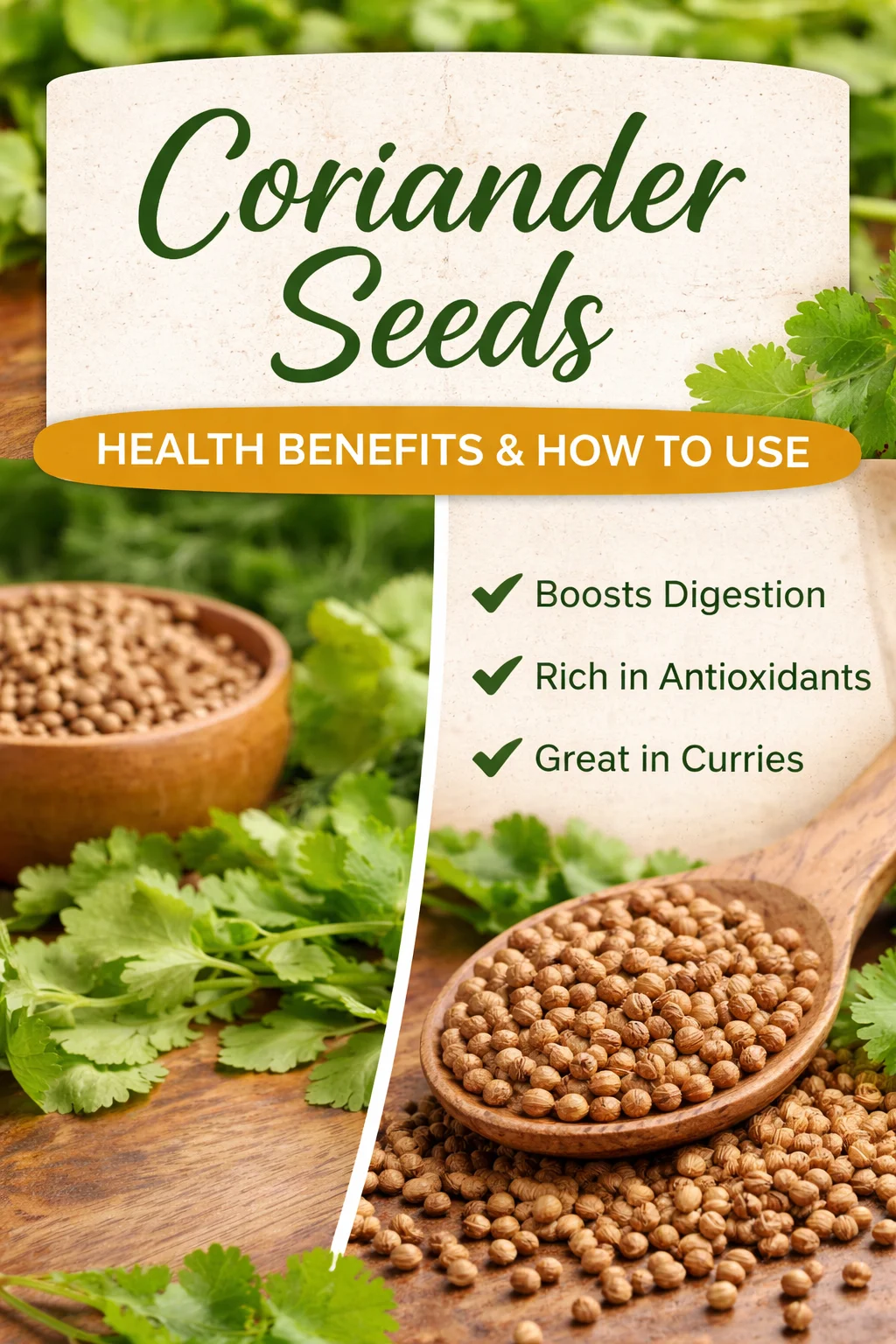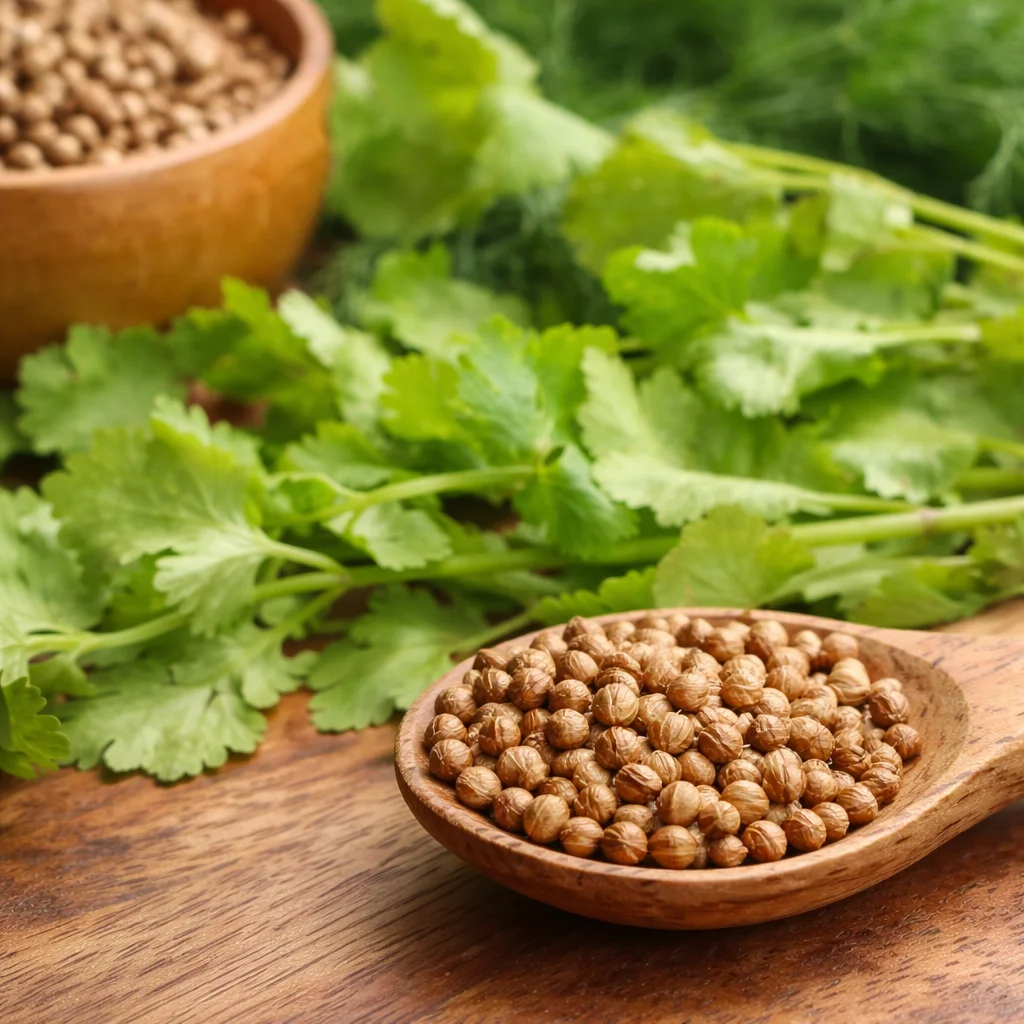
How to Grow Coriander (Cilantro) at Home Step by Step is one of those things I put off for years because I thought it would be fussy. Then I got tired of buying limp little bunches that turn slimy in the fridge two days later. If you cook even a little bit, you know that fresh cilantro can make a bowl of soup, tacos, or a simple salad taste like you actually tried. The good news is coriander is friendly, fast, and totally doable in a pot on a balcony or a sunny windowsill. I will walk you through what I do at home, including the mistakes I made so you do not have to.
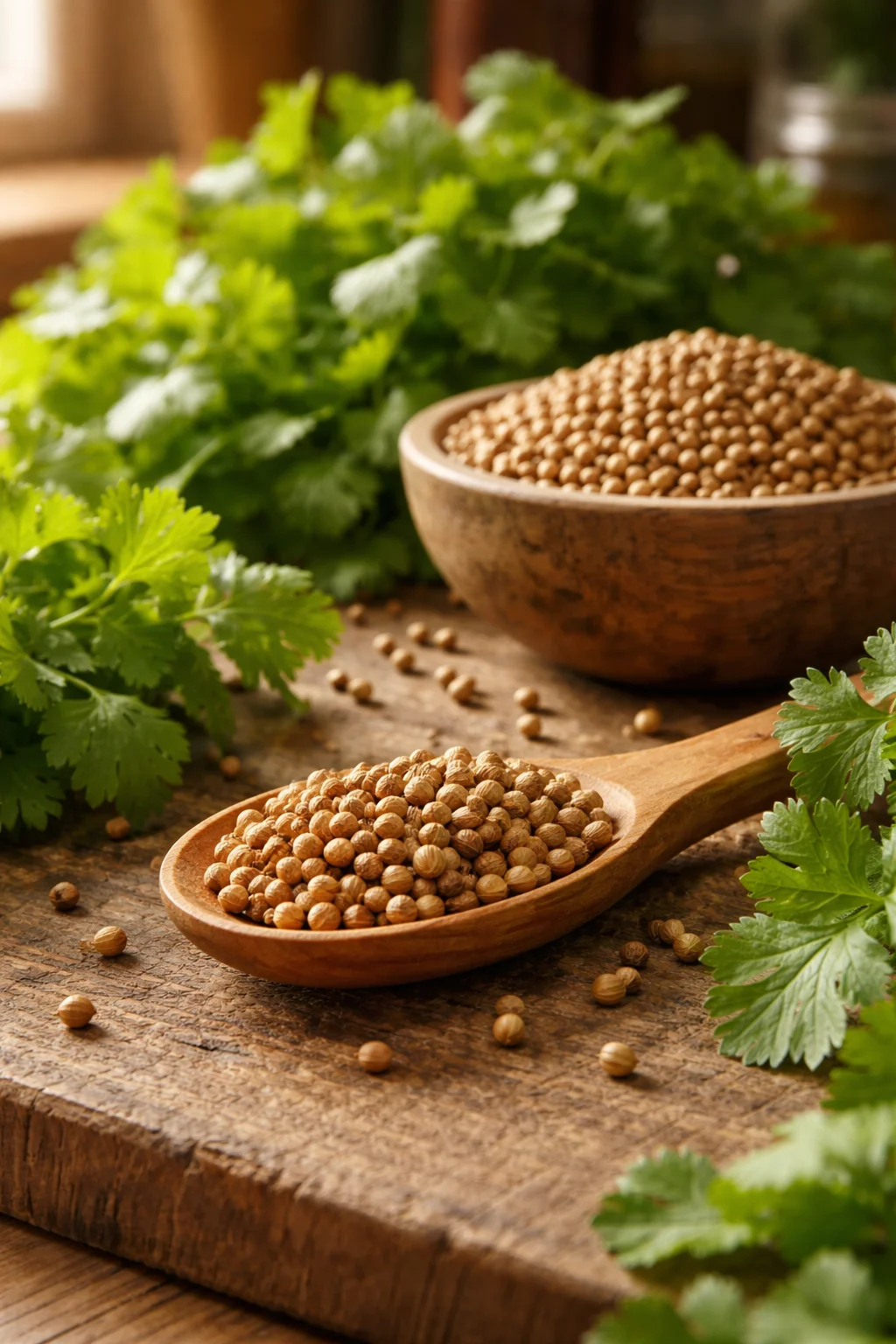
Steps to Grow Your Own Coriander
First, quick clarity: coriander and cilantro are the same plant. Most of us call the leaves cilantro and the seeds coriander. When you are growing it, you are basically growing both options depending on when you harvest.
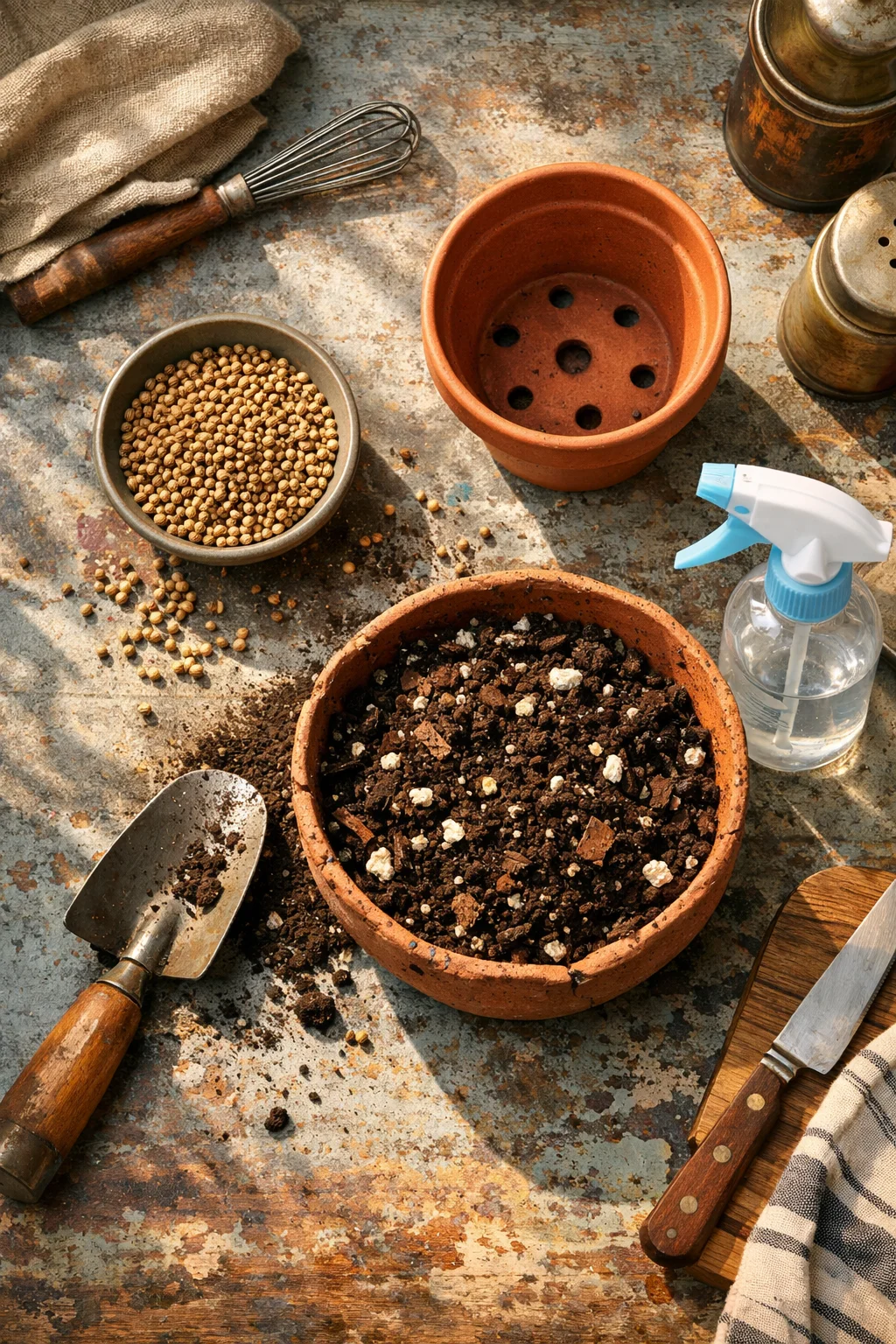
What you will need (keep it simple)
- Coriander seeds (the round, beige seeds from the spice aisle work, as long as they are not roasted)
- A pot with drainage holes (6 to 10 inches deep is great)
- Potting mix that drains well (not heavy garden dirt)
- A sunny spot (morning sun is perfect)
- A spray bottle or small watering can
Now the step by step I actually follow:
Step 1: Crack the seeds. This is the part I skipped at first, and my germination was slow. Coriander “seeds” are actually little pods with two seeds inside. Gently press them with the bottom of a jar to crack them into halves. Do not crush into powder, just split.
Step 2: Soak for a head start. Soak the cracked seeds in room temperature water for about 8 to 12 hours. If I forget and it turns into 16 hours, it is still fine. Drain them before planting.
Step 3: Plant shallow. Fill your pot with moistened potting mix. Scatter seeds and cover with about 1 quarter inch of soil. Coriander does not want to be buried deep.
Step 4: Keep the top lightly moist. For the first week, I mist the surface daily. You are not trying to make mud. Think “damp sponge.” Once sprouts show up, water when the top inch feels dry.
Step 5: Give it light, not scorching heat. Coriander grows best in cooler weather and can bolt fast when it is hot. If your spot gets intense afternoon sun, move the pot so it gets morning sun and bright shade later.
Step 6: Thin it out (yes, really). When seedlings are about 2 inches tall, thin them so plants are about 2 to 3 inches apart. It feels mean, but crowded seedlings turn into weak, floppy plants.
Step 7: Feed lightly. If your potting mix is basic, a tiny dose of balanced liquid fertilizer once every 3 to 4 weeks helps. Do not overdo it. Too much fertilizer can mean lots of leaf but less flavor.
Little personal tip: I like to sow a small pinch of seeds every 2 to 3 weeks. That way I always have fresh leaves coming. It is the same strategy I use when I make comfort food and want reliable leftovers, like these oven roasted potatoes with spinach and mushrooms, because having something ready makes cooking feel easier on busy nights.
And if you are wondering about taste, homegrown cilantro smells brighter. When I snip it, it is that clean, citrusy hit that makes you hungry right away.
How to Harvest Coriander Seeds
If you let the plant grow longer, it will flower and then form seed heads. This usually happens faster in warm weather or if the plant gets stressed from drying out. Do not panic if it bolts. This is how you get coriander seeds.
My simple seed harvesting routine
Here is what I do when I want seeds for cooking or to save for planting:
Wait for the seed heads to turn brown. They start green, then slowly dry out. When most of the little balls are tan to light brown and feel dry, they are ready.
Cut and bag. Snip the whole stem and place it upside down in a paper bag. I tie the top loosely and let it sit somewhere dry for about a week. This keeps seeds from scattering everywhere.
Shake and separate. After a week, shake the bag. The seeds fall off easily. Pick out the dried plant bits.
Store properly. Keep seeds in a small jar in a cool, dark cabinet. They stay best when dry and away from heat.
One more thing: seeds you save from your plant can be used next season. I love that. It feels like the plant is paying you back for the tiny bit of effort.
“I followed this exact method with the paper bag and finally got a jar of coriander seeds that actually smell fresh. I never realized how much better home dried seeds are compared to old store ones.”
Also, if you are cooking something cozy and you want to use coriander seeds right away, toast them in a dry pan for 30 to 60 seconds until fragrant, then crush. That warm, lemony spice vibe is so good with potatoes. It even makes something simple feel special, like this Cajun potato soup on a chilly night.
What is Coriander Used For?
This is where growing coriander gets really fun, because you can use the whole plant in the kitchen.
Cilantro leaves: Fresh, bright, slightly peppery. I toss them on tacos, noodle bowls, soups, and even scrambled eggs when I want a quick flavor boost.
Stems: Do not toss them. Cilantro stems have tons of flavor. I chop them finely and add them to salsas and marinades.
Coriander seeds: Warm, citrusy, a little nutty. Great in spice rubs, roasted veggies, lentils, and pickles.
Coriander roots (if you pull the plant): Stronger flavor, used a lot in Thai cooking. If you have a bigger pot and the roots develop well, scrub them and freeze for curry pastes and broths.
My lazy weeknight move is: rice, a fried egg, a squeeze of lime, and a handful of cilantro. If I have leftover roasted potatoes or anything creamy, cilantro cuts through the richness. It is the same “fresh on top” trick I use when I make a comfort meal like this chicken alfredo tater tot casserole and want it to feel a little brighter.
When to Plant Coriander Seeds
Coriander prefers cooler temperatures. If you have ever had store bought cilantro wilt fast in summer, you already understand its personality.
Best planting times:
In many places, early spring and early fall are ideal. If you plant in peak summer heat, you will still get growth, but it may bolt quickly and go to seed instead of giving you lots of leaves.
If you are growing indoors: You can plant almost anytime, but keep it near bright light and away from heaters. A sunny windowsill works, and rotating the pot every few days helps keep it from leaning.
Quick germination expectations: With cracked and soaked seeds, I often see sprouts in 7 to 10 days. Sometimes it is 14 days if the room is cool. Be patient and keep the soil lightly damp.
How long until you can harvest: You can start snipping leaves when the plant is about 6 inches tall, usually around 3 to 4 weeks after sprouting. For coriander seeds, it takes longer, often 2 to 3 months depending on conditions.
Companion Plants for Coriander
If you are planting coriander in a bigger container or a garden bed, companions can make life easier. Some plants help by providing a bit of shade, and others just grow nicely alongside without competing too much.
Good companions (and a few to avoid)
Good companion plants:
- Lettuce and spinach (they like similar conditions and appreciate a little shade)
- Radishes (quick growers that do not hog space for long)
- Chives and onions (can help confuse pests with their scent)
- Tomatoes (tomato foliage can give partial shade in warmer weather)
Plants to be careful with: Big, thirsty herbs in the same pot can crowd coriander out. Also, very hot, sunny spots that work for rosemary can be too intense for coriander.
My honest experience: coriander is happiest when it is not fighting for space. If you only have one pot, let it have the pot. If you have a long planter, tuck it beside leafy greens and keep everything watered evenly.
Common Questions
1) Why does my cilantro plant suddenly shoot up and stop making nice leaves?
That is bolting, usually from heat or dryness. You can still use the leaves, but they get smaller. Let it flower if you want coriander seeds.
2) Can I grow coriander from the bunch I bought at the store?
Sometimes you can root stems in water, but success varies. For reliable results, start from seeds. If you want to try water growing, keep expectations chill and refresh the water often.
3) How often should I water coriander?
Water when the top inch of soil feels dry. It likes consistent moisture, not soggy soil. Drainage holes matter a lot here.
4) How do I make my coriander last longer after harvesting?
Snip what you need, do not cut the whole plant at once. For storage, wrap leaves in a slightly damp paper towel and put in a container in the fridge.
5) Is coriander the same as cilantro?
Yep. Same plant. Cilantro usually means the fresh leaves, and coriander usually means the seeds.
A fresh little kitchen pep talk before you start
Once you get the hang of it, growing coriander feels like having your own tiny flavor station at home. You snip what you need, your meals instantly taste brighter, and you waste less. If you want extra planting inspiration, I found this guide genuinely helpful: How to Grow and Harvest Your Own Coriander Seeds – Gardenary. And if you are curious about experimenting indoors, this one dives into it: How to grow coriander in water [step by step guide]. Now go plant a handful of seeds, and in a few weeks you will be sprinkling fresh greens on everything like you own the place.