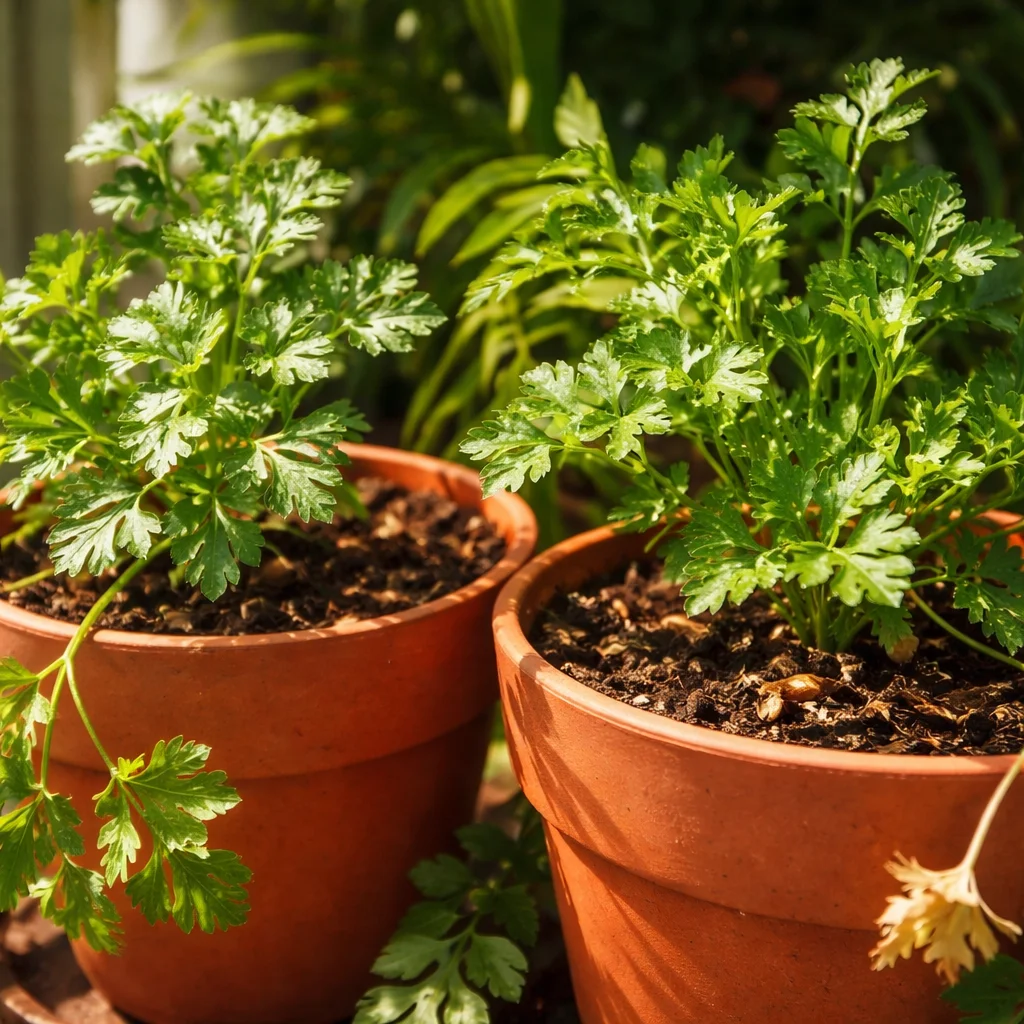
How to Grow Parsley Indoors and Keep It Fresh All Year used to be one of those things I assumed only super organized people did. Meanwhile, I was the person buying a big bunch of parsley, using a tablespoon, then finding the rest sadly melted in the fridge drawer a week later. If you have ever felt personally attacked by limp herbs, hi, you are my people. The good news is that indoor parsley is totally doable, even if your kitchen is small and your schedule is chaotic. Once you get a pot going, you can snip what you need and dinner instantly feels a little more alive.
Getting Started
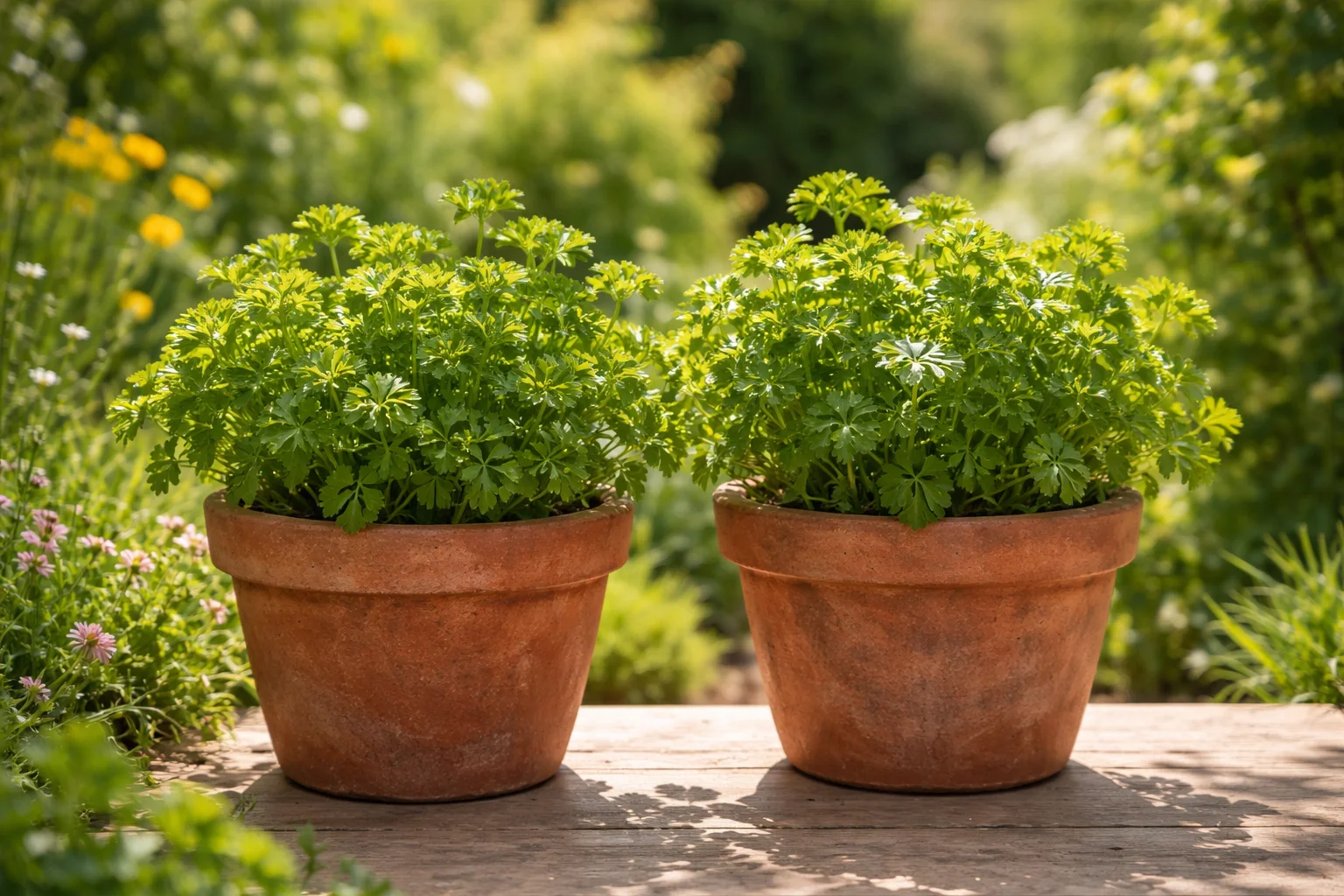
Let us keep this simple and practical. Parsley indoors is basically a little kitchen project that pays you back every time you cook. You do not need fancy gear, but you do need a couple of basics that make the difference between thin, sad stems and a pot that actually keeps producing.
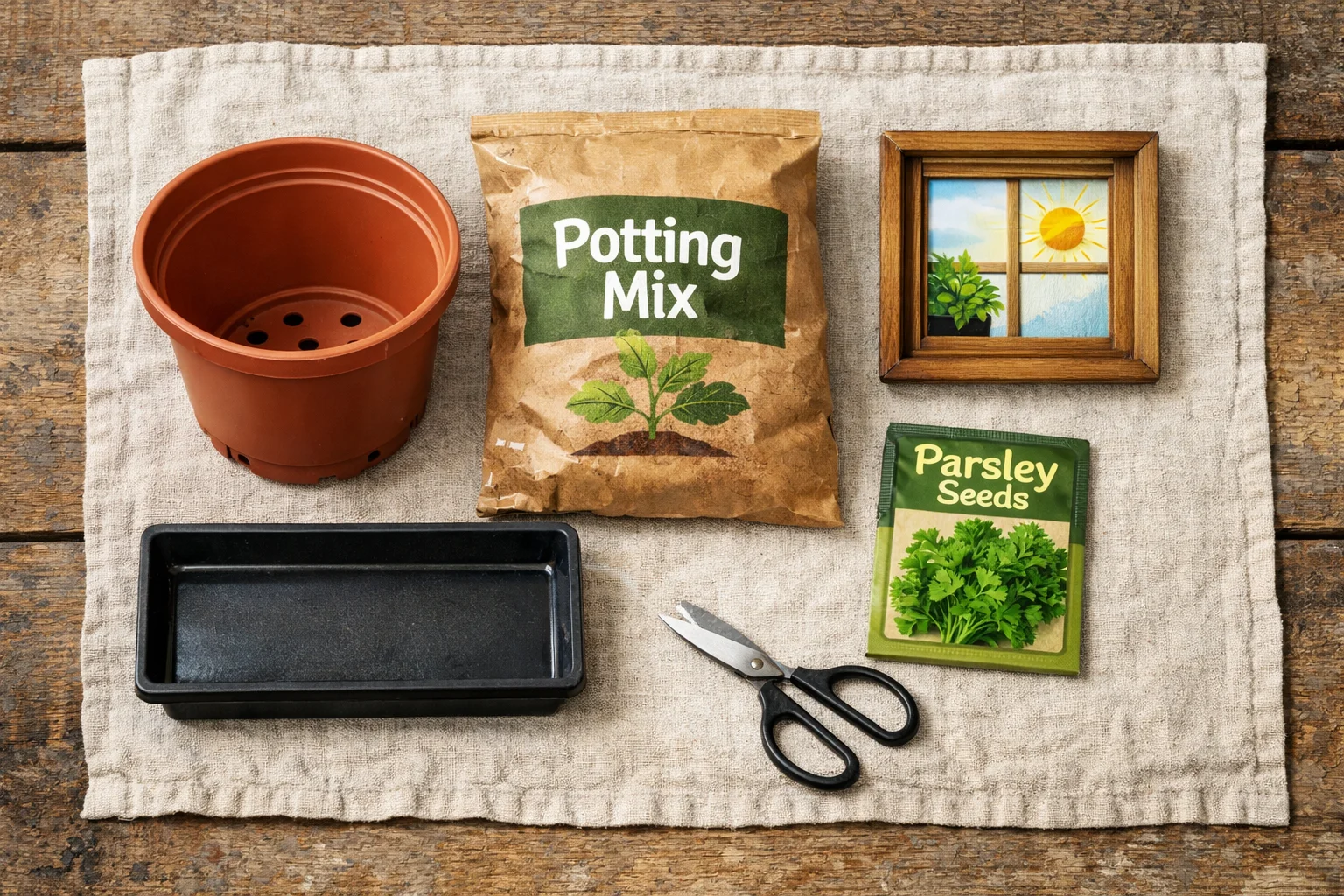
What you will need
- A pot with drainage (6 to 8 inches wide is great to start)
- Potting mix (not garden dirt from outside, it compacts too much)
- Seeds or a starter plant
- A sunny window or a small grow light
- A tray or saucer to catch water
- Optional but helpful: a small pair of scissors for harvesting
My biggest early mistake was putting parsley in a cute pot with no holes. It looked adorable right up until the roots stayed wet and the plant started sulking. Drainage is not negotiable.
Place your pot near the brightest spot you have. South facing windows are the dream, but east or west can still work. If your place is a little dim (hello, winter), a basic grow light can save the day. I know it sounds extra, but it is basically like giving your plant a reliable little sun schedule.
Also, indoor herbs are the ultimate cooking sidekick. On nights when I am already roasting veggies, I will toss chopped parsley on top at the end and it feels like I tried harder than I did. If you want a cozy dinner idea that loves a hit of fresh herbs, check out oven roasted potatoes with spinach and mushrooms. Parsley on top of that is chef kiss, but like, regular person chef kiss.
Choosing What To Grow
When people say parsley, they usually mean one of two types: curly parsley or flat leaf parsley. Both grow indoors, both taste fresh, and both make you feel like you have your life together when you sprinkle them on dinner.
Here is how I think about it:
Flat leaf parsley has a stronger flavor and is my pick for cooking. It chops easily and blends into sauces, soups, and egg dishes.
Curly parsley is a little milder and super cute. It is great if you like that classic bright green garnish vibe and it holds its shape well.
You also get to choose between seeds and starter plants.
Seeds are cheaper, but they take patience. Parsley seeds are slow to sprout, sometimes 2 to 4 weeks. Do not panic and dump the pot. I have done that. I regret it.
Starter plants are instant gratification. If you are the kind of person who needs quick wins (me), start with a small plant from a garden center or grocery store herb section and then keep it thriving indoors.
One more thing: if you cook a lot, it can be smart to grow two pots. That way one can rest while the other gets harvested more. Parsley is generous, but it likes a little recovery time.
Preparing The Ground
This part sounds serious, but it is really just setting up the pot so the plant does not struggle. Think of it as making the bed comfy before you expect someone to sleep in it.
Fill your pot with potting mix, leaving about an inch of space at the top so water does not spill everywhere. The soil should feel light and a bit fluffy, not packed down like a sandcastle. If it is packed, roots have a harder time, and parsley roots do like space.
If you are starting from seed, plant them shallow. A good rule is about a quarter inch deep. Then water gently so you do not wash everything into one corner of the pot.
Now for the tag you asked me to include, right here:
Here is a quick, real life setup guide I follow:
- Pot size: 6 to 8 inches wide for one plant, bigger if you want a fuller pot
- Soil: all purpose potting mix that drains well
- Planting depth: shallow for seeds, same depth as the starter plant came in
- First watering: damp, not soggy
If you are transplanting a starter plant, loosen the root ball a little with your fingers before placing it in the new pot. Not aggressive, just a gentle wiggle. This helps the roots branch out instead of circling the old shape forever.
After planting, I like to wait a day before doing anything else besides checking the moisture. It gives the plant time to settle instead of being constantly fussed over. Parsley likes attention, but not helicopter parenting.
Plant Care
This is where the magic happens, and honestly it is mostly about light, watering, and harvesting the right way. If you do these three things decently, you will be able to grow parsley indoors and keep it fresh all year without feeling like you took on a second job.
Light, water, and feeding
Light: Aim for 6 to 8 hours of bright light a day. If your window is weak, a grow light for 10 to 12 hours can help a lot. Rotate the pot every few days so the plant does not lean like it is trying to eavesdrop.
Water: Water when the top inch of soil feels dry. I stick my finger in the soil because it is faster than guessing. Water thoroughly until it drains out the bottom, then empty the saucer so it is not sitting in a puddle.
Feeding: Parsley is not super needy, but a little fertilizer helps. A diluted liquid fertilizer once a month is plenty, especially if you are harvesting often.
Now harvesting, this is the fun part. Do not just pluck random leaves off the top forever. Instead, snip the outer stems near the base and let the center keep growing. This simple habit makes a huge difference in how long your plant stays productive.
I also like to treat parsley like a finishing herb. Toss it on right before serving so it stays bright and fresh. It makes simple food taste more alive. And if you ever make fritters or veggie patties, chopped parsley is amazing in the mix. I learned a lot from this guide on how to keep fritters from falling apart, and parsley is one of my favorite add ins for both flavor and that fresh green look.
“I started an indoor parsley pot on my apartment windowsill and I have not bought a bunch of parsley in months. I snip a handful for eggs, soups, and salads and it always tastes fresher than store bought.”
If you want to really stretch freshness after harvesting, rinse only what you will use right away. For storing extra snipped parsley, I wrap it in a slightly damp paper towel and keep it in a container in the fridge. It stays perky for days.
Problem Solving
Even when you do everything right, plants still have moods. The nice thing is that parsley problems are usually easy to fix once you know what you are looking at. And when you stick with it, you truly can grow parsley indoors and keep it fresh all year without constant drama.
Problem: Seeds are not sprouting.
Parsley seeds can take forever. Keep the soil lightly moist, not soaked, and be patient. Warmth helps too. If your kitchen runs cold, place the pot in a slightly warmer spot until you see sprouts.
Problem: Yellow leaves.
This often means too much water or not enough light. Let the soil dry a bit more between waterings and move the pot to a brighter window or add a grow light.
Problem: Long, floppy stems.
That is usually low light. Rotate the pot and increase light exposure. Snip leggy stems to encourage new growth.
Problem: Tiny bugs (gnats) around the pot.
This usually comes from soil staying too damp. Let the top layer dry out and consider bottom watering. You can also sprinkle a thin layer of sand on top to discourage gnats.
Problem: The plant stops growing after heavy harvesting.
Give it a rest, harvest less for a week or two, and feed lightly. Make sure you are cutting the outer stems and not constantly shaving the center.
One more practical tip: if your parsley looks tired, it might be root bound. If roots are circling the bottom or poking out the drainage holes, move up one pot size with fresh mix. It is like upgrading from cramped shoes to sneakers. Instant relief.
Common Questions
How often should I water indoor parsley?
Usually once or twice a week, but it depends on your light and indoor heat. Check the top inch of soil. If it is dry, water.
Can parsley really grow indoors in winter?
Yes. Winter is actually when I appreciate it most. Just give it enough light. A small grow light makes winter growing way easier.
Should I cut parsley or pinch it?
Cut it. Snip outer stems near the base with scissors. It is cleaner and helps the plant keep producing.
Why does my parsley taste bitter?
It can happen if the plant is stressed from heat, dry soil, or if it is starting to flower. Keep it evenly watered, avoid hot drafts, and harvest regularly.
How do I keep harvested parsley fresh longer?
Wrap it in a slightly damp paper towel and store it in a container in the fridge. Or stand stems in a glass with a little water and loosely cover with a bag.
A little pep talk before you start
If you have been wanting to grow parsley indoors and keep it fresh all year, I promise it is less intimidating than it sounds. Start with one pot, focus on good light and sensible watering, and snip from the outside so the plant keeps giving. When you want to go deeper, I really like this resource on Everything You Need to Know About Growing Parsley at Home for extra tips, and this one on Growing Parsley in Winter – Planters Place if your cold season setup needs help. Try it for a week or two and you will see how satisfying it is to cook, reach over, and snip something fresh.