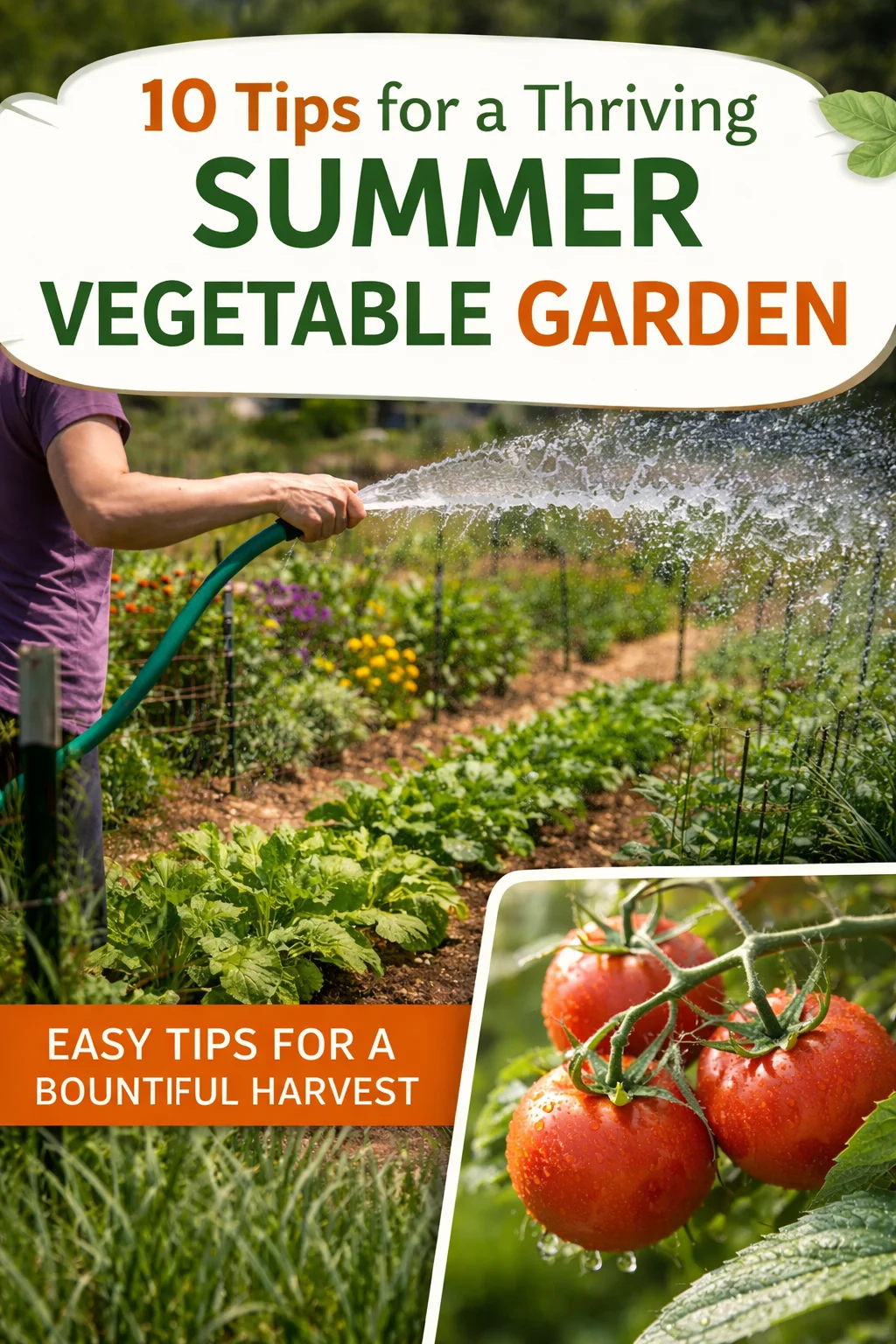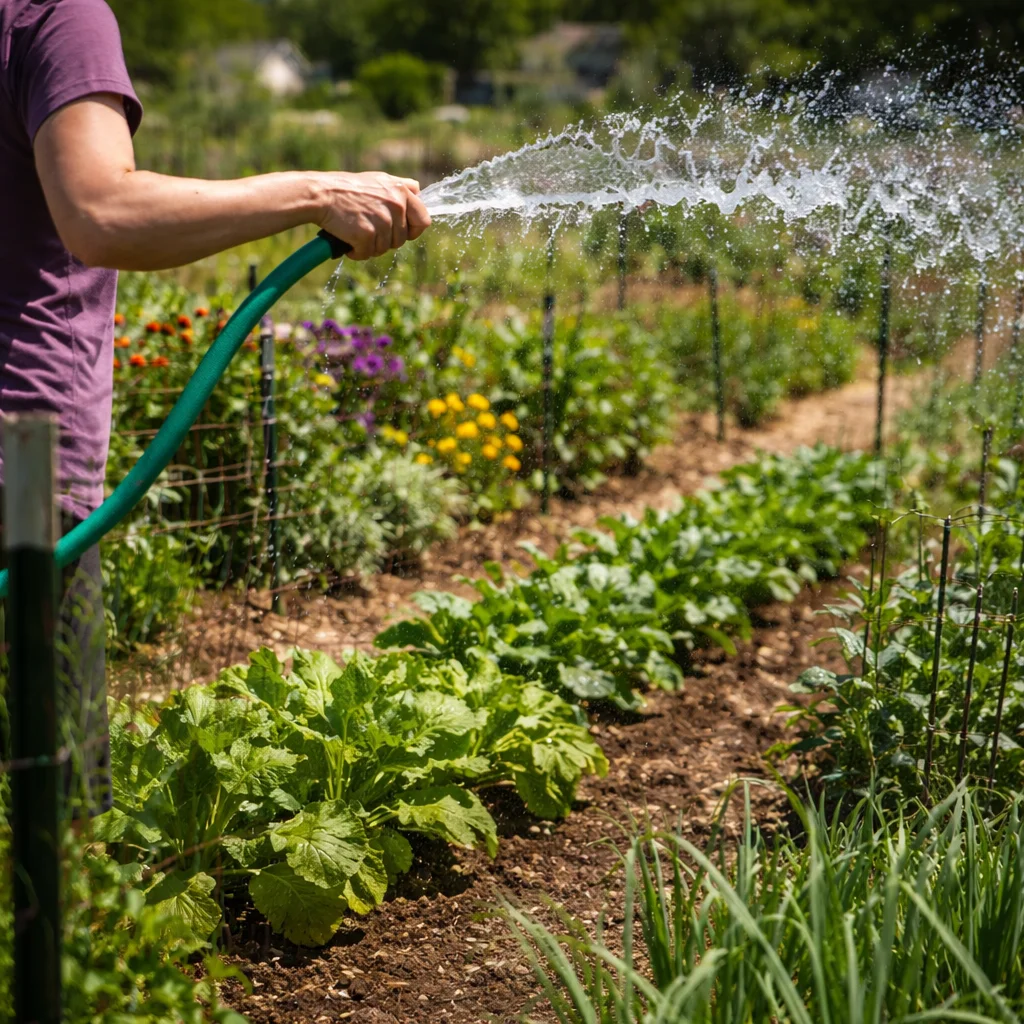
How to Water Your Kitchen Garden the Right Way (Beginner Guide) is basically the thing I wish someone handed me the day I put three basil plants on my windowsill and somehow managed to stress them out with love. If you are standing there with a watering can, wondering if you are helping or slowly drowning dinner, I get it. Kitchen gardens are sneaky because they look small and simple, but they still have real plant needs. The good news is watering is not complicated once you know what to look for. I am going to walk you through the little habits that keep herbs perky and veggies crisp, without turning your soil into soup.
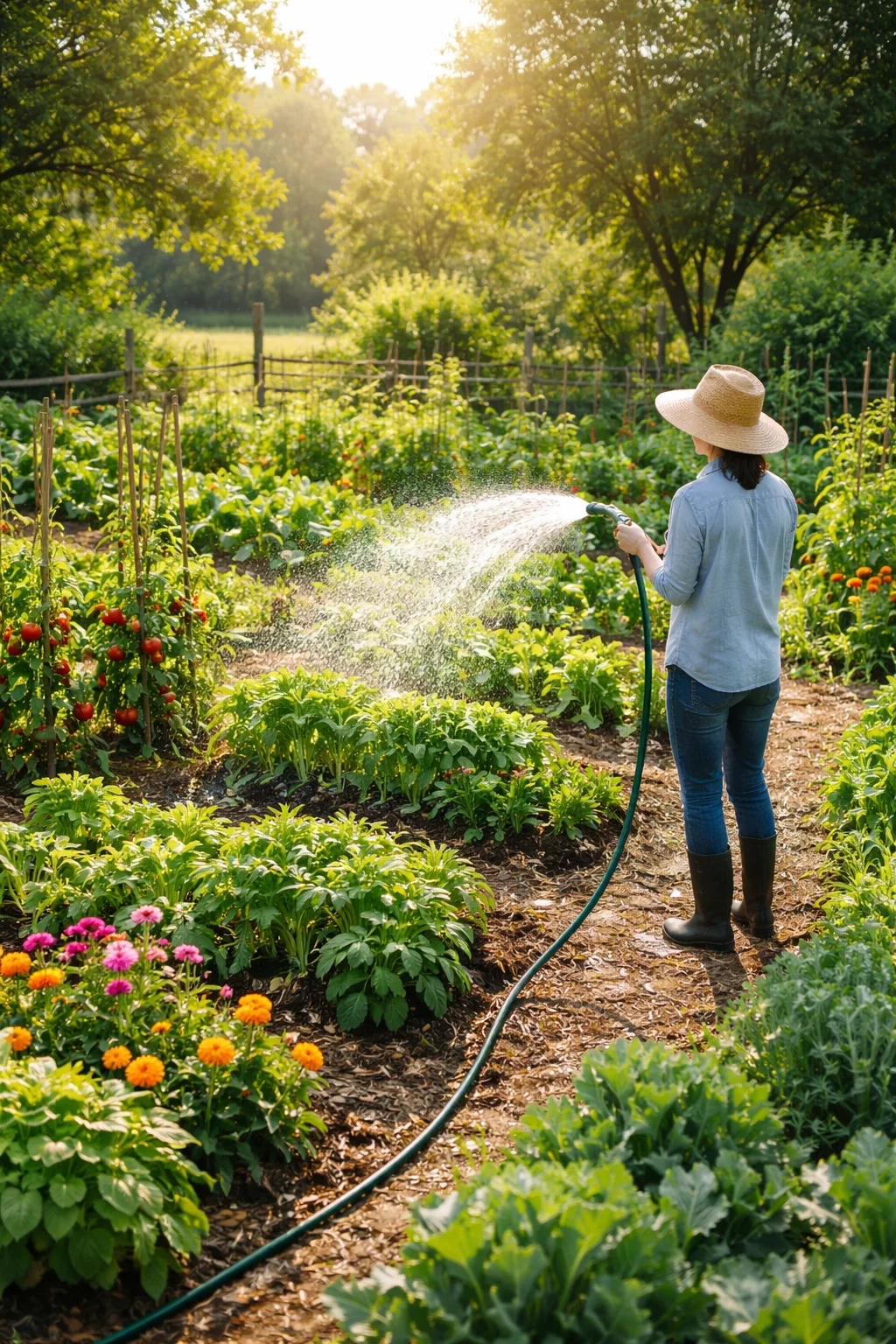
Best Practices for Watering Your Vegetable Garden
My biggest mindset shift was this: water the soil, not the plant. Leaves do not drink, roots do. And when I started aiming for the root zone, everything got easier and I had fewer sad, spotty leaves.
Here is what has worked best for me in a small kitchen garden setup, whether it is pots, raised beds, or that sunny corner by the back steps:
- Water in the morning if you can. Plants get a fresh start, and the sun helps dry extra moisture on the surface.
- Go slow and deep instead of quick little sprinkles. You want water to reach the roots, not just darken the top inch.
- Check before you water by sticking a finger into the soil. If it is dry 1 to 2 inches down, it is time.
- Avoid wetting the leaves when possible, especially for tomatoes and anything prone to mildew.
- Water consistently. Big swings from bone dry to soaking wet can crack tomatoes and stress herbs.
And yes, I treat watering like part of cooking. It is the prep step that makes the final dish taste better. For example, when my basil is evenly watered, it stays tender and sweet, which makes dinner feel like I tried harder than I did.
Quick side note since we are in food blogger territory: if you are growing potatoes or just love them, my comfort food brain always goes straight to a cozy baked potato situation when the weather cools down.
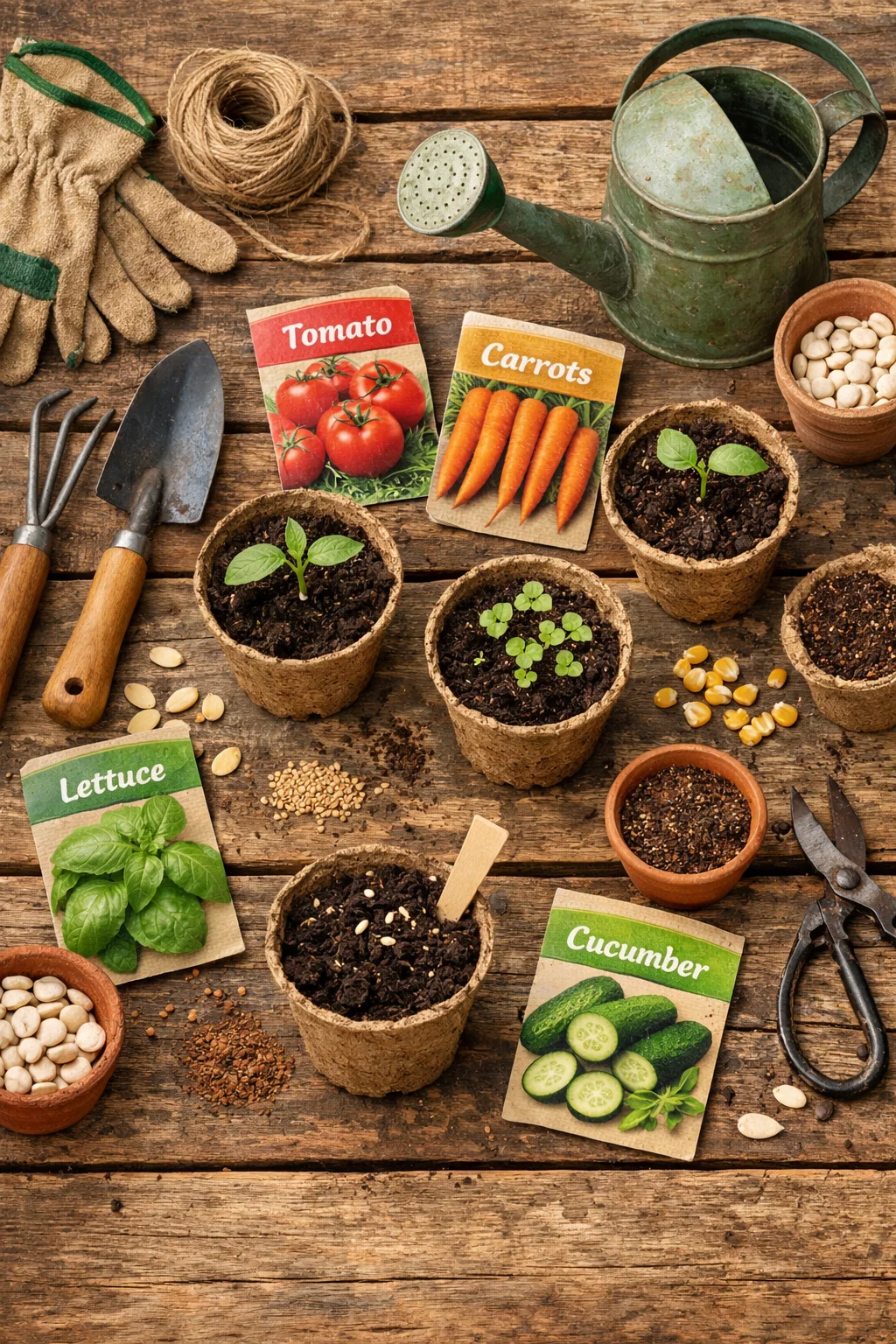
Common Mistakes to Avoid When Watering
Most beginner issues are not from neglect. They are from being too attentive. I have absolutely done the hover and water routine because I wanted to feel like a responsible plant parent.
These are the mistakes I see most often, and the simple fix for each:
Mistake 1: Watering on a schedule instead of based on soil
Fix: Touch the soil first. Weather changes fast, and plants do not follow our calendars.
Mistake 2: Using a tiny splash every day
Fix: Water thoroughly, then wait. Shallow watering makes shallow roots, and shallow roots panic the moment it gets warm.
Mistake 3: No drainage
Fix: If you are in containers, make sure there are holes. If water cannot escape, roots can rot even if the top looks fine.
Mistake 4: Watering the leaves at night
Fix: Nighttime leaf moisture invites fungus. Aim low, and aim earlier in the day.
Mistake 5: Ignoring what the plant is telling you
Fix: Droopy leaves can mean thirsty or overwatered. Always check the soil before you assume.
I once overwatered my mint so badly it smelled tired. Mint. The plant that usually grows like it is trying to take over the neighborhood. That was my wake up call to slow down and read the soil.
“I stopped watering my containers every single day and started checking the soil like you suggested. My parsley finally looks normal again, and I am not fighting mushy soil anymore.”
If you are cooking while you garden, you already know small technique changes make a big difference. It is like learning how to keep fritters from falling apart, once you get the feel for moisture, everything behaves better.
Understanding Plant Water Needs by Season
This is where a lot of new gardeners get confused. The same pot can need water every day in July and only once a week in October. It is not you. It is the season.
Spring and mild weather
Spring is usually forgiving. Roots are growing, temperatures are moderate, and evaporation is slower. Water when the top couple inches start to dry out. If it rains, let the rain do the work, but still check containers since they can dry out faster than beds.
Summer heat
Summer is when your kitchen garden will make you think you are doing something wrong. Hot sun pulls water out of soil fast, especially in pots. You might need to water more often, but still aim for deep watering. If plants wilt in the afternoon heat but perk up in the evening, that can be normal. If they stay wilted into the evening, they are truly thirsty.
Also, mulch helps a lot in summer. Even a simple layer of straw, shredded leaves, or compost on top can keep moisture from disappearing so quickly.
Fall and winter
Cooler temperatures usually mean less watering. Growth slows down, and soil stays damp longer. Overwatering becomes more common here, especially indoors where light is weaker. If you keep herbs inside, water less and make sure the pot drains well.
One practical tip: write a tiny note on your phone when seasons shift, like “late June: check pots daily.” It sounds nerdy, but it keeps you from guessing.
Tools and Techniques for Efficient Watering
Let us keep this beginner friendly. You do not need a fancy setup, but a couple of basic tools make watering your kitchen garden so much easier and more consistent.
My go to tools and why they help:
- Watering can with a narrow spout: lets you aim right at the soil without blasting it everywhere.
- Soaker hose or drip line for beds: slow watering that actually sinks in, and it is great if you travel or forget.
- Moisture meter (optional): helpful if you are anxious and need a second opinion besides your finger test.
- Mulch: not a tool, but it is basically a moisture saving trick that feels like cheating.
Technique wise, here are two things I do all the time:
1) Water in two passes
First pass moistens the surface, second pass a minute later helps water soak deeper instead of running off.
2) Bottom water delicate seedlings
Put the pot in a tray of water for 10 to 20 minutes, then remove it. This keeps tiny stems from getting knocked over and encourages roots to grow down.
And just because I can never stay away from dinner talk, if you are growing tomatoes, onions, or herbs for a big weekend meal, you might like this guide on how many hours does it take to roast a turkey. Timing food and timing watering have the same vibe, plan ahead and life is calmer.
Optimizing Soil Moisture for Healthy Plants
This is the heart of watering your kitchen garden. It is not about how much water you pour. It is about whether the soil holds the right amount of moisture long enough for roots to actually use it.
Here is how I keep soil moisture balanced without getting fussy:
Start with good soil
If soil is too sandy, water runs through fast. If it is heavy and compacted, water sits and suffocates roots. A basic potting mix for containers, or garden soil amended with compost for beds, usually gets you in the sweet spot.
Add compost regularly
Compost improves moisture holding without turning soil into sludge. I top dress a little every few weeks during the growing season.
Mulch like you mean it
A thin layer helps stop evaporation and keeps the soil temperature more stable. Stable soil means less plant stress.
Use the lift test for containers
After you water a pot thoroughly, lift it. Feel the weight. Next time you wonder if it needs water, lift it again. This becomes a weirdly accurate habit.
Watch for clues
Curling leaves, slow growth, blossom drop, and bitter herbs can all point to moisture stress. Not always, but often enough to pay attention.
If you take only one thing from this whole post, let it be this: the goal is evenly moist soil that is never swampy. That is the sweet spot for watering your kitchen garden, and it makes plants taste better too.
Common Questions
How often should I water my kitchen garden?
It depends on heat, pot size, and plant type. Check the soil first. If it is dry 1 to 2 inches down, water thoroughly.
Is it bad to water herbs every day?
Sometimes, yes. Small pots in hot weather might need daily watering, but many herbs prefer the soil to dry slightly between waterings.
What is the easiest way to tell if I overwatered?
If the soil stays wet for days, smells sour, or leaves yellow while the soil is still damp, you might be overwatering or you might have poor drainage.
Should I mist plants instead of watering the soil?
Misting can help humidity for some indoor herbs, but it does not replace real root watering. Roots need moisture in the soil.
Can I water with leftover cooking water?
If it is plain, cooled, and not salty, sometimes yes. But avoid pasta water or anything with salt, oil, or seasoning.
A little pep talk before you grab the watering can
Once you get the hang of it, watering your kitchen garden becomes one of those quiet routines that makes the whole day feel better. Aim for deep watering, pay attention to seasons, and build soil that holds moisture without staying soggy. If you want a deeper dive, I like this resource on Secrets to Watering Your Vegetable Garden the Right Way, it lines up with what actually works in real life. And if you are still setting up your first little plot or container lineup, this A Beginner’s Guide To Starting Your Kitchen Garden is a friendly place to start. Now go water, then cook something simple with what you have got growing, even if it is just a handful of herbs on top of dinner.