Classic French Brioche Bread
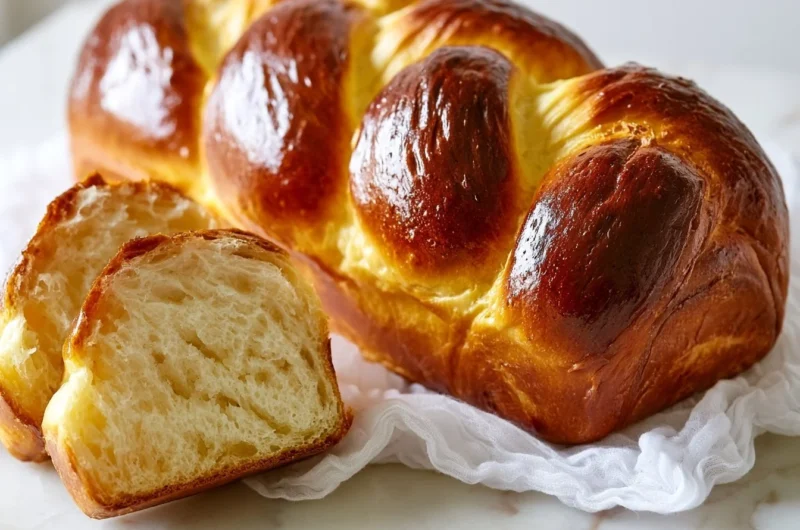
The unmistakable, sweet aroma of freshly baked brioche wafted through the air as my mother removed the golden loaf from the oven, the soft crust glistening with a light sheen. I remember the delicate sound of the knife slicing through the warm bread, and the way it pulled apart like a layer of clouds on a summer morning. That first bite was always heavenly—rich, buttery, and slightly sweet, leaving traces of joy that lingered long after breakfast had ended. It was in those moments that I understood the magic of classic French brioche bread. You may also find Classic Banana Bread The Perfect Homemade Recipe useful.
Brioche bread, with its tender crumb and buttery flavor, holds a special place in the hearts of many and is often used for special occasions or leisurely brunches. Making it at home might sound daunting, but with the right techniques and a little patience, you can create a loaf that rivals any French bakery. We’ll explore the delightful process of making classic French brioche bread, including tips, variations, and common pitfalls to avoid. You may also find Baked French Dip Biscuits useful.
Why you’ll love this Classic French Brioche Bread
- The rich, buttery flavor makes it ideal for breakfast, brunch, or dessert.
- You only need basic pantry ingredients, making it accessible to everyone.
- Perfectly toasted, it transforms into a delightful base for French toast or sandwiches.
- Homemade brioche allows you to customize the level of sweetness and add your favorite fillings.
- It can be made ahead and stored, making it a convenient choice for busy schedules.
Ingredients you’ll need
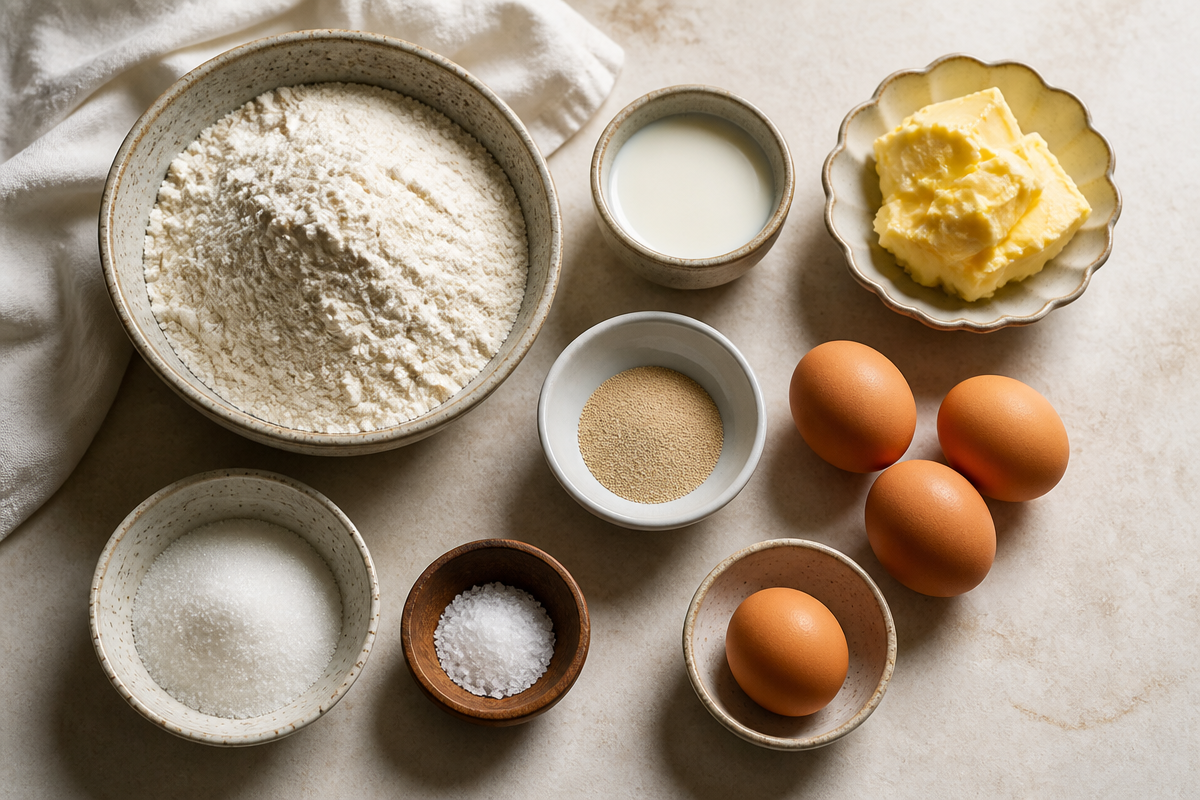
- 4 cups all-purpose flour (high gluten content helps create that signature texture)
- 1/2 cup granulated sugar (balances out the rich butter)
- 1 tablespoon salt (enhances the flavors)
- 2 1/4 teaspoons active dry yeast (the key to a fluffy rise)
- 6 large eggs (adds richness and moisture)
- 1 cup unsalted butter, softened (the star ingredient that gives brioche its flavor and tender texture)
How to make Classic French Brioche Bread (step-by-step)
- Activate the Yeast: In a bowl, combine 1/4 cup of warm water with the active dry yeast and a teaspoon of sugar. Let it sit for about 10 minutes until frothy.
- Mix the Ingredients: In a large mixing bowl, whisk together the flour, sugar, and salt. Make a well in the center and add the yeast mixture along with the eggs.
- Combine Everything: Using a wooden spoon or a sturdy spatula, mix until a dough forms. The mixture will be shaggy but should come together.
- Knead the Dough: Transfer the dough to a lightly floured surface and knead for about 10 minutes until smooth and elastic. This step develops the gluten, giving your brioche that delightful texture. If you’re short on time, you can also use a stand mixer with a dough hook here. Alternatively, you might enjoy trying out a French bread recipe for a different take on bread-making.
- Incorporate the Butter: Gradually add the softened butter, a few tablespoons at a time, and knead it into the dough. It might feel challenging initially, but sticking to it will yield a beautiful, smooth dough.
- First Rise: Place the dough in a lightly greased bowl, cover it with a damp cloth, and let it rise in a warm place for about 1-2 hours, or until doubled in size.
- Shape the Loaf: Punch down the risen dough, then turn it out onto a floured surface. Divide it into three equal sections and roll each into a long rope. Braid the ropes together, tucking the ends underneath to create a nice finish.
- Second Rise: Place the braided dough in a greased loaf pan, cover it, and let it rise for another hour until puffy.
- Bake: Preheat the oven to 375°F (190°C). Brush the top with an egg wash (1 beaten egg mixed with a tablespoon of water) for a beautiful glaze, and bake for 25-30 minutes until golden brown.
Tips for the best results
- Ensure that all your ingredients, particularly the eggs and butter, are at room temperature, as this promotes better mixing and incorporation.
- Keep an eye on your brioche as it bakes to prevent over-browning; if it gets too dark, tent it with aluminum foil.
- For extra richness, try adding a tablespoon of milk powder to the dough. It enhances the flavor and creates an even softer crumb.
Common mistakes to avoid
- Over-kneading: If the dough becomes too tough instead of elastic, your brioche will end up dense. Knead until just combined and elastic.
- Not letting the dough rise adequately: Patience is key; do not rush the rising process. The dough should double in size for the best texture.
- Inadequate resting times: As tempting as it may be, don’t skip the second rise. It ensures a light and airy brioche instead of a heavy loaf.
Variations
- Add-ins: Incorporate chocolate chips, dried fruits, or nuts for a delightful twist.
- Flavored Brioche: Experiment with spices like cinnamon or nutmeg, or add orange zest for a fragrant note.
- Savory Brioche: Add herbs and cheese to the dough for a delicious savory option perfect for sandwiches.
Storage and reheating
Brioche can be stored at room temperature for up to 2 days wrapped in plastic. For longer storage, slice it and wrap it tightly in foil before freezing for up to a month. To reheat, place slices in a 350°F (175°C) oven for about 5-10 minutes, or enjoy it toasted to revive its texture.
Frequently asked questions
- Can I use instant yeast instead of active dry yeast? Yes, you can use instant yeast; just mix it directly with the dry ingredients without activating it in water first.
- Why did mine turn out dry? This can happen if you used too much flour or didn’t add enough butter. Make sure to accurately measure your ingredients.
- Can I make this ahead? Absolutely! You can prepare the dough up to the first rise, then refrigerate it. Allow it to come to room temperature before shaping and continuing with the second rise.
Final thoughts
The charm of classic French brioche bread lies in its buttery richness and the warm memories it evokes—a true labor of love that fills your home with a sense of comfort and joy. Just like my mother’s kitchen, your own concoction will fill the air with enticing aromas that beckon to be savored, creating future memories for you and your loved ones.
Conclusion
If you want to explore more about classic recipes like brioche, check out this insightful piece on classic French brioche. Additionally, for similar baking experiences, you can visit Matt Adlard’s recipe for French brioche bread. Happy baking!