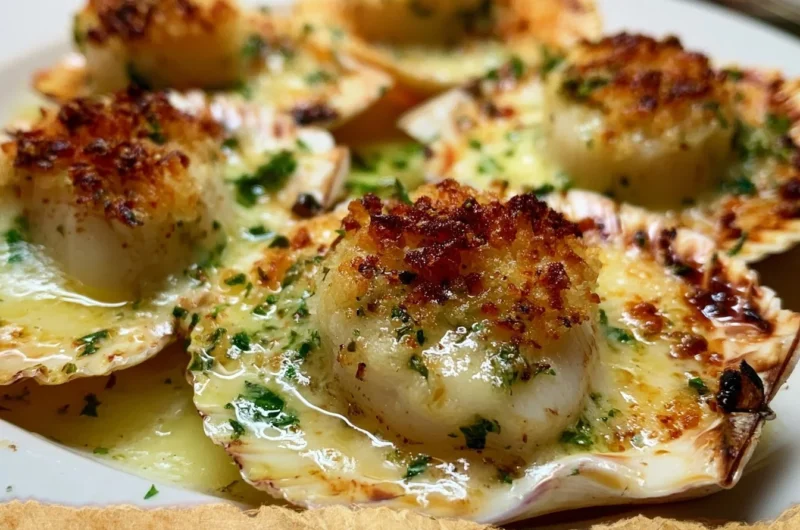
Coquilles Saint-Jacques: A Delightful French Classic
The aroma of garlic and white wine fills the air, mingling with the faint scent of melted butter as I stand by the stove, reminiscing about the first time I tasted Coquilles Saint-Jacques in a quaint bistro in Montmartre. It was a rainy evening, and the warm glow of candlelight danced across perfectly scalloped shells stacked with rich, creamy goodness. Each bite was a symphony of delicate textures and flavors that made my heart race with delight. It was in that moment I knew I had to recreate this culinary masterpiece at home. You may also find Baked French Dip Biscuits useful.
In this article, we’ll explore the traditional preparation of Coquilles Saint-Jacques, the history behind this beloved French dish, and why it deserves a spot on your dinner table. Let’s dive into what makes this dish so exceptional and how you can master it in your own kitchen. You may also find Classic Banana Bread The Perfect Homemade Recipe useful.
Why you’ll love this dish
- Impressive Presentation: Serve in scallop shells for a restaurant-quality look that wows guests.
- Rich, Flavorful Sauce: The combination of garlic, cream, and white wine creates a sauce that elevates the scallops to a new level.
- Quick to Prepare: This elegant dish can be ready in under an hour, making it perfect for both weeknights and special occasions.
- Perfect for Entertaining: Impress your friends with a classic recipe that showcases your cooking skills.
- Versatile Dish: Pair with a crisp salad or a bed of rice for a complete meal that fits any season.
Ingredients you’ll need

- 1 lb scallops (fresh or thawed, choose dry scallops for best flavor)
- 2 tbsp butter (for sautéing, adds richness)
- 1 cup heavy cream (for a luscious sauce)
- 1/2 cup dry white wine (such as Sauvignon Blanc, enhances the dish’s flavor)
- 2 cloves garlic (minced, for aromatic depth)
- 1/2 cup breadcrumbs (for a crunchy topping)
- 1/4 cup grated Parmesan cheese (adds a savory touch)
- Salt and pepper (to taste, balance the flavors)
How to make Coquilles Saint-Jacques (step-by-step)
- Prepare the scallops: Rinse the scallops under cold water and pat dry with paper towels. Season lightly with salt and pepper.
- Sauté garlic: In a large skillet, melt the butter over medium heat. Add the minced garlic and sauté until fragrant, about 1 minute, being careful not to burn it.
- Cook scallops: Increase the heat to medium-high, add the scallops, and sear for about 2-3 minutes on each side until they are golden brown. Remove from the skillet and set aside.
- Make the sauce: In the same skillet, pour in the white wine and simmer for about 5 minutes, allowing it to reduce slightly. Stir in the heavy cream and return the scallops to the skillet, simmering for an additional 3-4 minutes until the sauce thickens.
- Assemble the dish: Preheat your oven’s broiler. Spoon the scallop mixture into scallop shells or a baking dish.
- Topping: In a small bowl, mix the breadcrumbs with the grated Parmesan cheese. Sprinkle this topping over the scallops.
- Broil: Place the assembled dish under the broiler for about 3-5 minutes, or until the topping is golden brown and bubbly.
- Serve immediately: Garnish with fresh parsley if desired, and enjoy this delightful French classic!
Tips for the best results
- Use high-quality scallops: Fresh seafood significantly impacts the overall flavor, so opt for the freshest available. If you want to complement this dish with a tasty side, consider trying classic chicken tortilla soup for a cozy pairing.
- Don’t overcrowd the pan: Sear scallops in batches if necessary to achieve a nice caramelization. Overcrowding steams them instead.
- Adjust the consistency: If the sauce is too thick, add a splash more wine or cream until it reaches your preferred thickness.
Common mistakes to avoid
- Overcooking the scallops: This can lead to a rubbery texture. They should be opaque and slightly firm when done.
- Not letting the wine reduce: Skipping this step can result in a watery sauce that lacks depth of flavor. Take the time to let it simmer properly.
- Skipping the browning step: Browning the scallops adds complex flavors that are essential for the dish. Don’t rush this crucial step.
Variations
- Add vegetables: Incorporate finely chopped mushrooms or spinach for additional flavor and nutrition.
- Incorporate herbs: Fresh herbs like thyme or tarragon can elevate the dish further.
- Switch proteins: For a twist, consider using shrimp or lobster meat instead of scallops, adjusting cooking times as needed.
Storage and reheating
Store any leftover Coquilles Saint-Jacques in an airtight container in the refrigerator for up to 2 days. To reheat, place under the broiler for a few minutes until heated through, keeping an eye to prevent burning. It is not recommended to freeze, as the texture of the scallops could deteriorate.
Frequently asked questions
- Can I use frozen scallops?
Yes, allow them to thaw completely before cooking for best results. - Why did mine turn out dry?
Overcooking scallops can cause them to dry out; aim for a slight firmness just as they turn opaque. - Can I make this ahead?
For best freshness, prepare just before serving, though you can prep the sauce and scallops separately in advance.
Final thoughts
Creating Coquilles Saint-Jacques at home can transport you to a charming French bistro, evoking cherished memories of candlelit evenings and delightful flavors. The perfect combination of scallops, creamy sauce, and crunchy topping brings back the essence of that rainy night in Montmartre, making every bite feel like a celebration.
Conclusion
If you’re looking to explore different takes on this classic dish, you might want to check out Giangi’s Kitchen for an authentic French recipe or visit RecipeTin Eats for a simplified version. Whichever route you choose, you’ll be rewarded with a dish that tantalizes the palate and warms the heart.
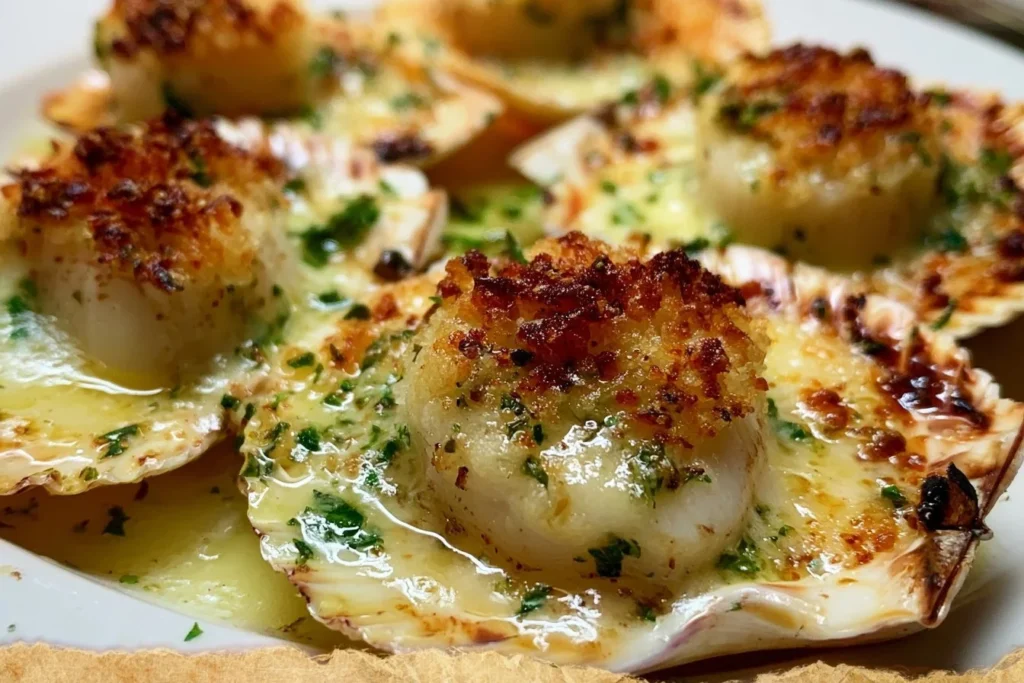
Coquilles Saint-Jacques
Ingredients
Method
- Rinse the scallops under cold water and pat dry with paper towels. Season lightly with salt and pepper.
- In a large skillet, melt the butter over medium heat. Add the minced garlic and sauté until fragrant, about 1 minute, being careful not to burn it.
- Increase the heat to medium-high, add the scallops, and sear for about 2-3 minutes on each side until they are golden brown. Remove from the skillet and set aside.
- In the same skillet, pour in the white wine and simmer for about 5 minutes, allowing it to reduce slightly. Stir in the heavy cream and return the scallops to the skillet, simmering for an additional 3-4 minutes until the sauce thickens.
- Preheat your oven's broiler. Spoon the scallop mixture into scallop shells or a baking dish.
- In a small bowl, mix the breadcrumbs with the grated Parmesan cheese. Sprinkle this topping over the scallops.
- Place the assembled dish under the broiler for about 3-5 minutes, or until the topping is golden brown and bubbly.
- Garnish with fresh parsley if desired, and enjoy this delightful French classic!