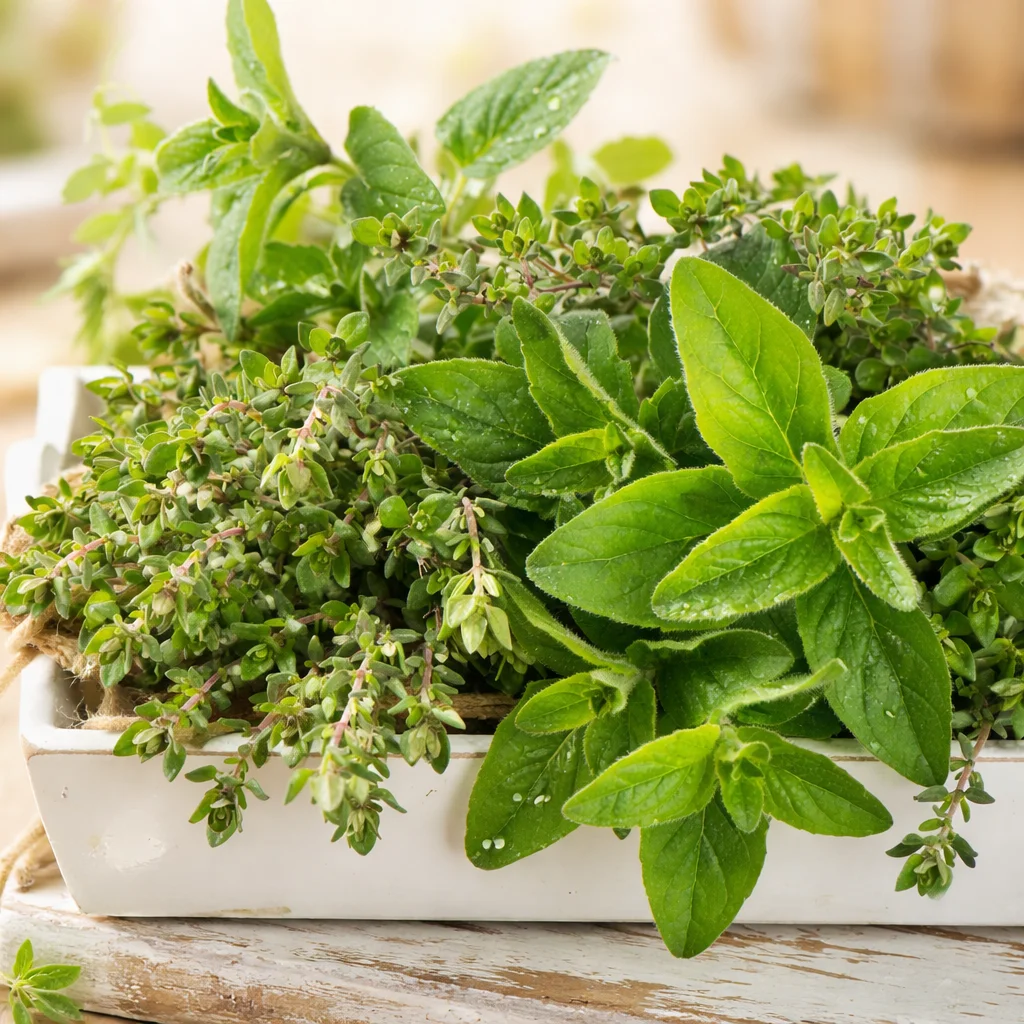
How to Dry Fresh Herbs at Home and Make Your Own Spices is one of those kitchen habits that sounds fancy, but honestly saves dinner on a random Tuesday. If you have a little herb plant on the windowsill or a garden that suddenly goes wild, you already know the problem: you cannot use it all before it turns sad and limp. I used to toss half of my basil and mint, then feel guilty every time I bought expensive jars of herbs later. Drying them at home fixes that, and it also makes your kitchen smell amazing for a couple of days. Plus, once you start making your own blends, it is hard to go back to the bland store stuff.
The Best Herbs to Dry
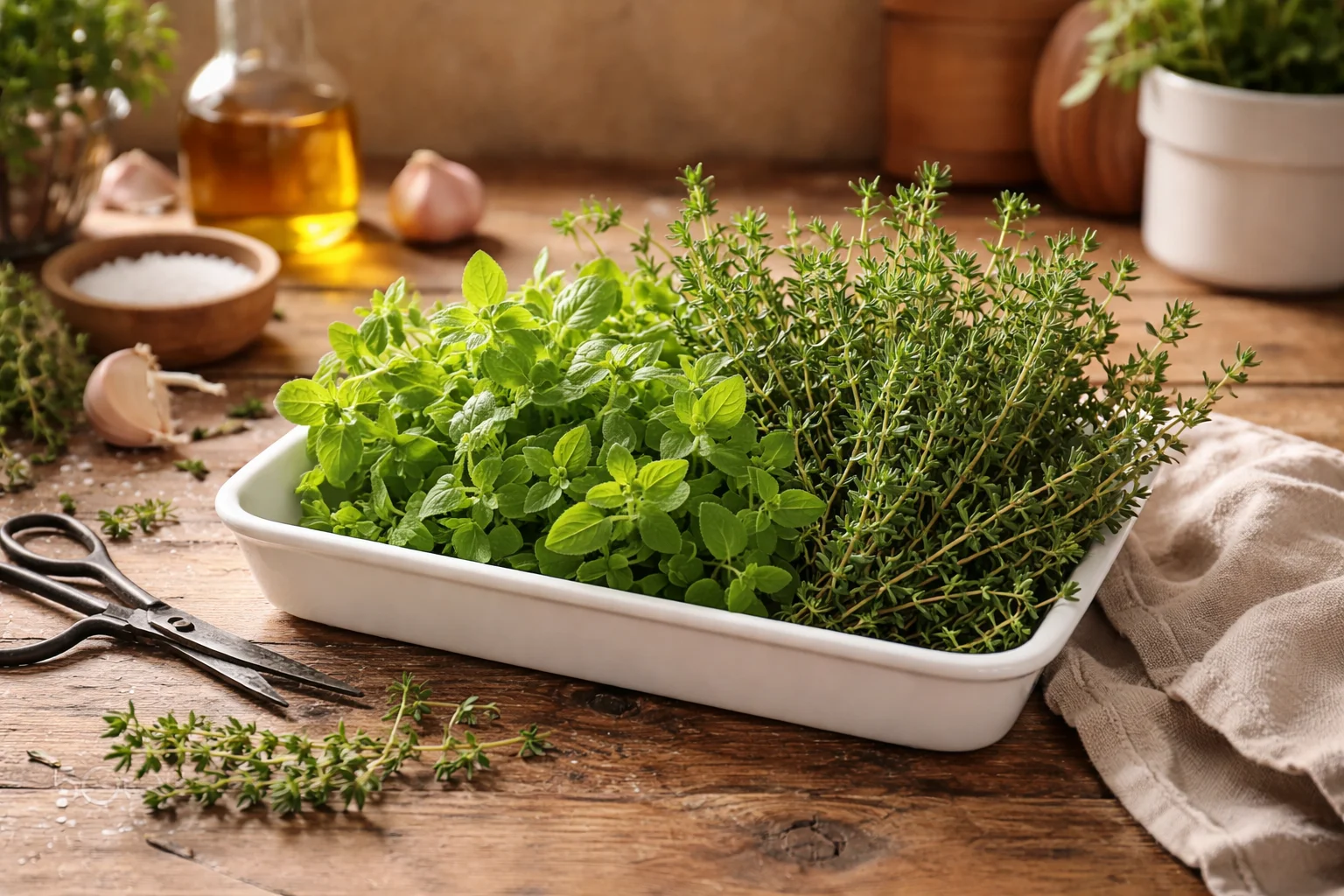
Not every herb dries the same way, but a lot of them do really well with simple air drying. I like starting with herbs that have sturdier leaves because they dry evenly and keep their flavor. The fragile, watery ones can still work, they just need a little extra attention.
Here are my go to picks when I am planning to dry a bunch at once:
- Rosemary (super forgiving and stays strong in flavor)
- Thyme (tiny leaves, easy to crumble)
- Oregano (tastes even better dried in my opinion)
- Sage (great for cozy meals and homemade sausage vibes)
- Mint (my tea hero)
- Parsley (milder dried, but still handy)
Basil is the one everyone asks about. Yes, you can dry basil at home, but it can lose some of that fresh, sweet smell. I still do it because dried basil in a pinch is better than no basil, especially when I am making quick comfort food. For example, when I am in a pasta mood, I will throw a pinch into creamy dishes like this chicken alfredo pasta situation, and it instantly tastes more put together.
Quick tip from my own trial and error: pick herbs that look healthy and smell strong before drying. If they are already struggling, drying does not magically improve them. It just locks in the “meh.”
How to Dry Herbs from Your Garden by Hanging Them
This is the method I use the most because it is low effort and does not require any special tools. It is also the one that makes me feel like I have my life together, even if my laundry is still in the dryer from yesterday.
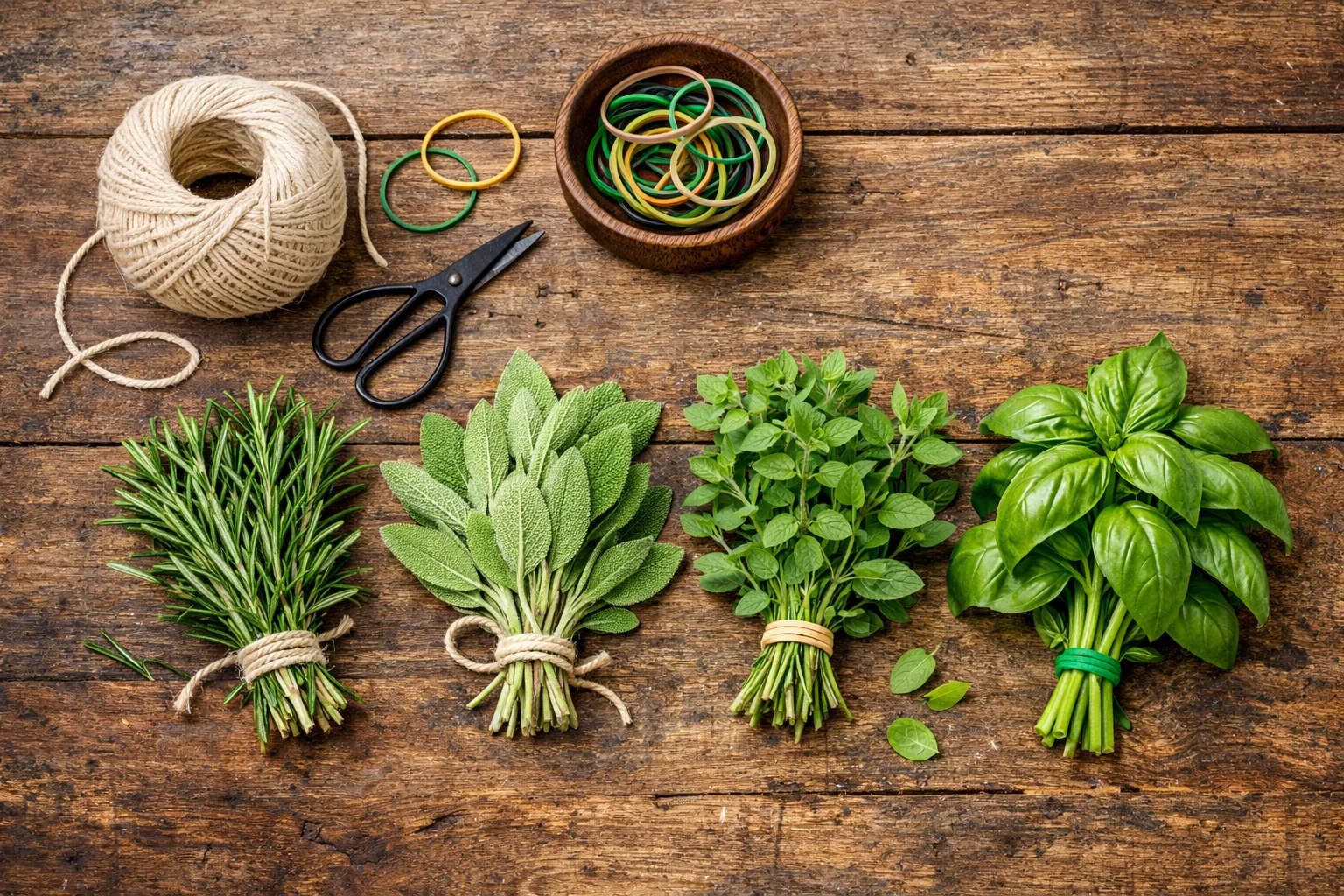
What you will need
- Kitchen twine or rubber bands
- Paper bags (optional but helpful)
- A warm, dry spot out of direct sunlight
- Clean herbs (more on washing below)
Step one is harvesting. I like to cut herbs in the morning after any dew has dried. That is when they smell the strongest. Trim long stems, and remove any ugly leaves. If you need to rinse them, do it quickly under cool water, then dry them really well. I mean really. I pat them with towels and let them sit for a bit. Moisture is the enemy here because it can cause mold.
Next, bundle them. Keep the bundles small, like 10 to 15 stems depending on thickness. Tie them at the bottom with twine or a rubber band. I prefer rubber bands because the stems shrink as they dry, and the band keeps tightening.
Now hang them upside down. I use a hook in my pantry, but you can also use a coat hanger, a shelf bracket, or a little rod. Just keep them away from sunlight. Sunlight can fade color and flavor, and we are doing this for taste, not decoration.
If you are worried about dust or you have pets who believe herbs are toys, slip a paper bag over the bundle and cut a few small holes for airflow. It looks a little funny, but it works.
Drying time depends on humidity. For me it is usually 7 to 14 days. You will know they are ready when the leaves crumble easily between your fingers and the stems snap instead of bending.
Once they are dry, I like to strip the leaves right into a bowl, then do a quick check for any leaves that feel soft. Soft means not done yet. Toss those back to dry longer.
How to Store Dried Herbs
Storing matters more than people think. You can do all the work of drying and then ruin it by tossing everything in a steamy cabinet next to your stove. I have done that. I learned my lesson the sad way.
The rule I follow is simple: cool, dark, and dry. Also, keep herbs away from heat sources like the oven, stove, or dishwasher vent.
The easy storage rules I swear by
First, let the herbs cool and “rest” a bit after drying. Then store them whole when possible. Whole leaves hold flavor longer than crushed. I only crumble what I need as I cook, or I crush a small amount when I am making my own spice blends.
I use small glass jars with tight lids. If you are reusing old jars, wash and fully dry them first. Label everything with the herb name and the date. This sounds extra until you have three green jars and no clue which one is oregano and which one is thyme. They do not all smell that different once your nose gets used to it.
Also, here is a practical thing: check your jars after the first day. If you see any fogging or moisture, your herbs were not fully dry. Dump them back out and let them dry longer. It is annoying, but it prevents mold.
And since we are talking storage, if you are also storing leftovers a lot, you might like this helpful guide on how long chicken spaghetti is good in the refrigerator. My fridge is basically a rotating cast of containers, so having simple rules helps.
“I started drying my mint and rosemary after reading your tips, and I cannot believe how much better my homemade blends taste now. Also, my kitchen smells like a little cafe.”
For shelf life, I try to use most dried herbs within 6 to 12 months for best flavor. They do not suddenly go bad at a year, they just get weaker and you will need more to get the same punch.
My Favorite Dry Herbs to Use for Teas
This is the part that makes me happiest, because tea herbs feel like a tiny daily luxury. When I have dried herbs ready to go, I am way more likely to make an evening cup instead of grabbing a snack I do not even want.
My favorites for tea are:
Mint is the classic. It is fresh and calming, and it helps after a heavy meal. Lemon balm is another one if you have it growing. It tastes light and lemony without needing actual lemon.
I also love chamomile if you grow it, though it is more of a flower than a leaf situation. And sage tea is underrated, especially when your throat feels scratchy. Just do not overdo sage because it is strong.
How I make it: I put 1 to 2 teaspoons of dried herbs in a mug, pour hot water over it, and cover it with a small plate for about 5 to 8 minutes. Covering it keeps the good smell and flavor from drifting off. If you want it sweet, use a little honey.
One small safety note I feel responsible mentioning: if you are pregnant, nursing, on medications, or dealing with health conditions, double check herbs for tea use with a professional source. Most common ones like mint are generally fine, but it is always smart to be careful.
Enjoy Your Dried Herbs Year Round
Once you have a little stash, you will start reaching for it constantly. This is where How to Dry Fresh Herbs at Home and Make Your Own Spices really pays off. It is not just about saving herbs, it is about making weeknight cooking easier and tastier.
Here are a few ways I use my dried herbs all year:
I mix oregano, thyme, garlic powder, onion powder, and a little crushed red pepper for an all purpose “pizza sprinkle.” I stir rosemary and sage into salt for roasted veggies. I combine parsley, dill, and garlic for a quick dip blend. These are not strict recipes, more like starting points. Taste and adjust.
My absolute favorite simple homemade spice is herb salt. You just mix a tablespoon of crushed dried herbs into a half cup of salt, then keep it in a jar. It is amazing on eggs, buttered toast, and roasted potatoes. If you are a potato person, you get it. The flavor is instant comfort.
Also, when you are drying herbs at home, do not forget to share or trade. I swap little jars with neighbors sometimes, and it is weirdly fun. Someone gives me their dried oregano, I hand over mint tea blend, and suddenly we are all richer in flavor.
Common Questions
Do I need to wash herbs before drying?
If they are dusty or you used any sprays, yes. Rinse quickly and dry them very well. If they are clean from your garden and you trust the source, you can often skip rinsing.
How do I know my herbs are fully dry?
Leaves should crumble easily, and stems should snap. If anything feels bendy or soft, give it more time.
Can I dry herbs in the oven instead?
You can, but it is easy to overdo it and lose flavor. Hanging is slower but gentler. If you do use the oven, keep the temperature very low and watch closely.
Why do my dried herbs have no taste?
Usually they were dried too hot, stored near heat, or kept too long. Also, crushing them too early can make them lose flavor faster.
What is the best way to make your own spice blends?
Start small. Mix a few dried herbs at home, label it, and try it on something simple like roasted veggies or eggs. Adjust next time based on what you liked.
A cozy little habit worth keeping
If you try How to Dry Fresh Herbs at Home and Make Your Own Spices even once, you will feel the difference in your cooking, especially in the colder months when fresh herbs can be pricey. Keep it simple, dry small batches, store them well, and you will always have a pinch of flavor ready to go. For more ideas and a slightly different approach, I like this resource on Homemade herb and spice blends: how to dry herbs – Chef in disguise, and this one on The Easiest Way to Dry and Store Herbs from the Garden – Gardenary. Make a little jar for your future self, and I promise you will be happy you did when dinner needs help fast.