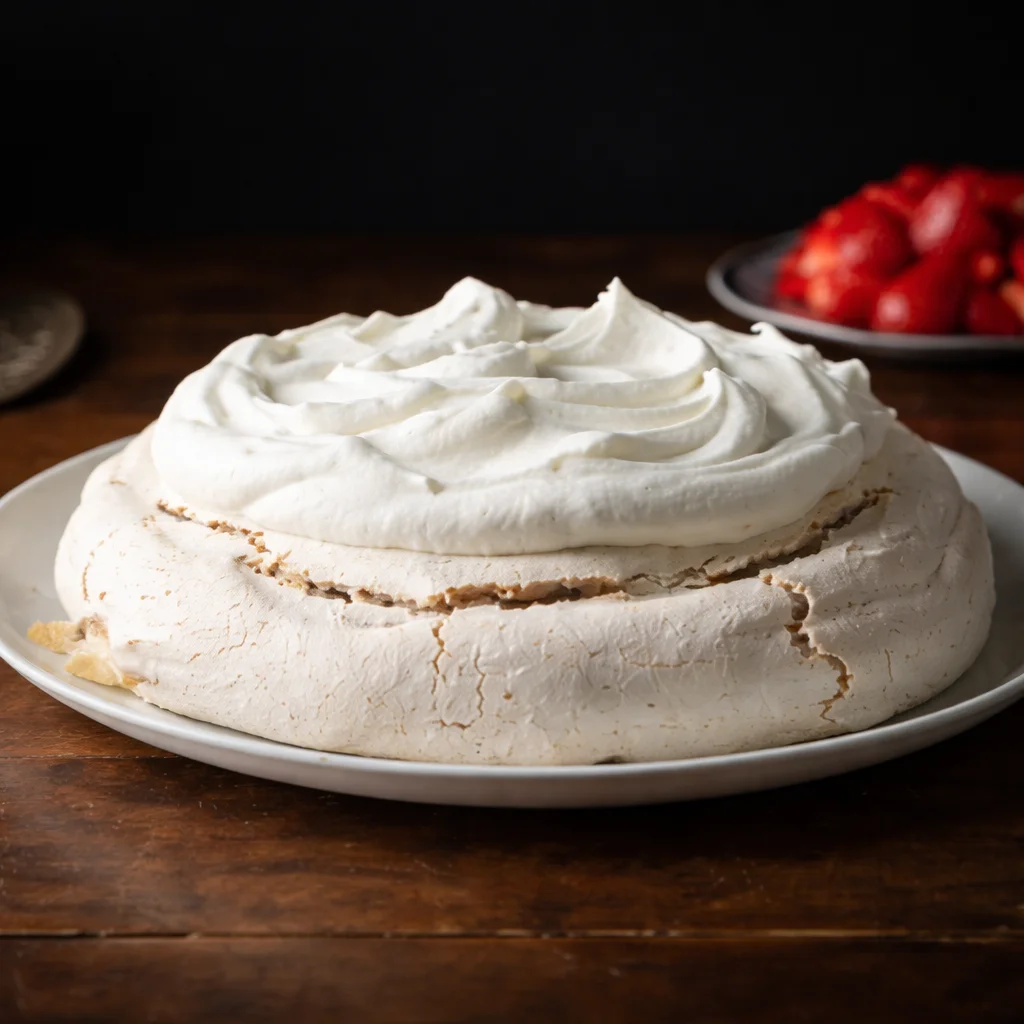
cream of tartar is one of those ingredients that sits quietly in the back of the pantry until a recipe suddenly demands it and you are like, wait, do I even own that? I used to scroll past it in the spice aisle because it sounded fancy and kind of old fashioned. Then I started baking more, especially anything with fluffy egg whites, and it became my little secret weapon. If your cookies spread too much, your meringue cries, or your snickerdoodles taste a bit flat, this might be the missing piece. Let me walk you through what it is, why it works, and exactly how I use it at home without making it a big complicated science lesson.
WHAT IS CREAM OF TARTAR?
Despite the name, cream of tartar is not creamy at all. It is a fine white powder that is actually an acid, and it is a byproduct of winemaking. When wine ferments, crystals can form in the barrels. Those crystals get collected, purified, and turned into the powder you see in the store.
In plain kitchen language, it is an ingredient that helps with stability. It keeps whipped egg whites from collapsing, helps prevent sugar from turning grainy, and gives certain baked goods a gentle tang. That tiny pinch you see in recipes is doing real work.
I keep a small jar in my baking bin because it lasts a long time and I do not use much at once. Just make sure it is stored in a cool, dry place with the lid on tight, because moisture is what makes powders clump and get annoying.
One more thing people always ask me is if it is gluten free. Yes, pure cream of tartar is naturally gluten free. The only time you would worry is if something is mixed with it, which is not common. If you are sensitive, check the label.
WAYS TO USE CREAM OF TARTAR IN YOUR RECIPES
This is the part where it gets fun, because once you know what it does, you start seeing opportunities for it everywhere. I use cream of tartar mostly in baking, but there are a couple other handy moments too.
My everyday uses (and what it actually fixes)
- Whipped egg whites: A pinch helps them get fluffy and hold their shape longer. Great for meringues and angel food cake vibes.
- Chewier cookies: In some cookie recipes, it can help prevent too much spreading and gives a subtle tang. That is why it shows up in snickerdoodles a lot.
- Smoother frostings and syrups: It can help reduce sugar crystals, so things feel silkier instead of gritty.
- Homemade baking powder: If you are out, you can mix it with baking soda and a starch. More on the ratios in the substitute section.
- Cleaning copper: Not a food thing, but yes, it can help polish copper when mixed with a little lemon juice. Just keep your food jar separate from your cleaning experiments.
Quick personal note: the first time I really noticed the difference was with whipped cream style toppings and mousse. If you love that airy, cloud-like texture, stabilizing ingredients matter. I have a dessert on my site that scratches that itch, and while it is not a cream of tartar tutorial, it is the kind of sweet treat where texture is everything: decadent creamy Biscoff mousse with whipped topping.
Also, if you make anything that depends on a smooth, creamy mouthfeel, you start appreciating little supporting ingredients. Even savory comfort food can have that same “why is this so good?” effect. This is totally different from baking, but it is one of my favorites when I want cozy dinner energy: best easy creamy seafood chili.
“I always skipped cream of tartar because I thought it was optional. I used it in my meringues like you suggested and they finally stayed tall and glossy. Total game changer.”
CREAM OF TARTAR SUBSTITUTE
If you are halfway through a recipe and realize you are out, do not panic. A substitute depends on why the recipe needs it. Most of the time it is there for acidity, so you want another acid.
Easy substitutes you probably already have
Here are the swaps I actually use when my pantry fails me:
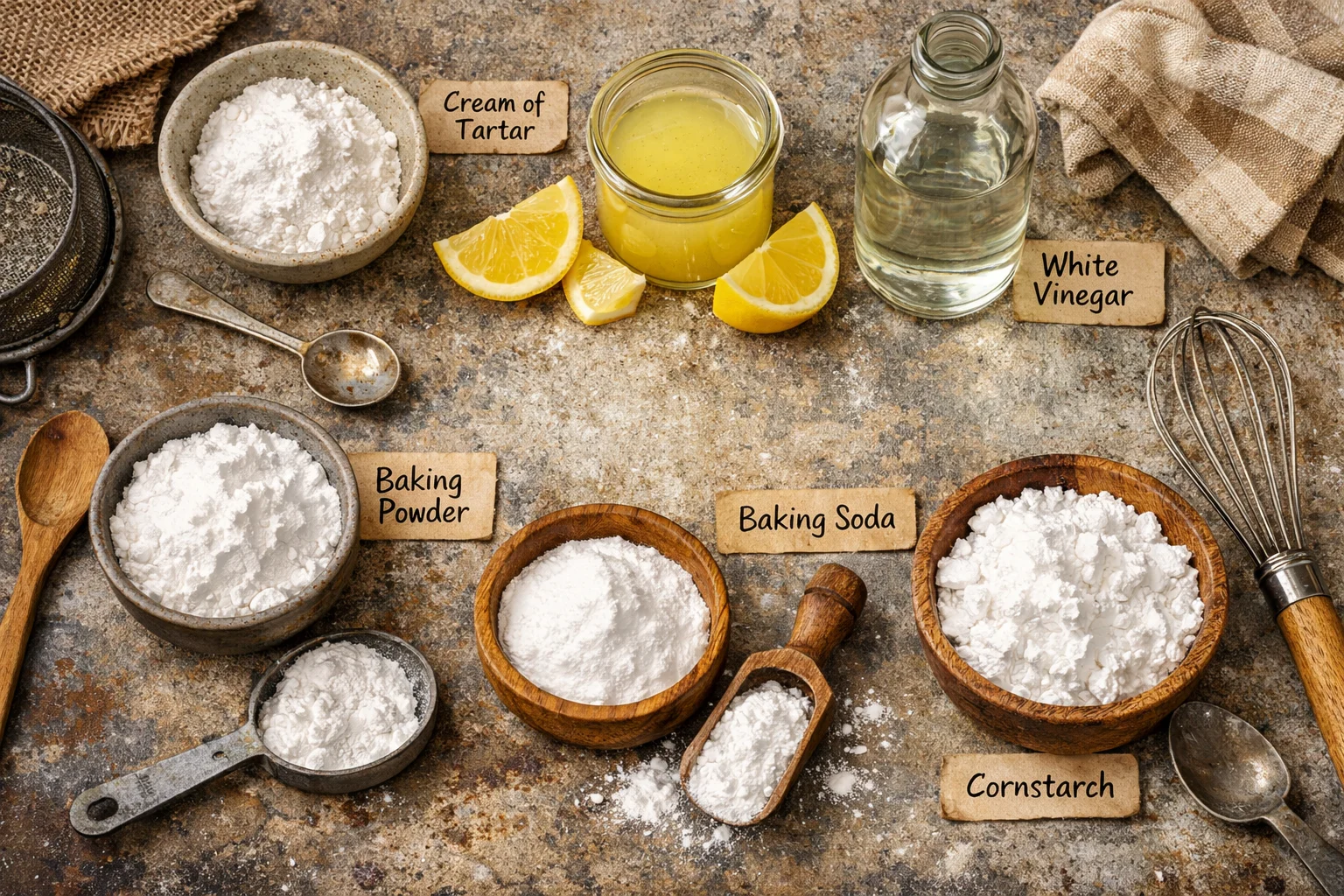
- Lemon juice: Use about 2 teaspoons of lemon juice for every 1 teaspoon of cream of tartar. Best for egg whites and some baked goods.
- White vinegar: Same general swap as lemon juice. It works, and you usually cannot taste it once baked.
- Baking powder: If the recipe needs cream of tartar as part of leavening, baking powder can sometimes replace both cream of tartar and baking soda, but the recipe may need adjusting.
For homemade baking powder, the common mix is: 2 parts cream of tartar, 1 part baking soda, 1 part cornstarch. That cornstarch helps keep it from clumping. I only mix small amounts because it is easy to make fresh.
One tip from my own mistakes: if a recipe calls for cream of tartar specifically to stabilize egg whites, lemon juice is usually the best stand in. Baking powder will not do the same job there.
CREAM OF TARTAR VS. BAKING SODA
These two get confused constantly, so let us make it simple. cream of tartar is an acid. Baking soda is a base. They are not the same, but they can work together.
When baking soda meets an acid plus moisture and heat, it creates bubbles. Those bubbles help things rise. That is why some recipes use both. The cream of tartar provides acid, the baking soda provides the base, and together they create lift.
So when do you use which?
- If your recipe has acidic ingredients like buttermilk, yogurt, lemon, or brown sugar, it may only need baking soda.
- If your recipe does not have much acid but still needs lift, it might use baking powder, or it might use baking soda plus cream of tartar.
- If your goal is stable whipped egg whites, cream of tartar is the star, not baking soda.
Also, please do not randomly swap them 1 to 1. I have done that in a rushed moment and ended up with a weird soapy taste. Not cute.
RECIPES FEATURING CREAM OF TARTAR
If you want to use it on purpose instead of only when a recipe forces you, here are some classic ways it shows up. These are the kinds of things I make when I want a guaranteed win, especially if I am baking for other people and I do not want surprises.
- Snickerdoodles: That signature tang and soft chew often comes from cream of tartar.
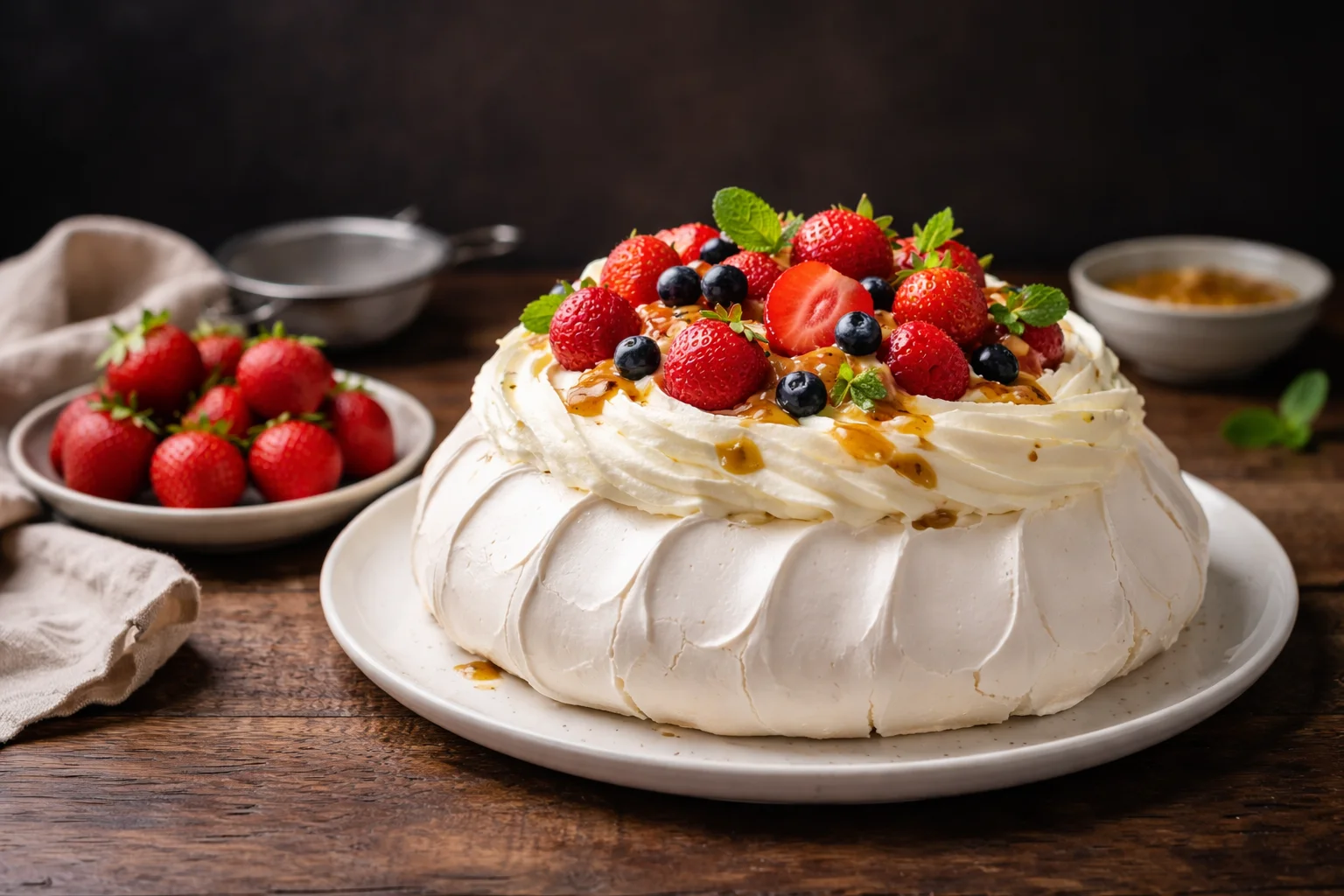
- Meringue cookies or pavlova: Helps keep the whites firm and glossy.
- Angel food cake: Supports the structure so the cake stays tall and light.
- Homemade playdough: Not edible, but parents love this one. It improves texture.
And even though cream of tartar is more of a baking pantry thing, I always think of it in the same “little upgrade” category as choosing the right creamy base for pasta bakes and casseroles. If you are in a comfort food mood, you might like this one too: Cajun cream cheese chicken pasta bake. Totally different ingredient list, but the same idea of using the right helpers to get the best texture.
Common Questions
Is cream of tartar the same as tartar sauce?
Nope. Not even close. Tartar sauce is a creamy condiment for fish. cream of tartar is a powdered baking ingredient.
Does cream of tartar go bad?
It lasts a long time if kept dry. It can lose a bit of strength over time, but it usually just clumps before it truly becomes unusable. If it smells off or looks discolored, replace it.
How much cream of tartar should I add to egg whites?
A common rule is about 1/8 teaspoon per egg white, or 1/4 teaspoon per 2 egg whites. You do not need much.
Can I skip cream of tartar in a recipe?
Sometimes yes, but expect changes. Meringues might be less stable, cookies might spread more, and candy or syrups might get grainy. If the recipe includes it for a specific reason, I try not to skip it.
Is cream of tartar safe to eat?
Yes, in normal recipe amounts. It is used in tiny quantities. Like anything, do not eat spoonfuls of it, and if you have kidney issues or need to watch potassium, ask your doctor.
A quick pantry pep talk before you bake
Once you understand what cream of tartar does, it stops feeling like a random dusty ingredient and starts feeling like a smart little backup plan for better texture. If you want to nerd out on the basics, you can read more about its real name on Potassium bitartrate – Wikipedia, or get a super clear baking focused overview from What Is Cream of Tartar? | Food Network. I also like the practical tips and swaps from What is Cream of Tartar: Uses, Substitutes and Recipes – McCormick when I am double checking ratios. Keep a small jar on hand, try it the next time you whip egg whites or bake snickerdoodles, and tell me if you notice that extra bit of lift and polish.
Cream of Tartar Uses and Substitutes
Ingredients
Method
- Add a pinch of cream of tartar to whipped egg whites to help them get fluffy and hold their shape.
- In cookie recipes, use cream of tartar to prevent spreading and add a tangy flavor.
- Mix cream of tartar with baking soda and cornstarch to create homemade baking powder.
- Use cream of tartar to clean copper when mixed with lemon juice.