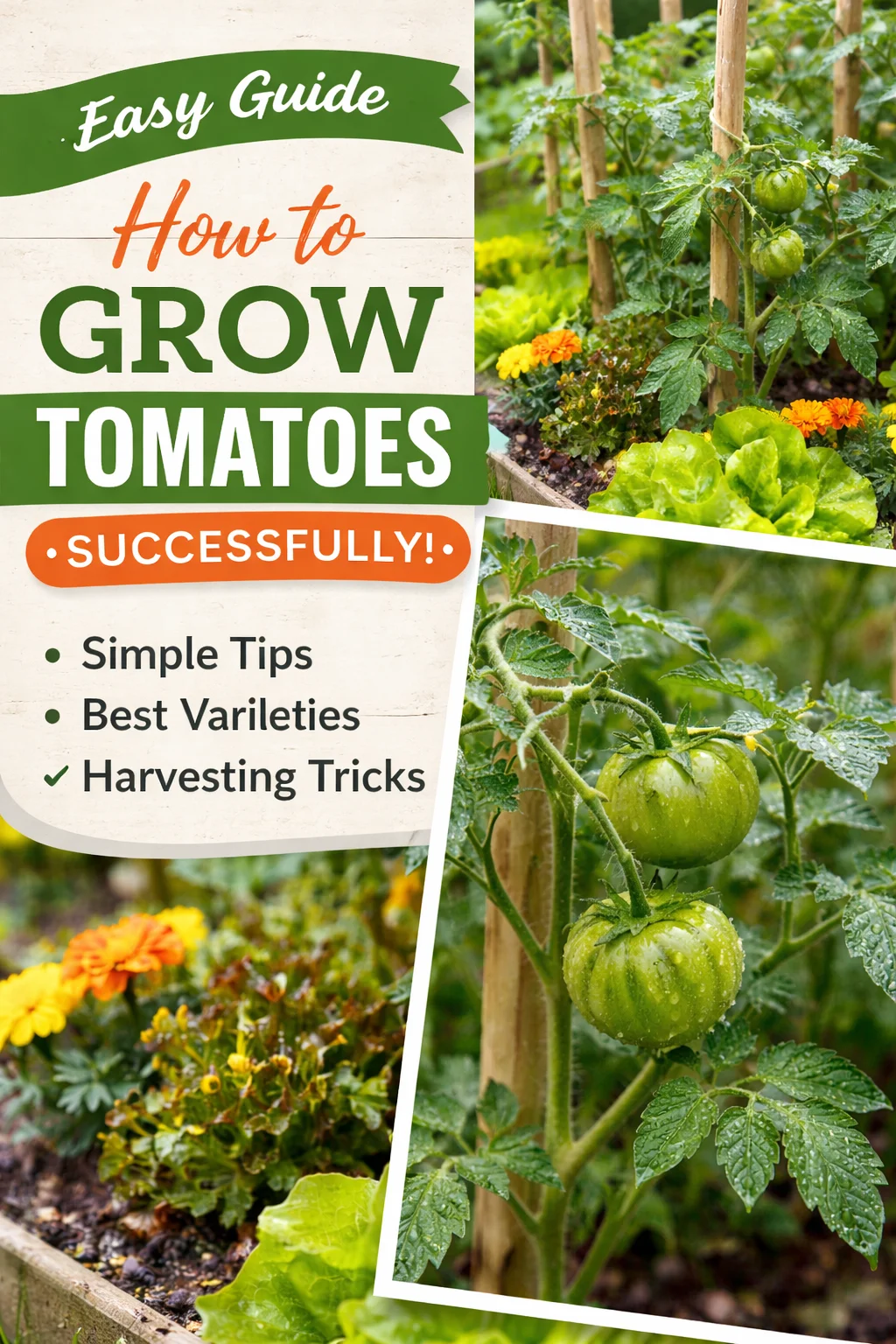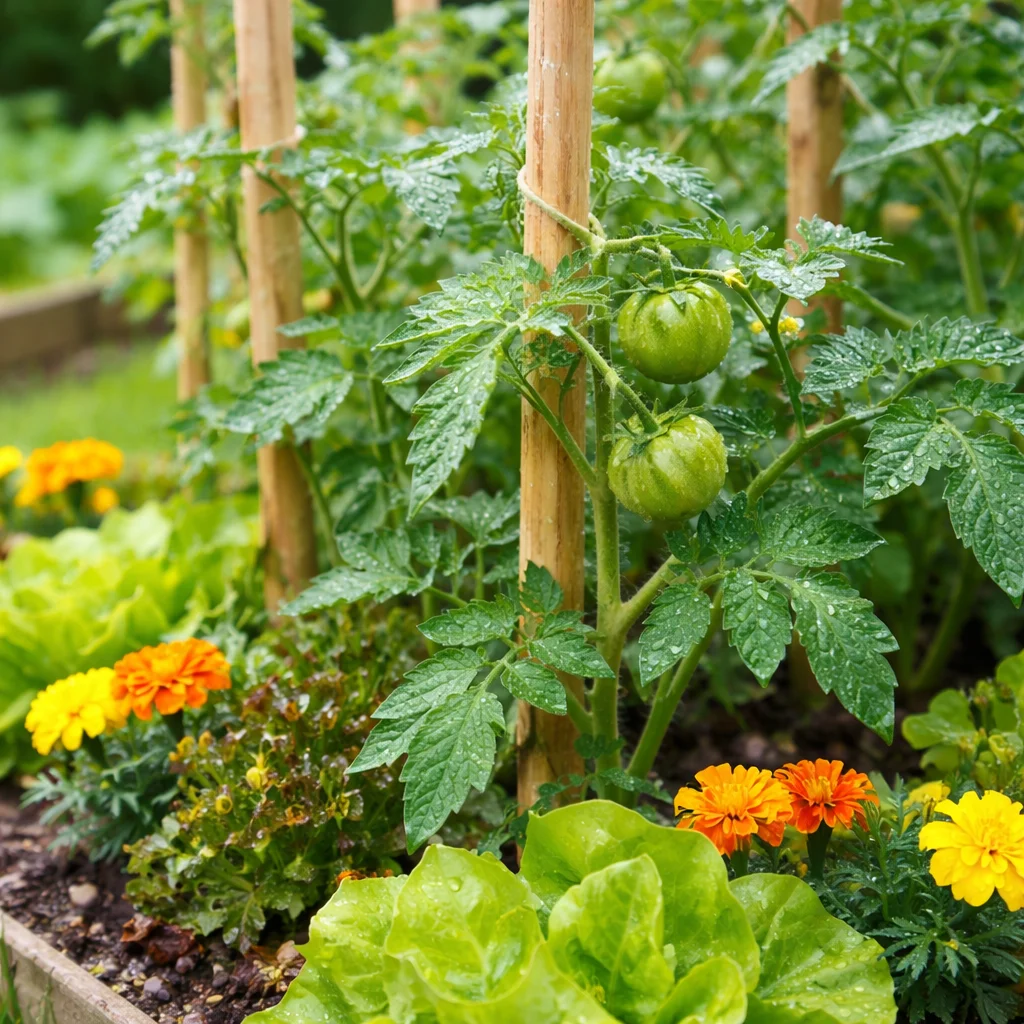
How to Start a Kitchen Garden from Scratch (Beginner Friendly Guide) is basically what I wish someone had handed me the first time I tried to grow my own dinner. I used to buy herbs, forget them in the fridge, and feel weirdly guilty tossing slimy parsley. If you have ever looked at a pack of basil and thought, I could totally grow this, you are in the right place. You do not need a big backyard, fancy tools, or gardening parents. You just need a tiny plan, a little patience, and the willingness to learn as you go.
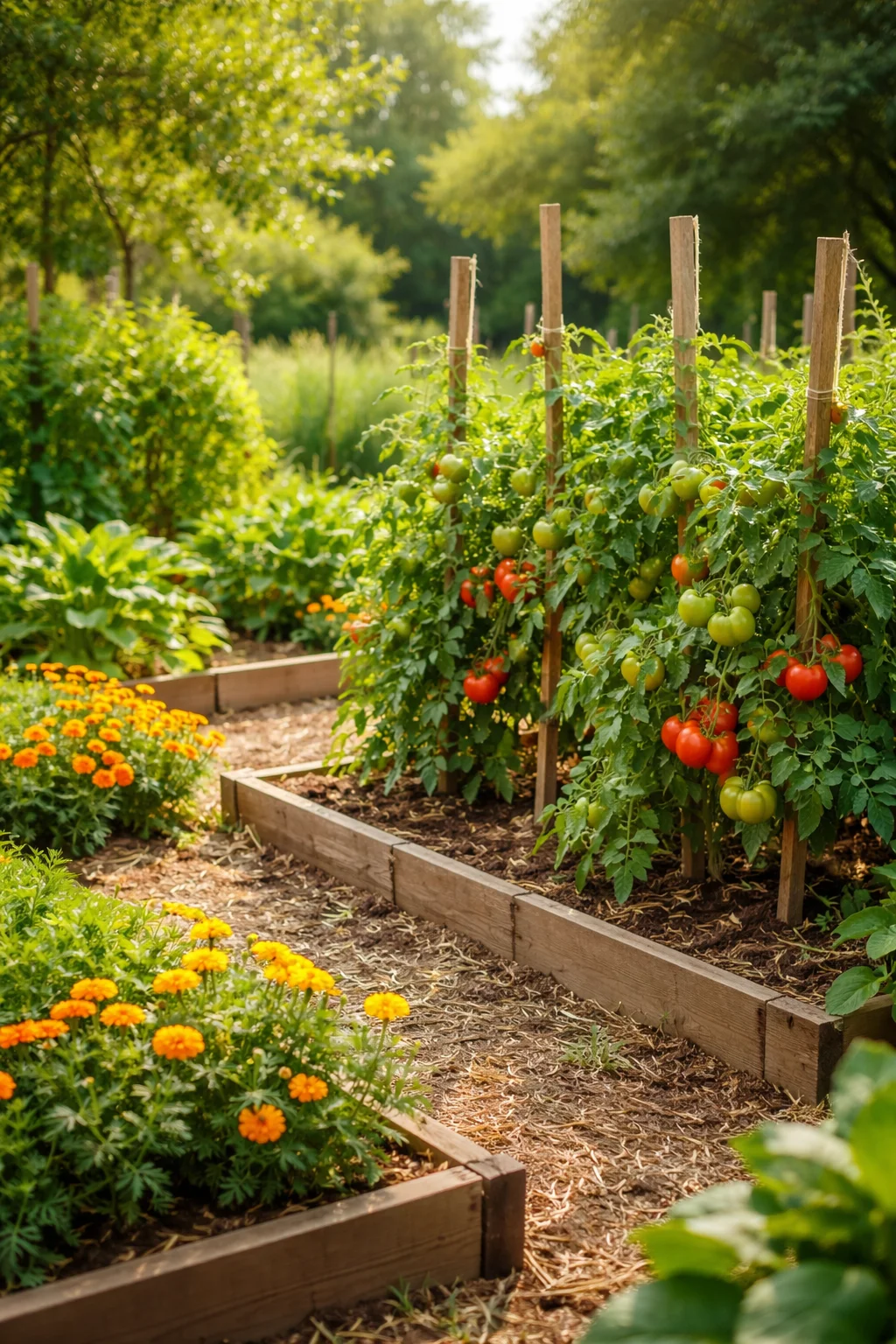
A Practical Guide to Planning, Planting, and Growing
When people ask me how to start a kitchen garden from scratch, I always say this first: start with what you actually cook. Not what looks cute on Pinterest, not what your neighbor grows, and not what you think you should like. If you make tacos every week, grow cilantro and jalapenos. If you live on salads, grow lettuce and cherry tomatoes.
Think of your kitchen garden like your favorite weeknight recipe. It works best when it fits your real life. I love the idea of eggplant, but I do not cook it often, so it would just take up space and judge me quietly. Meanwhile, I use green onions constantly, so those are my garden VIPs.
What you will need to get started
- Containers or a small patch of ground (pots, grow bags, raised bed, or a sunny corner)
- Good soil (potting mix for containers, or compost added to garden soil)
- Seeds or starter plants (starters are easier for beginners)
- Watering plan (a watering can, hose, or even a big cup works)
- Sunlight (most veggies want 6 to 8 hours)
One more little tip: label things. I once planted what I thought was basil, babied it for weeks, and it turned out to be a random flower mix from an old seed packet. Pretty, yes. Useful in pasta, no.
Also, if you are already dreaming about garden to table meals, you will probably love this cozy idea for using up fresh herbs and tomatoes: cherry tomato cheese bake with bread. It is the kind of thing you can throw together when the garden is giving you handfuls of goodness.
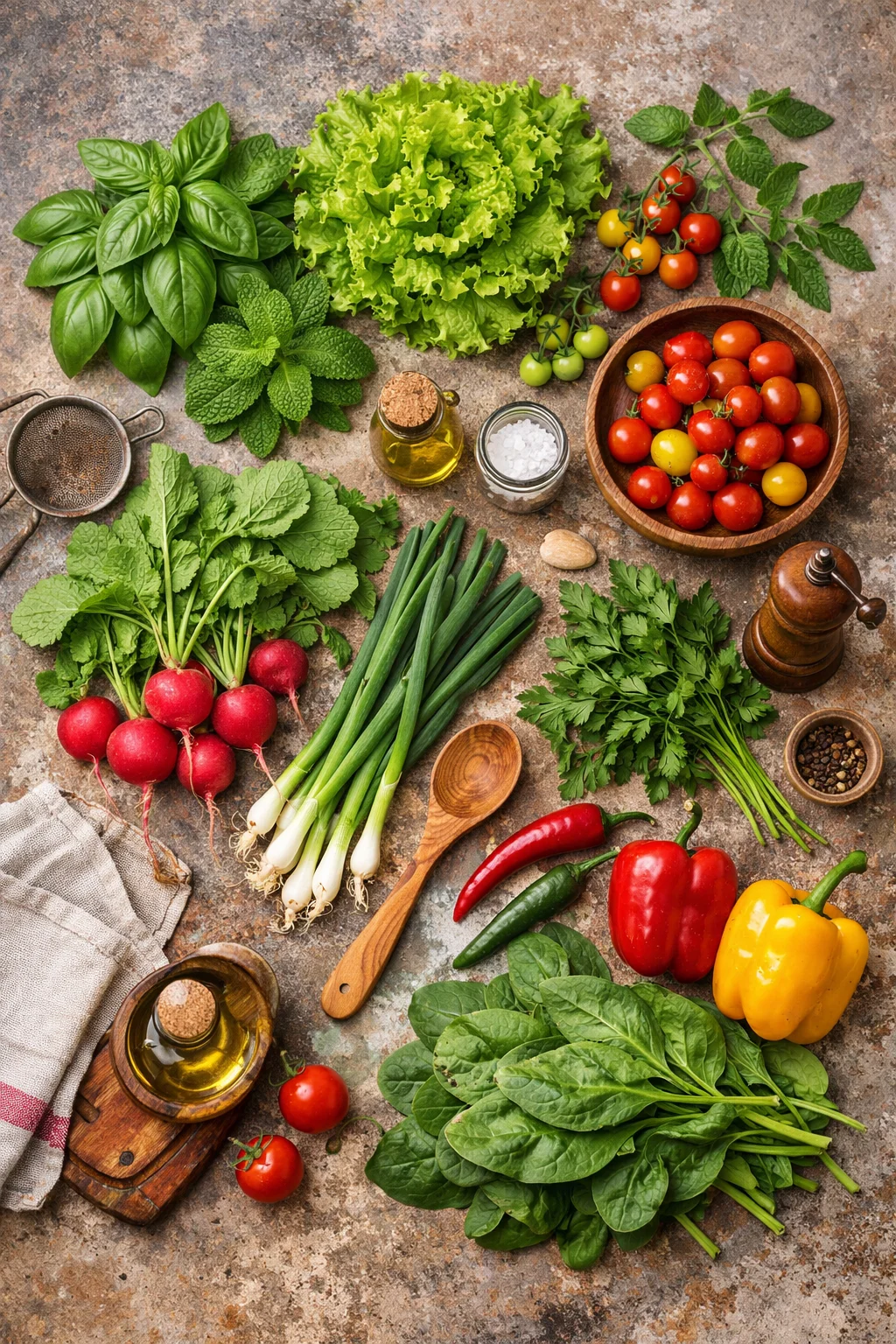
How to Start a Vegetable Garden in 5 Simple Steps
Ok, let us make this super doable. If you want to know how to start a kitchen garden from scratch without getting overwhelmed, follow these five steps and call it a win.
Five steps you can actually stick with
Step 1: Choose your top 3 to 5 plants. Pick the ones you eat most. Great beginner picks are basil, mint (in its own pot), lettuce, cherry tomatoes, radishes, and green onions.
Step 2: Decide container or in ground. Containers are forgiving. You can move them if the sun is weird. In ground is great too, but it is easier to overplant and then feel like you own a tiny farm.
Step 3: Get the right soil. This is not the place to be cheap. In containers, use potting mix. In ground, mix in compost. Plants are basically eating machines. Feed them well.
Step 4: Plant with spacing in mind. Seeds look tiny, but plants do not stay tiny. Read the back of the seed packet and believe it.
Step 5: Water consistently. Not flooding, not forgetting. Just consistent. If you are busy, set a reminder on your phone for the first few weeks.
I like to pair gardening with cooking because it keeps me motivated. When I harvest even a small handful of herbs, I immediately want to make something comforting. Lately I have been obsessed with anything potato based, and this baked potato situation is such an easy win when you have fresh chives or green onions to pile on top.
;
“I started with two pots on my apartment balcony and thought it would be a flop. Three months later, I am adding my own basil to pasta and I feel ridiculously proud every time.”
7 Beginner Mistakes to Avoid in Your First Vegetable Garden
This part is where I save you from the stuff I did wrong. Because yes, I have killed plants. I have also overwatered, underwatered, and once planted tomatoes in a spot that got about fifteen minutes of sun a day. They were basically living in a cave.
Here are the big mistakes to avoid if you are learning how to start a kitchen garden from scratch.
1) Starting too big. A giant garden sounds fun until you are out there every day feeling behind. Start small, then expand.
2) Ignoring sunlight. Most vegetables need lots of sun. Herbs can handle a bit less, but still, light matters.
3) Using random dirt. Soil is everything. If your plants are struggling, the answer is often better soil and compost.
4) Overwatering. This is the number one love to death problem. If the soil feels soggy, back off.
5) Planting mint with everything else. Mint is a sweet little bully. Keep it in its own pot unless you want mint to take over.
6) Not harvesting. Harvesting encourages growth. If you baby a plant but never pick from it, it can get leggy or slow down.
7) Forgetting pests happen. Check leaves weekly. If you see holes or sticky stuff, act early. A gentle soap spray can help, and sometimes you just pick bugs off. Gardening is not always glamorous.
And this is random but true: when you are cooking with garden veggies, handling them gently matters too. If you have ever made fritters with shredded zucchini or corn, you know texture can be tricky. This guide on how to keep fritters from falling apart is a lifesaver when your garden is producing and you want to use it without a dinner meltdown.
Pick the Right Location
If there is one thing that makes or breaks a garden, it is location. Sun is the big deal. Before you plant anything, watch your space for a day. Morning sun, afternoon sun, shade from trees or fences, all of it matters.
Most veggies love full sun. That means around 6 to 8 hours of direct light. If you do not have that, do not panic. You can still grow plenty of herbs, leafy greens, and even some root veggies with less.
Here is what I look for:
Sunlight: As much as you can get. If it is a balcony, the brightest corner wins.
Water access: If watering feels annoying, you will skip it. Place pots near a spigot or keep a watering can ready.
Drainage: Containers need holes. Garden beds should not stay puddly after rain.
Convenience: The closer it is to your kitchen, the more you will use it. I swear, being able to snip herbs five steps from the door changes everything.
One more personal tip: if you have pets, plan around them. My friend tried to grow lettuce at ground level and her dog treated it like an all you can eat salad bar. Containers saved the day.
A Starter Beginner Garden Plan
This is the part that makes you feel like you actually know what you are doing. A plan does not need to be fancy. It just needs to be realistic. If you are still figuring out how to start a kitchen garden from scratch, try this simple setup for the first season.
Option 1: The 3 container starter plan
1 pot: basil or parsley
1 pot: lettuce or spinach
1 pot: cherry tomato (one plant per pot, with a stake or cage)
Option 2: The small bed plan (about 4 by 4 feet)
Back row: 1 to 2 tomato plants
Middle: peppers or bush beans
Front: lettuce, radishes, and herbs
I also love adding green onions because they are so beginner friendly. You can even regrow them from scraps. Just stick the root end in water for a few days, then plant it. It feels like a magic trick.
Keep a tiny notebook or a note on your phone with:
Planting date
When you watered
What worked and what did not
This is how you build real confidence fast.
And when your garden starts producing, it is honestly the best feeling. Even something simple like a toasted sandwich tastes better with homegrown tomato slices. If you want a fun diner style dinner night, this how to make a patty melt guide is great, especially with fresh lettuce on the side.
Common Questions
Do I need seeds or starter plants?
Starter plants are easier for beginners because they give you a head start. Seeds are cheaper and fun, but they need more patience and consistent watering.
How often should I water?
It depends on heat, sun, and container size. In summer, pots can need water daily. In cooler weather, maybe a few times a week. Stick your finger in the soil. If the top inch is dry, water.
What is the easiest thing to grow in a kitchen garden?
Herbs like basil and parsley, leafy greens like lettuce, and fast growers like radishes are great. Green onions are also super forgiving.
Can I grow vegetables indoors?
Yes, but you need strong light. A sunny window can work for herbs, but many veggies need a grow light to really thrive.
How long until I can harvest something?
Some herbs can be snipped in a few weeks. Radishes can be ready in about a month. Tomatoes take longer, usually a couple of months or more, but they are worth the wait.
A little pep talk before you plant
If you have been wondering how to start a kitchen garden from scratch, the real secret is starting small and staying consistent. Pick a sunny spot, choose a few plants you truly eat, and focus on good soil and steady watering. If you want extra beginner help, I like this resource on How to Start a Vegetable Garden (Beginner’s Step-by-Step Guide), and this one on A Beginner’s Guide To Starting Your Kitchen Garden is a comforting read when you need a confidence boost. Now go plant something you will actually cook with, and treat it like your next favorite recipe in progress.