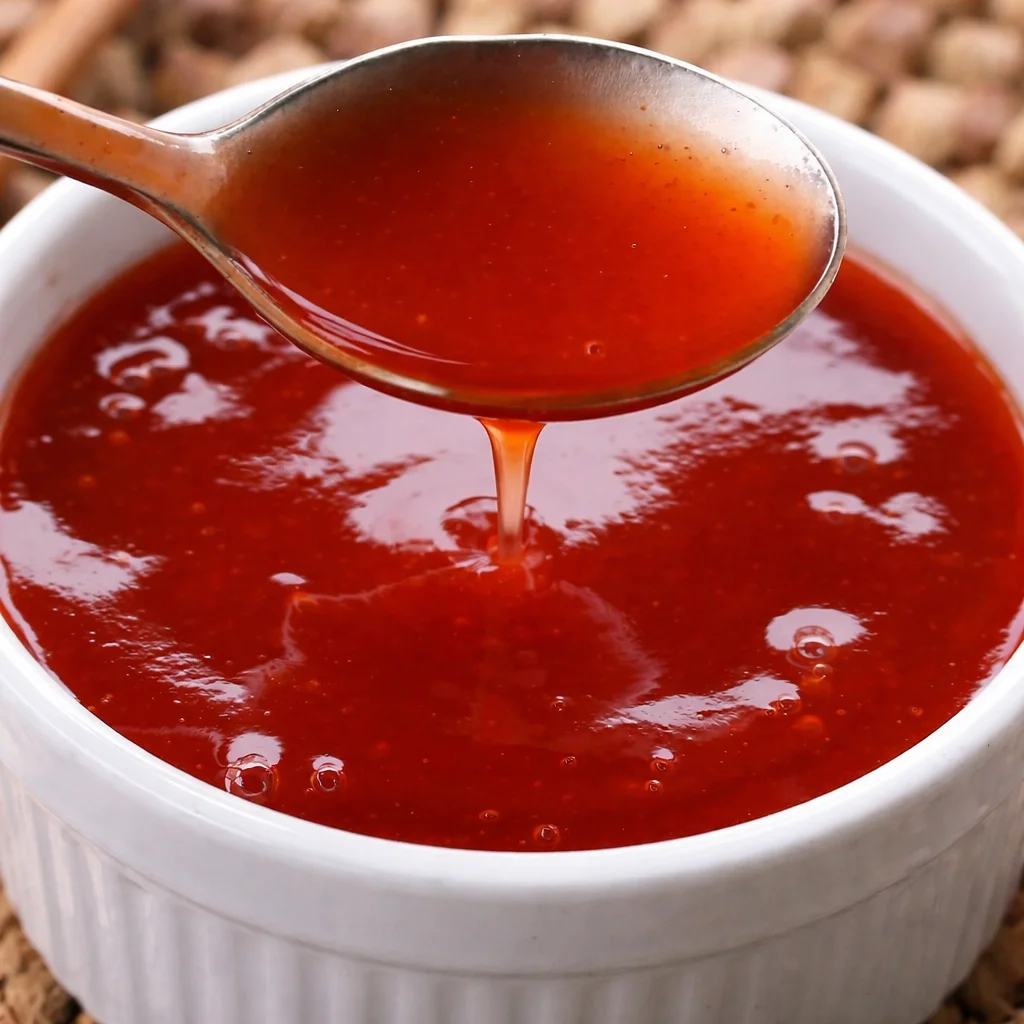
sweet and sour sauce is one of those little kitchen tricks that makes dinner feel exciting, even when you are just reheating leftovers or throwing together a quick stir fry. I used to buy the bottled stuff and honestly, it was fine, but it always tasted a bit flat or weirdly neon. The first time I made it at home, I was shocked by how fast it came together and how much fresher it tasted. Now I keep the ingredients around because it saves boring chicken, plain rice, and even sad freezer appetizers. If you have ever wished you could get that takeout vibe without ordering delivery, you are in the right place.
Key Benefits and Advantages
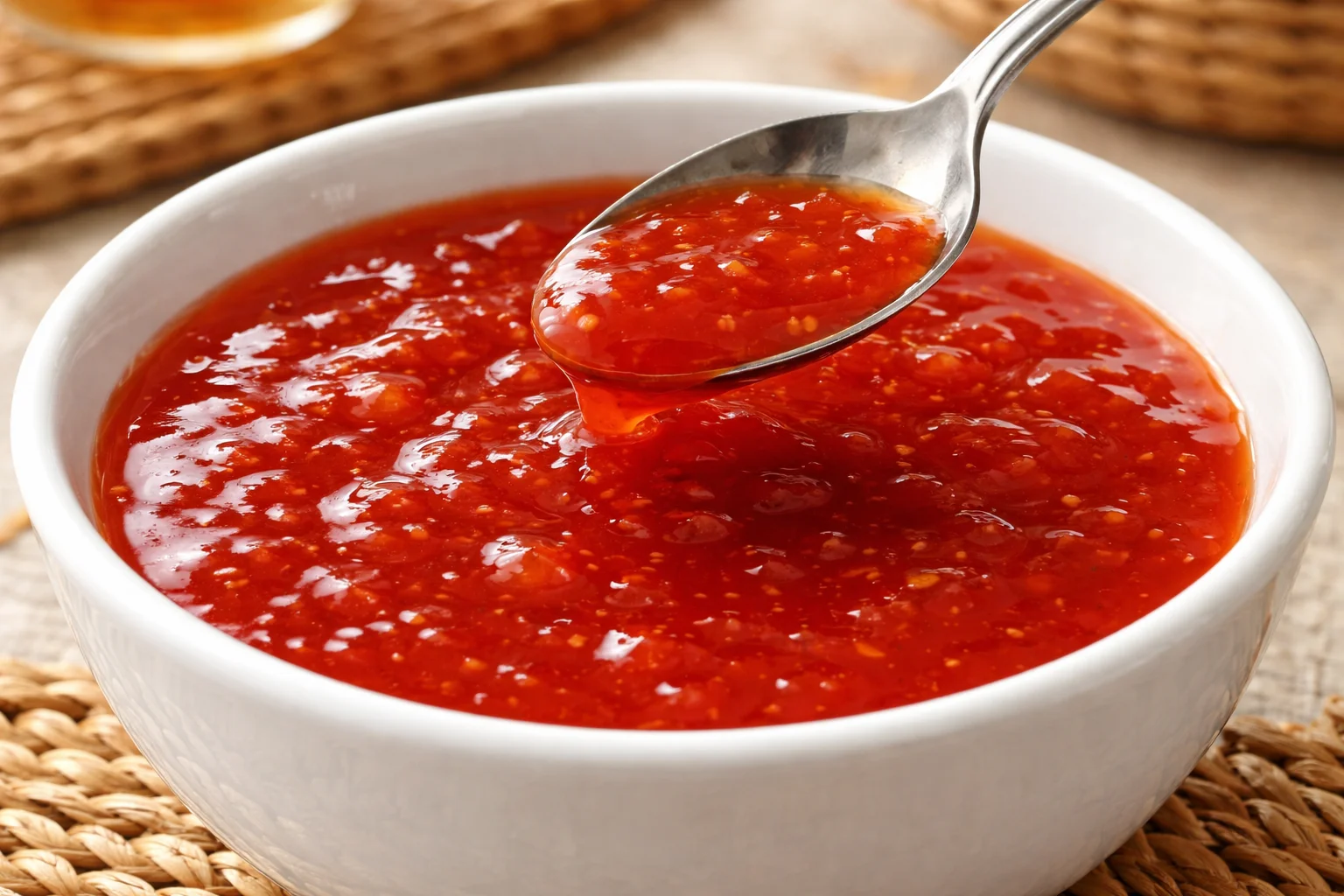
Let us talk about why homemade sweet and sour sauce is totally worth the five minutes it takes. First, you control everything, which means you can make it more tangy, more sweet, or less sugary depending on what you like. Second, it tastes like real food, not like a candy coating with a mystery aftertaste.
Here are my favorite perks, straight from my own weeknight routine:
- Fast: it comes together in about 10 minutes, including thickening time.
- Flexible: works for chicken, shrimp, tofu, meatballs, roasted veggies, and even as a dipping sauce.
- Budget friendly: pantry staples, no special trip to the store.
- Easy to adjust: you can dial up the tang or keep it mellow for picky eaters.
- Meal prep friendly: keeps well in the fridge so you can use it all week.
I also love how this sauce makes simple meals feel planned. Like if you are already making tacos one night, try something totally different the next night with a sauce change. For example, I will do a meatless dinner like these black bean sweet potato tostadas one day, then use sweet and sour sauce with crispy tofu the next. Same level of effort, totally different vibe.
How to Get Started
This is the part where I promise you it is not complicated. You just whisk, simmer, and thicken. The biggest thing is using a pot small enough that the sauce depth is not super thin, because it thickens more evenly that way.
What you will need
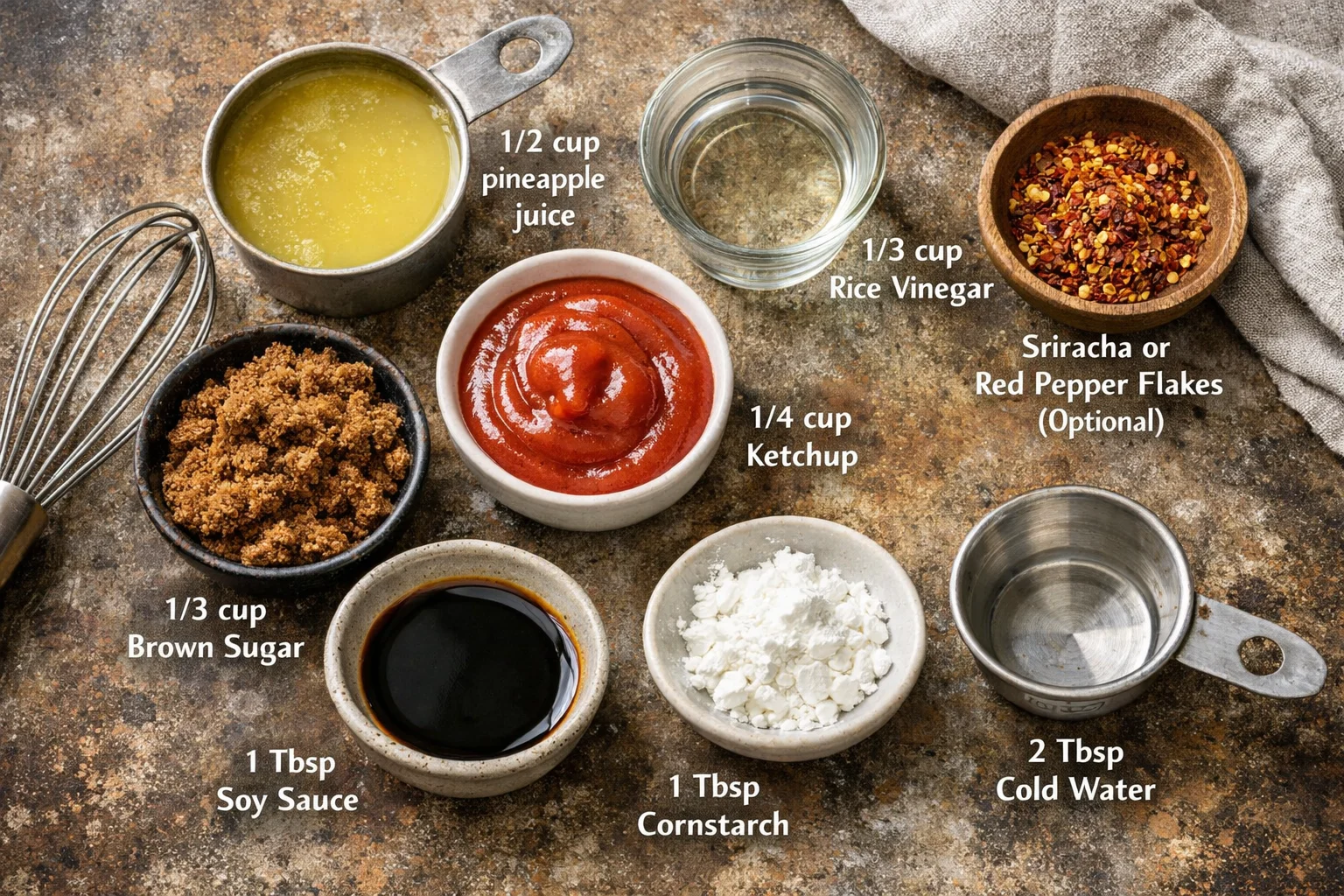
- 1/2 cup pineapple juice (canned or from a juice carton is fine)
- 1/3 cup rice vinegar (or apple cider vinegar if that is what you have)
- 1/4 cup ketchup
- 1/3 cup brown sugar (light or dark both work)
- 1 tbsp soy sauce
- 1 tbsp cornstarch
- 2 tbsp cold water
- Optional: 1 to 2 tsp sriracha or a pinch of red pepper flakes
Simple directions
1) In a small saucepan, whisk pineapple juice, vinegar, ketchup, brown sugar, and soy sauce.
2) Set it over medium heat and bring it to a gentle simmer. Give it a stir every so often so nothing sticks.
3) In a small cup, stir cornstarch with cold water until smooth. This part matters because dumping dry cornstarch straight in can clump.
4) Slowly pour the cornstarch slurry into the simmering sauce while whisking. Keep whisking for about 30 to 60 seconds.
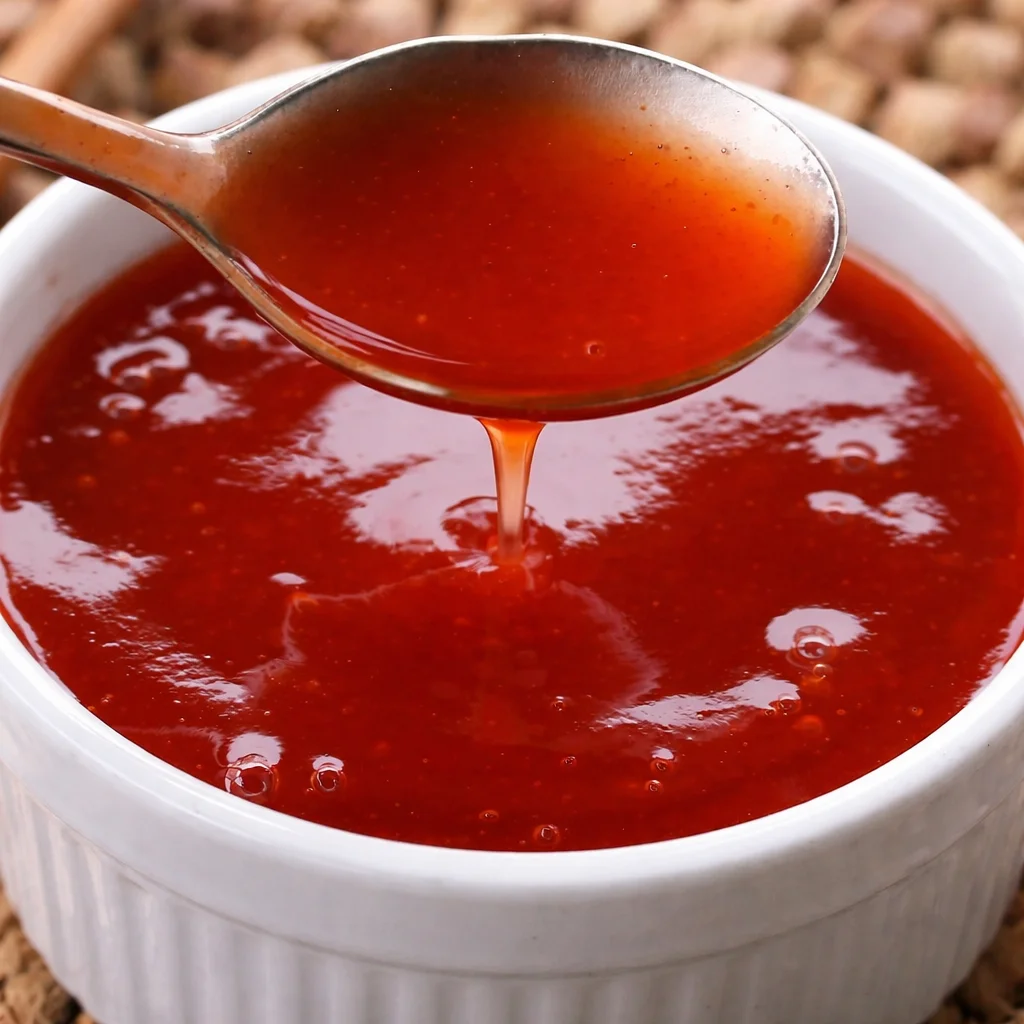
5) Let it simmer for another 1 to 2 minutes until it looks glossy and coats a spoon. That is it. Your sweet and sour sauce is ready.
If you are wondering what to serve it with first, I love it with salmon too. This is a fun weeknight combo if you are in a fish mood: bake salmon simply, then do a drizzle of sweet and sour on the side for dipping. And if you want another salmon idea for a different night, this baked cajun salmon with avocado lime sauce is a totally different flavor direction and really good.
;
Common Mistakes to Avoid
I have made every mistake on this list so you do not have to. The good news is that sweet and sour sauce is pretty forgiving, and most problems are easy to fix.
Mistake 1: Boiling it hard. If you crank the heat, the sauce can reduce too fast and end up too sticky or even slightly burnt tasting. Keep it at a gentle simmer.
Mistake 2: Adding cornstarch wrong. Cornstarch needs cold water first. Warm water can make it clumpy, and adding it dry is basically asking for lumps.
Mistake 3: Not tasting before you thicken. Once it thickens, flavors feel stronger. Taste it while it is still thin and adjust. More vinegar for tang, more sugar for sweetness, or a tiny splash of soy sauce for depth.
Mistake 4: Using only ketchup and sugar. That is how you get the one note cafeteria taste. The pineapple juice and vinegar are what make it bright and balanced.
Mistake 5: Forgetting it thickens as it cools. If it looks a little loose in the pot, wait a couple minutes. It usually tightens up on its own.
“I made this for chicken nuggets for my kids and ended up spooning it over my own rice bowl. It tasted like real takeout sauce, not bottled. I am never going back.”
Expert Tips and Best Practices
I am not a professional chef, but I have made this enough times to have opinions. These little tweaks help you get that bold, craveable flavor without making it fussy.
Make it taste like you meant to
Use rice vinegar if you can. It is softer than white vinegar, so the tang tastes clean instead of harsh. If all you have is apple cider vinegar, that works too, and it gives a slightly fruity edge that still plays nice with pineapple.
Add garlic if your dish needs it. If I am tossing this with chicken and peppers, I will sometimes add 1 small minced garlic clove to the simmering base. It makes it taste more savory and less like a dip.
For thicker sauce: add a tiny bit more slurry, like 1 extra teaspoon cornstarch mixed with 1 teaspoon water. Do not just dump more cornstarch in the pot.
For a lighter sauce: use a little less brown sugar or swap in honey. It will change the flavor slightly but still tastes great.
Batch it for the week. Double the recipe and keep it in a jar. I use it on quick lunches like rice bowls, or as a dip for air fried anything.
Also, if you are the kind of person who loves sauces in general, you might enjoy browsing my favorite saucy ideas in this sauces collection. I fall into phases where I want a new drizzle or dip for everything, and this is where I keep my go to options.
One more serving idea that is oddly perfect: sweet and sour sauce on a crispy chicken sandwich. I know it sounds a little chaotic, but it works, especially if the chicken has a crunchy coating. If you want a solid sandwich base, this crispy dill chicken sandwich with homemade aioli is the kind of thing that makes you feel like you got lunch out, even if you ate it standing at the counter.
Resources for Further Learning {video_youtube}
If you want to compare styles and see how different cooks balance sweet and tang, it can be helpful to look at a couple versions. Some people like it more ketchup forward, some like it more pineapple forward, and some go heavy on vinegar for that sharp takeout bite.
Here is what I suggest for learning without getting overwhelmed:
- Make my base recipe once exactly as written so you know what the “middle ground” tastes like.
- Next time, tweak only one thing, like adding more vinegar or reducing sugar.
- Keep notes in your phone. Seriously. You will forget what you changed.
Once you have your favorite balance, sweet and sour sauce becomes a repeat player in your kitchen. It is one of those simple recipes that makes you feel weirdly capable on a tired Tuesday night.
Common Questions
Can I make sweet and sour sauce without pineapple juice?
Yes. Orange juice or apple juice works in a pinch. It will taste different, but still good. If you use orange juice, add a touch more vinegar to keep the tang.
How long does it last in the fridge?
In a sealed jar, it is usually great for about 7 days. If it thickens too much after chilling, warm it gently with a splash of water.
Can I freeze it?
You can, but cornstarch thickened sauces sometimes change texture after thawing. It is not unsafe, just a little less smooth. I prefer making a fresh batch since it is so quick.
How do I make it less sweet?
Start by cutting the brown sugar by 2 tablespoons. You can also add a little extra vinegar or soy sauce to balance it without making it harsh.
What is the best way to use it for dinner?
Toss it with crispy chicken and bell peppers, pour it over rice, or use it as a dip for egg rolls and nuggets. It is also surprisingly good brushed on grilled skewers.
A sweet finish and a nudge to try it
If you try this sweet and sour sauce once, you will see how easy it is to make your dinners feel more fun with basically no extra effort. Keep it gentle on the heat, taste as you go, and remember it thickens more as it cools. If you want to explore other approaches, I have bookmarked the BEST Sweet and Sour Sauce – The Daring Gourmet for its classic takeout style flavor, and the Sweet and Sour Sauce Recipe – Allrecipes for a simple, familiar version. Now go grab a saucepan and make it, because your next plate of chicken and rice is about to get a whole lot less boring.
Sweet and Sour Sauce
Ingredients
Method
- In a small saucepan, whisk together pineapple juice, vinegar, ketchup, brown sugar, and soy sauce.
- Set the saucepan over medium heat and bring it to a gentle simmer, stirring occasionally.
- In a small cup, stir cornstarch with cold water until smooth.
- Slowly pour the cornstarch slurry into the simmering sauce while whisking continuously for about 30 to 60 seconds.
- Allow the sauce to simmer for another 1 to 2 minutes until it looks glossy and coats the back of a spoon.