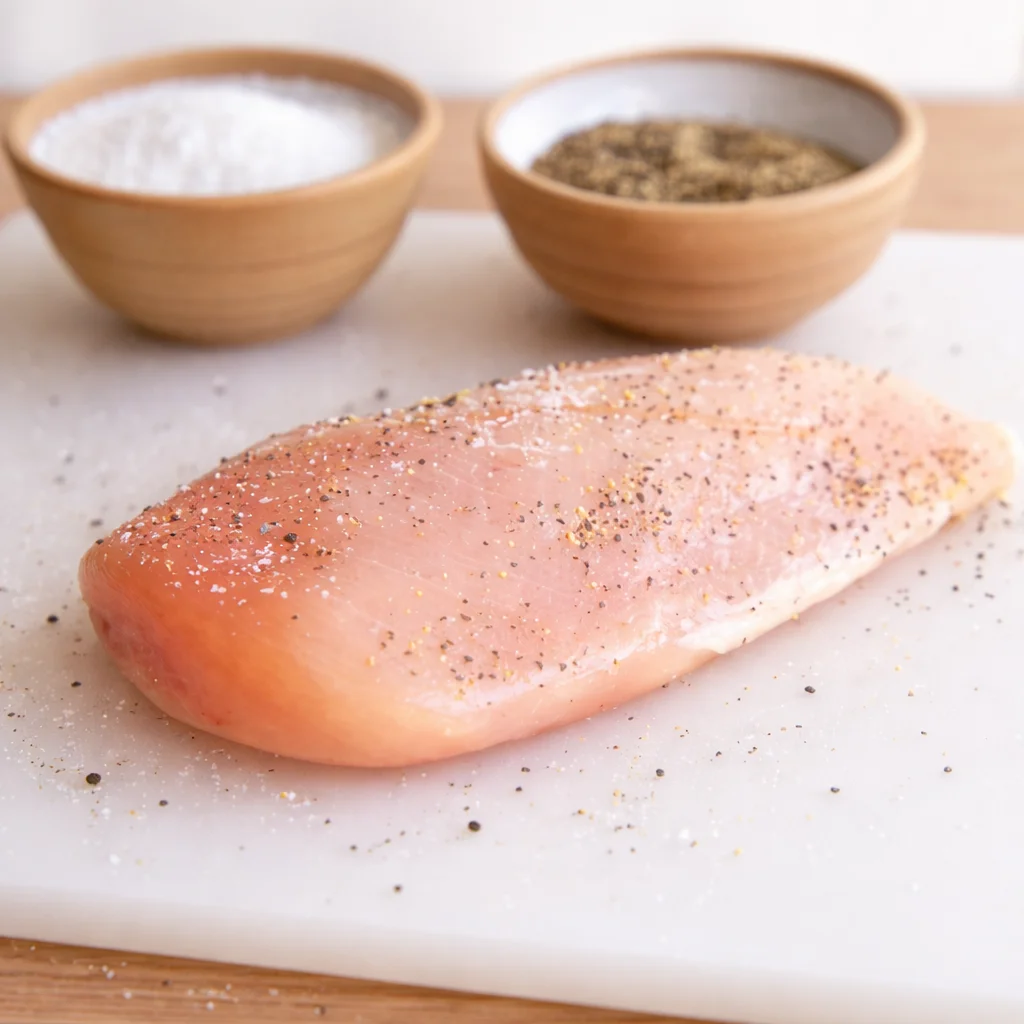
how to cook chicken is one of those things that sounds basic until you’re standing at the stove, hoping it won’t turn out dry, rubbery, or weirdly bland. I’ve been there, especially on busy weeknights when you just want dinner to work. Chicken breasts can be a little dramatic if you treat them like a thick steak and blast them with heat. But once you know a few simple tricks, you can cook chicken like a pro without any fancy tools. I’m going to walk you through what actually helps, what to skip, and the exact skillet method I use when I want juicy chicken fast.
Why Youll Love It
I love chicken breasts because they’re quick, budget friendly, and they play nice with basically any flavor you’re craving. When you get them right, they’re tender and juicy, not that sad dry chicken that needs a gallon of sauce to survive.
These tricks are the same ones I use whether I’m meal prepping for the week or cooking for people I want to impress a little. And yes, once you nail this, you’ll find yourself making chicken way more often because it stops feeling like a gamble.
- Fast: dinner can be on the table in about 20 minutes
- Flexible: works with salads, pasta, rice bowls, and sandwiches
- Beginner friendly: no complicated steps, just smart ones
- Great leftovers: slice it cold for wraps or reheat gently
If you’re also the type who worries about food safety and leftovers, I keep a handy guide bookmarked for how long chicken spaghetti is good in the refrigerator because it answers the exact questions I always second guess.
;
The Key to Moist and Tender Chicken Breasts
This is the part most people skip, then they wonder why their chicken tastes like drywall. The key is not one magical ingredient. It’s a small combo of thickness, heat control, and timing.
Start by making the chicken an even thickness
Chicken breasts are usually thick on one side and thin on the other. If you cook it as is, the thin end overcooks while the thick end is still trying to catch up. I do one of two things:
Option 1: Slice the breast in half horizontally to make cutlets.
Option 2: Put it in a zip top bag and gently pound it until it’s about the same thickness all over.
You don’t have to go full rage mode with a meat mallet. Even a small saucepan works. Just keep it gentle so you don’t tear the meat.
Don’t skip the rest time
This is the simplest “pro” trick I know. When the chicken is done, put it on a plate and let it rest 5 minutes before slicing. Those juices settle back in instead of spilling all over the cutting board. If you slice too early, you’re basically draining your own dinner.
Also, try not to cook chicken straight from the fridge if it’s super cold. Let it sit out for 10 to 15 minutes while you prep seasoning. It cooks more evenly.
“I used to avoid chicken breasts because they always came out dry. I tried the even thickness trick and let them rest, and wow. Mine were actually juicy for the first time.”
One more thing: if you want a super cozy meal after you master this, you’ll probably love chicken tortellini soup. Tender chicken in a soup is basically the ultimate reward for learning how to cook it right.
Helpful Tips
These are the little things I’ve learned after cooking a lot of chicken and messing it up enough times to get humbled. They make a bigger difference than you’d think.
- Pat it dry first: moisture on the surface blocks browning. Use paper towels.
- Use medium to medium high heat: too high burns the outside before the inside is ready.
- Use the right pan: a heavy skillet helps you get a nice golden crust.
- Don’t crowd the pan: cook in batches if you need to. Crowding causes steaming.
- Use a thermometer if you can: pull chicken at 165 F. It takes out the guesswork.
- Slice against the grain: it makes each bite feel more tender.
If you love that sweet smoky vibe on chicken, keep this one in your back pocket: chipotle honey chicken thighs with smoked gouda mashed potatoes. It’s a totally different cut, but the same “don’t overcook it” rule applies.
How to Cook Chicken Breasts in a Skillet
This is my go to method because it’s fast, it gives you great flavor, and it doesn’t heat up the whole kitchen like the oven can. When people ask me how to cook chicken like a pro, this skillet routine is honestly what I’m thinking of.
My simple skillet method (step by step)
Here’s exactly what I do for two medium chicken breasts:
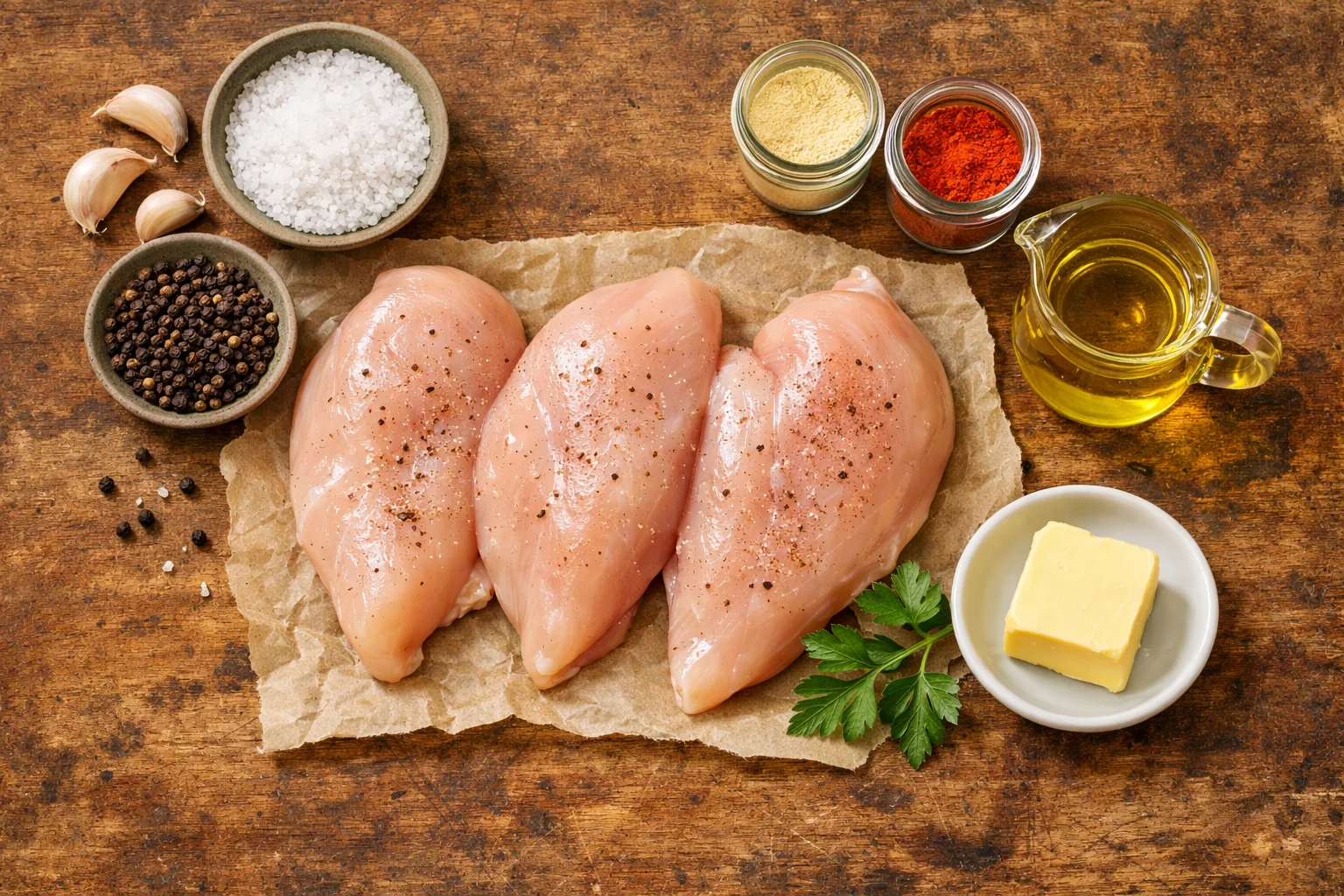
What you will need: chicken breasts, salt, pepper, garlic powder, paprika (optional but great), a little oil (olive or avocado), and a small pat of butter (optional but so good).
- 1) Pat the chicken dry, then flatten to even thickness.
- 2) Season both sides well with salt and pepper. Add garlic powder and paprika if you want more flavor.
- 3) Heat a skillet over medium to medium high heat. Add about 1 tablespoon oil.
- 4) Add chicken and don’t touch it for about 5 to 6 minutes. Let it get golden.
- 5) Flip, then lower the heat slightly. Cook another 5 to 7 minutes depending on thickness.
- 6) If you’re using butter, add it during the last minute and spoon it over the chicken.
- 7) Check for 165 F in the thickest part, then rest 5 minutes before slicing.
A quick note: if the chicken is browning too fast, your heat is too high. Turn it down and give it time. If it’s pale and looks like it’s sweating, turn it up a little.
This is also a good time to remind you that “set it and forget it” does not apply to chicken. Stay nearby, use your senses, and trust the timing.
How to Season Chicken Breasts
Seasoning is where you can make chicken feel exciting without doing anything complicated. The big mistake is under seasoning. Chicken is mild, so it needs a little help. And salt is not optional if you want it to taste like something.
Easy seasoning ideas you can mix and match
I keep a few “moods” on rotation depending on what I’m serving with it.
- Classic: salt, pepper, garlic powder, onion powder
- Smoky: salt, pepper, paprika, pinch of cumin
- Herby: salt, pepper, Italian seasoning, garlic powder
- Bright: salt, pepper, lemon zest, dried oregano
- Spicy: salt, pepper, chili powder, paprika, tiny pinch of cayenne
If I’m doing a pasta night, I lean herby and garlicky. If I’m doing rice bowls, smoky is the move. And if I’m slicing chicken for salads, I love adding lemon at the end so it tastes fresh.
Also, a quick confession: sometimes I’m not in the mood to think, so I use a store bought seasoning blend. Just taste it first because some are super salty.
Common Questions
Q: How do I know when chicken breasts are done without cutting them open?
A: A thermometer is the easiest answer. Pull at 165 F in the thickest part. If you don’t have one, press the center. It should feel firm but still a little springy, not hard.
Q: Why do my chicken breasts turn out dry even when they’re cooked through?
A: Usually they’re overcooked or too thick in the center. Flatten them first, watch the heat, and rest them before slicing. Those three fix most problems.
Q: Can I cook frozen chicken breasts in a skillet?
A: I don’t recommend it. The outside can overcook while the inside stays underdone. Thaw in the fridge overnight if you can.
Q: Should I marinate chicken breasts?
A: You can, and it helps with flavor. Even 30 minutes in the fridge helps. But you can still get great results with a simple seasoning and the right cooking method.
Q: What’s the best way to reheat cooked chicken without drying it out?
A: Low and slow. Add a splash of water or broth, cover, and warm gently in a skillet. The microwave works too, just use lower power and short bursts.
Go Make Tonight’s Chicken a Little Easier
If you take anything from this post, let it be this: even thickness, steady heat, and a short rest will totally change your results. Once you get comfortable with these basics, how to cook chicken stops being stressful and starts being one of those reliable skills you can lean on any night of the week. If you want extra guidance, I’ve found these helpful: How To Cook Chicken Breasts (So Juicy & Tender!) – The Kitchn and How To Cook The Ultimate Chicken Breast – Oven, Pan, and Poached. Now go try it, and the next time you slice into that chicken and see the juices, you’re going to feel like you just leveled up in the kitchen.
Juicy Chicken Breasts
Ingredients
Method
- Pat the chicken dry with paper towels to remove moisture.
- Flatten the chicken breasts to an even thickness using a zip-top bag or a small saucepan.
- Season both sides of the chicken breasts with salt, pepper, garlic powder, and paprika.
- Heat a skillet over medium to medium-high heat and add olive oil.
- Place the chicken in the skillet and let it cook undisturbed for 5 to 6 minutes until golden brown.
- Flip the chicken, lower the heat slightly, and cook for another 5 to 7 minutes depending on thickness.
- If using butter, add it during the last minute, spooning it over the chicken.
- Check for doneness; the internal temperature should reach 165°F in the thickest part.
- Remove the chicken from the skillet and let it rest for 5 minutes before slicing.