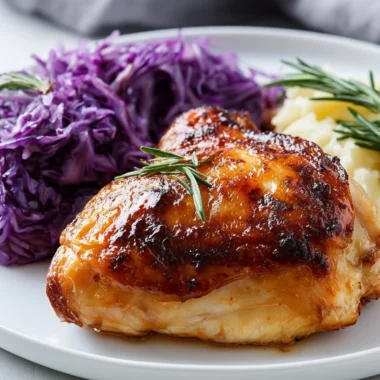

Spanferkel: A Festive German Tradition
The aroma of slow-roasted pig fills the air, mingling with the crackle of a wood fire and the laughter of gathered friends and family. As the skin glistens, crispy and caramelized, everyone eagerly awaits their first bite of the succulent meat that embodies celebration. This is Spanferkel, a traditional German dish that transforms any gathering into a festive occasion and fills the heart as much as the stomach. You may also find 1 Dr Pepper Barbecue Sloppy Joes Recipe useful.
This article will explore the history of Spanferkel, why it remains a beloved dish in Germany and other regions, and how you can incorporate this festive tradition into your cooking repertoire. You may also find 10 Simple Pasta Dinner Recipes Even Beginners Cant Mess Up useful.
Why you’ll love Spanferkel
- A centerpiece for gatherings: Spanferkel brings people together around the table, making it the star of festive occasions.
- Rich cultural history: Discover the roots of this dish and its significance in German celebrations.
- Unique flavor profile: The pig’s natural flavors are enhanced by spices and cooking techniques, offering a memorable taste experience.
- Versatile serving options: Spanferkel can be served simply or with a variety of sides, making it adaptable for any gathering.
- A chance to impress: Mastering this dish not only showcases your culinary skills but also your appreciation for tradition.
Ingredients you’ll need
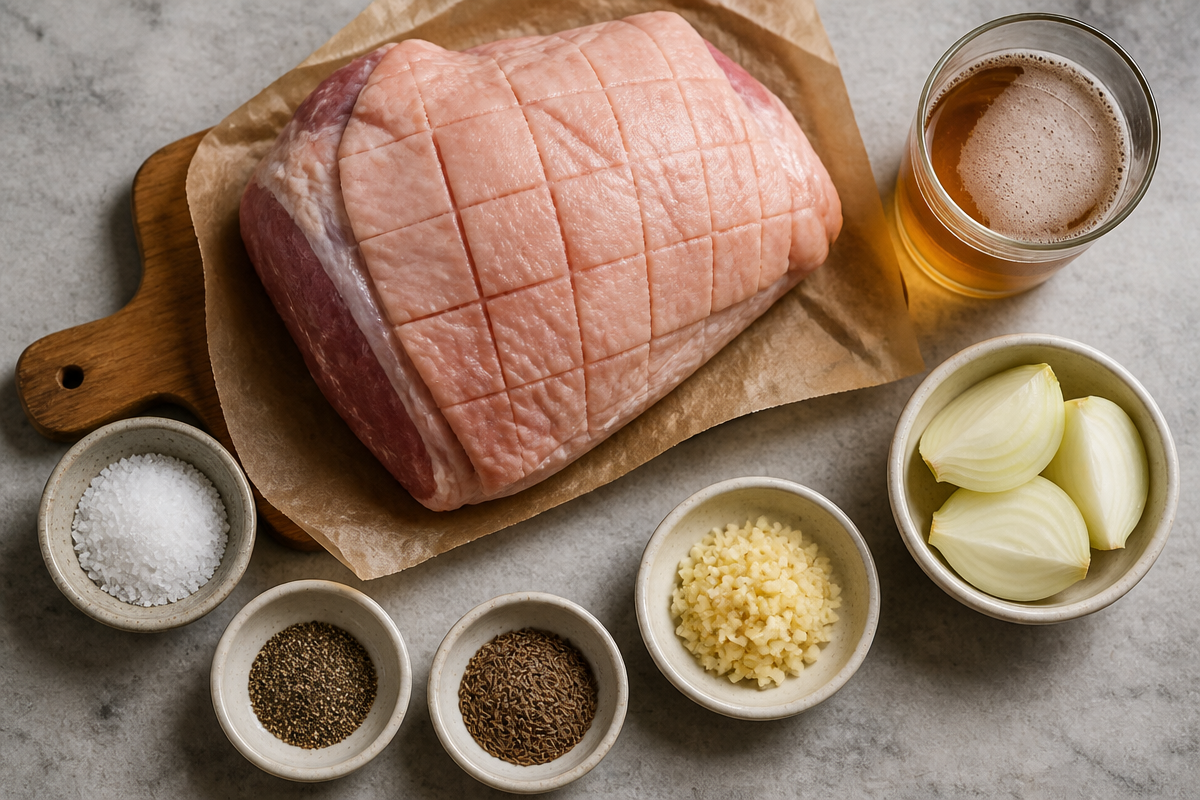
- 1 whole suckling pig (the smaller size ensures tenderness and flavor)
- Kosher salt (helps draw out moisture for a crispy skin)
- Garlic (adds depth to the meat flavor)
- Fresh herbs like rosemary and thyme (the aromatic notes elevate the dish)
- Olive oil (to baste and enhance the golden crust)
How to make Spanferkel (step-by-step)
- Prepare the pig: Start by cleaning the suckling pig thoroughly. Remove any remaining hair with a kitchen torch if needed, and ensure the cavity is clear.
- Season generously: Rub the entire pig with kosher salt, making sure to get inside the cavity. Stuff the cavity with garlic and fresh herbs for added flavor.
- Preheat your oven or pit: Aim for a steady temperature of about 300°F (150°C), whether using an oven or an outdoor rotisserie setup.
- Baste and cook: Place the pig on a roasting rack and baste it with olive oil. Cook for about 4-6 hours or until the skin is golden and crispy, occasionally basting to maintain moisture.
- Check tenderness: The meat should reach an internal temperature of 160°F (70°C) for safe consumption and optimal tenderness.
- Rest before carving: Let the roasted pig rest for about 20-30 minutes before carving to allow the juices to redistribute.
- Serve with sides: Pair Spanferkel with traditional German sides like sauerkraut, potato dumplings, or a fresh green salad for a well-rounded meal.
If you’re looking for more creative ways to enjoy gatherings, you might also enjoy these easy pasta dinners loved by busy moms that can complement the main dish perfectly.
Tips for the best results
- Use high-quality meat: Sourcing your suckling pig from a reliable butcher can dramatically enhance the final flavor.
- Monitor the temperature closely: Use a meat thermometer to avoid overcooking and ensure that the meat remains juicy.
- Experiment with spices: Aside from garlic and herbs, trying different spice blends can add your personal touch to the traditional recipe.
Common mistakes to avoid
- Not seasoning adequately: Make sure to season not just the skin but also the inner cavity; this ensures the meat is flavorful.
- Skipping the resting period: Cutting into the pig too early can result in a dry texture; patience pays off here.
- Cooking too quickly: Maintaining a steady temperature is crucial to achieving that crispy skin while keeping the meat within tender.
Variations
- Glazed options: Try coating the pig in a honey and mustard glaze during the last hour of cooking for a sweet and savory touch.
- Spiced rubs: Adding a mix of paprika, fennel seeds, and black pepper can provide an extra layer of flavor for those who enjoy a bit of heat.
- Serving styles: Consider serving the meat in tacos or sliders for a fun and modern twist on traditional flavors.
Storage and reheating
- Leftovers: Store any leftover meat in an airtight container in the refrigerator for up to 3 days.
- Reheating: To reheat, place it in a preheated oven at 300°F (150°C) until warmed through, ensuring not to dry it out. Freezing the meat is also an option for longer preservation.
Frequently asked questions
- Can I use a different type of pork? While Spanferkel is traditionally made with suckling pig, you can use a small whole pork shoulder for a similar experience.
- Why did mine turn out dry? Overcooking is often the culprit; make sure to monitor the internal temperature closely.
- Can this be prepared in advance? While the pig can be seasoned a day prior, we recommend roasting it on the day of your event for the best texture.
Conclusion
Whether you’re diving into the culinary culture of Germany for the first time or you’re a seasoned enthusiast of Spanferkel, you’ll find that this dish embodies festivity and communal joy. The next time you gather friends or family, consider roasting a suckling pig as the centerpiece of your meal. For even more insights into this delicious tradition, check out what Spanferkel truly means in German culture, or explore a delightful recipe for a Bavarian roast pig at The Food Dictator.