
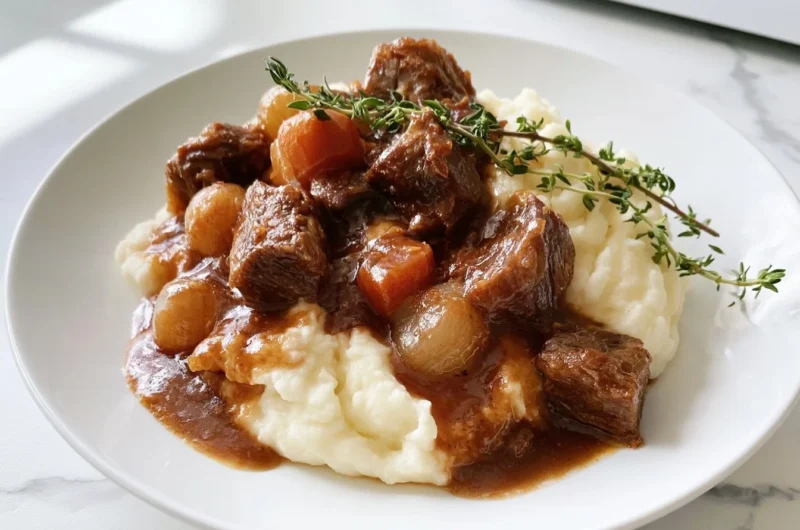
Traditional Provencal Beef Stew (Beef Daube)
The scent of rich, slow-cooked beef and vegetables wafts through the air, mingling with the faint aroma of thyme and bay leaves. As the stew simmers, I can still hear my grandmother’s voice, guiding me on each step, while the earthy tones of the wine mingle beautifully with the meat. Those cozy kitchen moments are among my favorite memories, and they inspired me to perfect my own version of Traditional Provencal Beef Stew—a true dish of love and comfort. You may also find Crispy Potatoes Shine In Beef Stew useful.
This hearty stew is not just a meal; it’s a testament to the culinary traditions of Provence. Rich in flavor and history, it’s a comforting dish perfect for gatherings or a quiet night in. Let’s dive into the details of creating this exquisite dish that celebrates the flavors of southern France. You may also find Beef And Broccoli Stir Fry Better Than Takeout useful.
Why You’ll Love This Traditional Provencal Beef Stew
- Rich and Flavorful: The slow-cooked beef absorbs a blend of aromatic herbs and spices, creating a depth of flavor that is simply irresistible.
- Perfect for Meal Prep: This stew tastes even better the next day, making it a great option for leftovers or making ahead for busy weeknights.
- Customizable Ingredients: Use seasonal vegetables or whatever you have on hand, ensuring every batch reflects your taste.
- Impressive but Easy: While it may appear sophisticated, this dish is surprisingly simple to whip up—a true crowd-pleaser with minimal fuss.
Ingredients You’ll Need
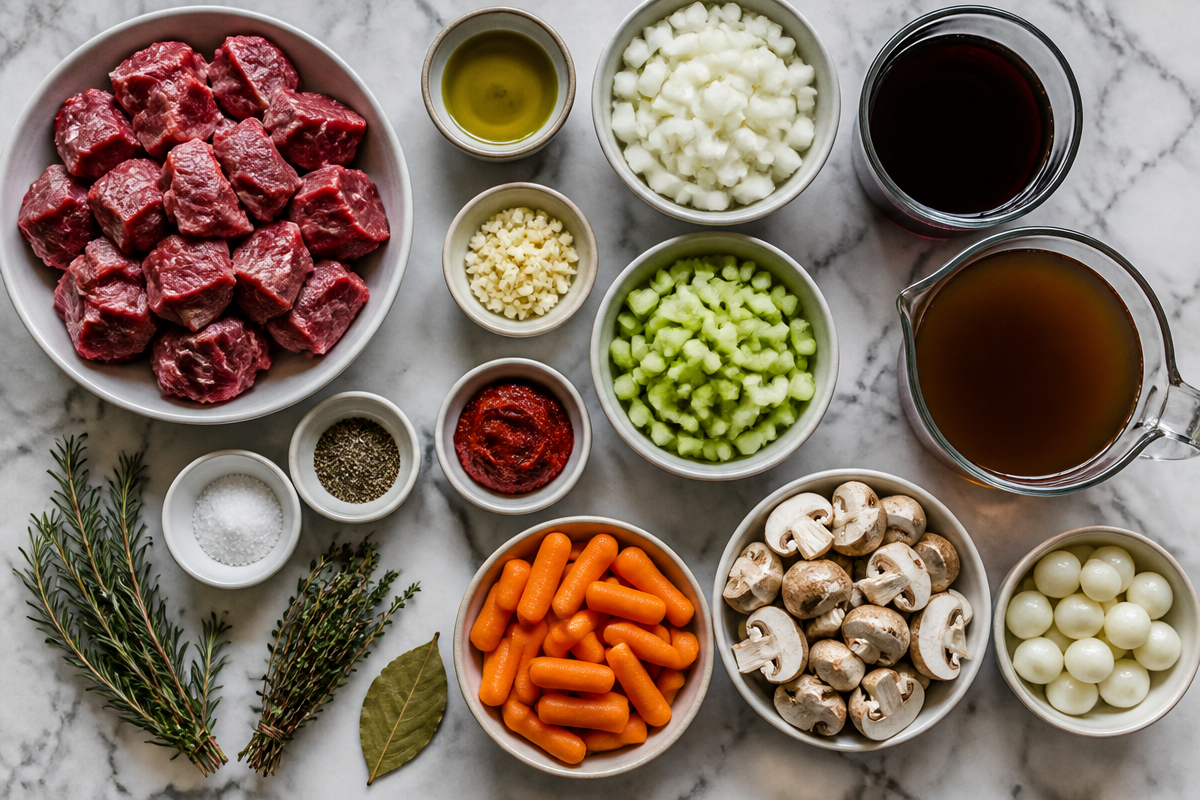
- 2 lbs beef chuck (a well-marbled cut that becomes tender when slow-cooked)
- 1 bottle red wine (look for a Provencal variety, as it enhances the flavor)
- 2 cups beef broth (adds depth and richness)
- 2 tablespoons olive oil (for browning the meat)
- 1 onion, chopped (adds sweetness and fragrance)
- 4 cloves garlic, minced (for aromatic flavor)
- 2 carrots, sliced (for natural sweetness)
- 2 stalks celery, chopped (for a depth of flavor)
- 2 medium potatoes, diced (for additional heartiness)
- 2 bay leaves (essential for that classic stew taste)
- 1 teaspoon fresh thyme (for aromatic brightness)
- Salt and pepper, to taste (essential seasoning)
How to Make Traditional Provencal Beef Stew (Step-by-step)
-
Brown the Beef: Heat olive oil in a large Dutch oven over medium-high heat. Season the beef with salt and pepper, then add it to the pot. Brown the beef on all sides, about 4-5 minutes per side. Remove and set aside. You may also find Beef Skewers With Golden Fries useful.
-
Sauté Aromatics: In the same pot, add the chopped onion, carrots, and celery. Cook until softened, about 5 minutes. Add the minced garlic and sauté for another minute until fragrant.
-
Deglaze with Wine: Pour in the entire bottle of red wine, scraping the bottom of the pot to release any browned bits. Bring to a simmer and reduce by half for about 10-15 minutes.
-
Add Beef Broth: Return the browned beef to the pot and pour in the beef broth, ensuring the meat is mostly covered. Toss in the bay leaves and thyme.
-
Simmer: Lower the heat to a gentle simmer, cover, and let it cook for about 2.5 to 3 hours, or until the meat is fork-tender. Stir occasionally to ensure even cooking.
-
Add Potatoes: About 30 minutes before the cooking is complete, add the diced potatoes to the pot. Continue simmering until the potatoes are tender.
-
Adjust Seasoning: Before serving, taste and adjust seasoning with more salt or pepper.
Tips for the Best Results
- Quality Wine Matters: Use a good quality red wine that you would drink, as it enhances the overall flavor of the stew.
- Let it Rest: Allow the stew to rest for 30 minutes after cooking before serving; this helps the flavors meld together beautifully.
- Garnishes: A sprinkle of fresh parsley or a drizzle of extra virgin olive oil just before serving can brighten the dish.
Common Mistakes to Avoid
-
Rushing the Browning Process: Browning beef properly is crucial for flavor. Do not overcrowd the pan, which can lead to steaming rather than browning.
-
Using Low-Quality Ingredients: Since there are few ingredients, using high-quality meat and wine will significantly impact the final flavor.
-
Not Deglazing: Failing to deglaze the pot after browning meat means missing out on some great flavors that contribute to the overall taste.
Variations
- Vegetable Version: For a vegetarian option, replace beef with hearty vegetables like mushrooms and eggplant, and use vegetable broth.
- Different Herbs: While thyme and bay leaves are traditional, try adding rosemary or herbes de Provence for an extra twist.
Storage and Reheating
- Refrigeration: Store leftover stew in an airtight container for up to 3 days in the fridge.
- Freezing: You can freeze the stew for up to three months. Thaw in the fridge overnight before reheating.
- Reheat: Gently reheat on the stovetop over low heat, adding a splash of broth or water if it thickens too much.
Frequently Asked Questions
- Can I use frozen beef? Yes, but ensure it’s thawed completely before cooking for even results.
- Why did my stew turn out dry? This can happen if meat is overcooked or the pot was left uncovered. Always ensure proper cooking times and cover the pot appropriately.
- Can I make this ahead? Absolutely! The flavors deepen and improve after a day in the fridge, making it a fantastic make-ahead meal.
Final Thoughts
As I finish my bowl of Traditional Provencal Beef Stew, I’m transported back to my grandmother’s kitchen, where laughter and warmth were as essential as the ingredients. This dish, filled with heart and tradition, celebrates the simple joys of cooking and sharing food with loved ones. Whether you enjoy it on a chilly evening or during a family gathering, I hope this stew fills your home with warmth and nostalgia, just like it does mine.
Conclusion
To explore more recipes that enhance your culinary journey, check out this fantastic Provencal Beef Stew (Daube). For a different twist, you might enjoy My Recipe for a Traditional Provencal Beef Stew a Daube, which offers an alternative take on this classic dish. Happy cooking!