Cooking Martinsgans: A Traditional Delight
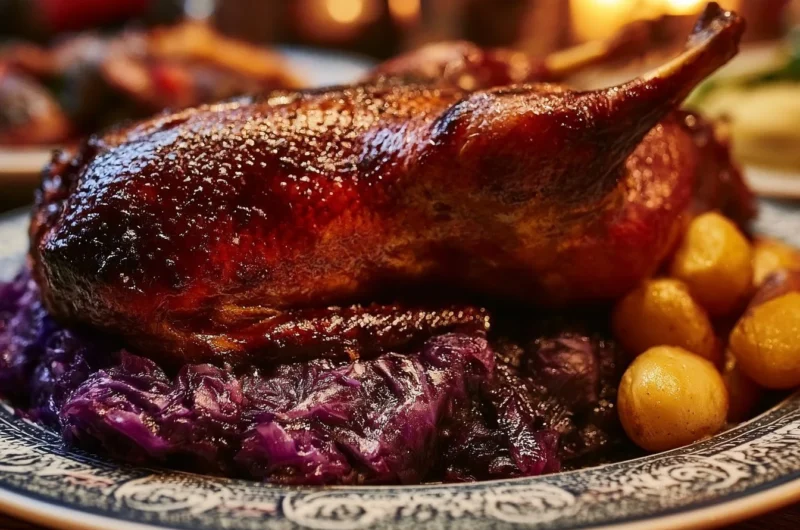
The aroma of roasted goose fills the air, mingling with the crisp autumn breeze outside. As the skin turns a rich golden brown in the oven, I remember those cozy family gatherings, where laughter and the clinking of glasses echoed around the table. Each bite of juicy goose was a celebration of tradition, passed down through generations. Cooking martinsgans brings back these vivid memories and a sense of connection to my roots. You may also find Butterscotch Heaven Pie Delight useful.
This article will guide you through the process of cooking martinsgans, sharing tips and tricks to ensure your dish turns out perfectly. From ingredient selection to serving suggestions, you’ll discover how to create a meal that echoes the warmth of family and tradition. You may also find Creamy Breakfast Power Plate Delight useful.
Why you’ll love this traditional delight
- Rich, flavorful meat: Martinsgans boasts a deep, savory flavor that elevates any occasion.
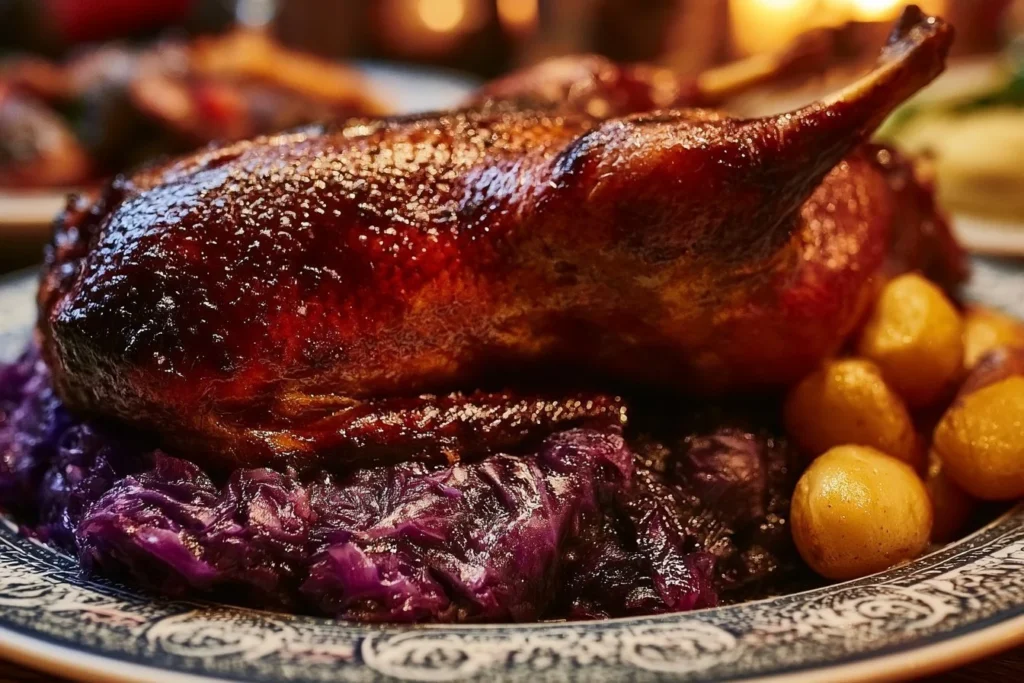
- Perfectly crispy skin: With the right technique, achieving that classic golden-brown, crispy skin is easier than you think.
- Ideal for gatherings: This dish serves a crowd and holds its own as the centerpiece of any festive celebration.
- Endearing traditions: Cooking martinsgans is not just about the food; it’s about bringing family together and honoring heritage.
- Customizable flavors: The preparation allows for various herbs and spices that can elevate and personalize the dish to your taste.
Ingredients you’ll need
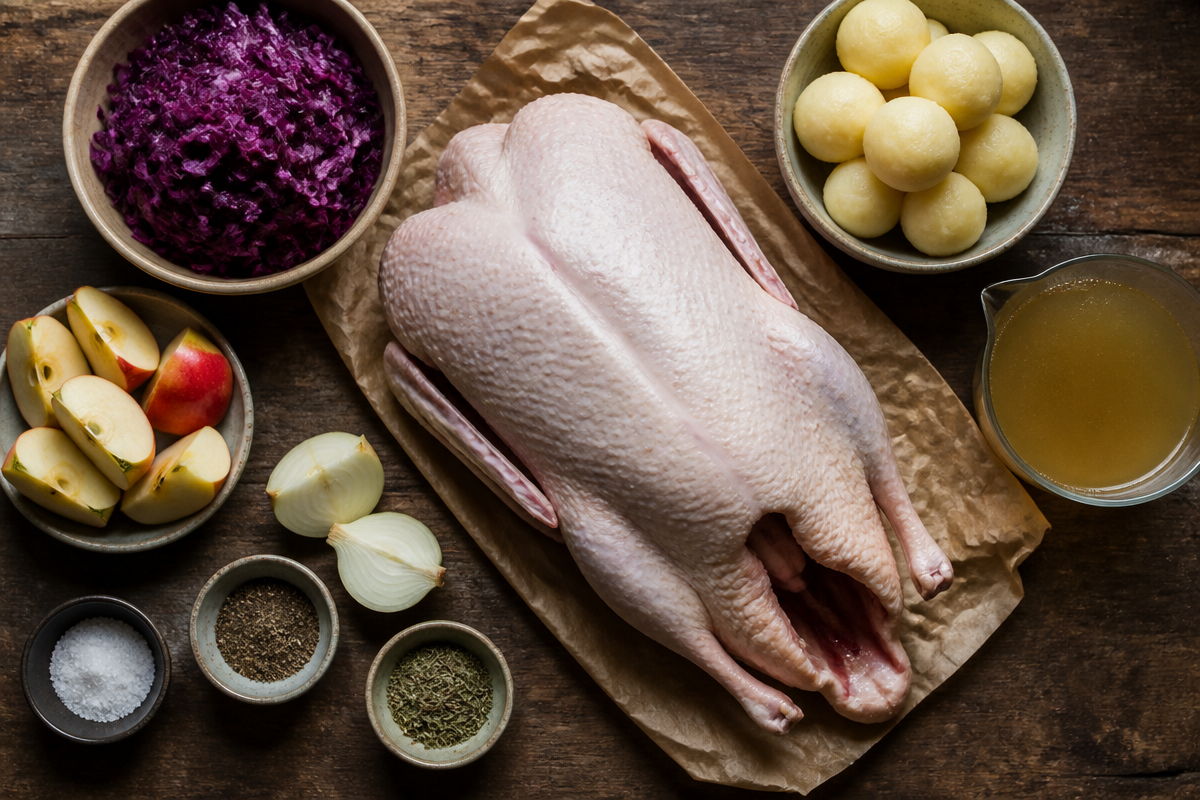
- 1 whole goose (about 10-12 lbs) (the size ensures enough meat for a feast)
- 2 tsp salt (essential for flavor and crusting the skin)
- 1 tsp black pepper (adds a subtle piquancy)
- 1 orange (zest and juice add a fresh note)
- 4 cloves garlic (for aromatic richness)
- Fresh herbs like rosemary and thyme (these enhance the flavor profile)
- 2 cups of broth (to keep the goose moist during cooking)
How to make Martinsgans (step-by-step)
-
Preheat your oven to 350°F (175°C). This ensures that the goose begins cooking evenly. You may also find Speedy Cooking Hacks Pasta Tips That Actually Cut Your Dinner Time In Half useful.
-
Prepare the goose: Clean the goose thoroughly, removing any leftover feathers and innards. Pat it dry with paper towels to help achieve crispy skin.
-
Season generously: Rub the inside and outside of the goose with salt, pepper, and the zest from the orange. Squeeze the orange juice inside the cavity along with the garlic cloves and fresh herbs. This adds moisture and flavor throughout the cooking process.
-
Truss the legs: To ensure even cooking, tie the legs together with kitchen twine. This helps the bird retain its shape during roasting.
-
Roast the goose: Place the goose breast-side up on a roasting rack in a large pan. Roast for about 2.5 to 3 hours, basting it every 30 minutes with the juices that collect in the pan. Cook until the skin is crispy and golden brown.
-
Check for doneness: The internal temperature should reach 165°F (74°C) when measured in the thickest part of the thigh.
-
Let it rest: Once cooked, let the goose rest for at least 15-20 minutes before carving. This allows the juices to redistribute, ensuring every slice is juicy and flavorful.
-
Serve and enjoy: Carve the goose and serve it with your choice of side dishes, like roasted vegetables or potato dumplings.
Tips for the best results
- Use a meat thermometer: This ensures you achieve the right level of doneness without overcooking the meat.
- Choose quality ingredients: Opt for a free-range goose if possible, as it tends to offer better flavor and texture.
- Make a rich gravy: Use the drippings from the roasting pan along with some flour and broth to create a delicious gravy that complements the goose beautifully.
Common mistakes to avoid
- Not drying the skin: Ensuring the skin is dry before roasting helps achieve that memorable crispy finish.
- Overbasting: While basting adds flavor, too much moisture can prevent the skin from crisping up.
- Cutting too early: Give the goose time to rest post-cooking; cutting too soon can result in a loss of juices.
Variations
- Spiced variation: Try adding spices like cinnamon or allspice for a unique twist.
- Herb-infused butter: Before roasting, spread a mix of butter and fresh herbs under the skin for an extra layer of flavor.
- Stuff it: For additional flavor, consider stuffing the cavity with apples, onions, or bread for a more traditional approach.
Storage and reheating
- Refrigerate leftovers: Store in an airtight container; it will last up to 3 days in the fridge.
- Reheating: To retain moisture, reheat in the oven at 350°F (175°C) for 20-30 minutes, covering with foil if necessary.
- Freezing: You can freeze cooked goose for up to 3 months. Thaw overnight in the refrigerator before reheating.
Frequently asked questions
- Can I use frozen goose? Yes, just ensure it’s completely thawed before cooking for even results.
- Why did mine turn out dry? Overcooking is the main reason; ensure the internal temperature reaches 165°F and keep a watchful eye on cooking time.
- Can I make this ahead? You can prepare the goose and season it a day in advance, then roast it when you’re ready.
Final thoughts
As you savor each tender bite of roasted martinsgans, you’ll find it hard not to reminisce about warm family gatherings and cherished traditions. The combination of fragrant herbs and rich flavor offers not just a feast for the palate, but also a heartfelt connection to the past.
Conclusion
Preparing martinsgans can be a deeply fulfilling culinary experience, celebrating heritage and togetherness. For a deeper dive into how traditional dishes like martinsgans play a role in festive celebrations, you might find this article on how the German Martinsgoose shaped my holiday feast enlightening. Additionally, if you’re looking for diverse recipes involving goose, check out this guide on steakhouse goose recipes that will inspire your next cooking adventure.
Martinsgans
Ingredients
Method
- Preheat your oven to 350°F (175°C).
- Clean the goose thoroughly, removing any leftover feathers and innards. Pat it dry with paper towels.
- Rub the inside and outside of the goose with salt, pepper, and the zest from the orange. Squeeze the orange juice inside the cavity along with the garlic cloves and fresh herbs.
- Truss the legs with kitchen twine to ensure even cooking.
- Place the goose breast-side up on a roasting rack in a large pan.
- Roast for about 2.5 to 3 hours, basting every 30 minutes.
- Check the internal temperature, which should reach 165°F (74°C) in the thickest part of the thigh.
- Let the goose rest for at least 15-20 minutes before carving.
- Carve the goose and serve with your choice of side dishes.