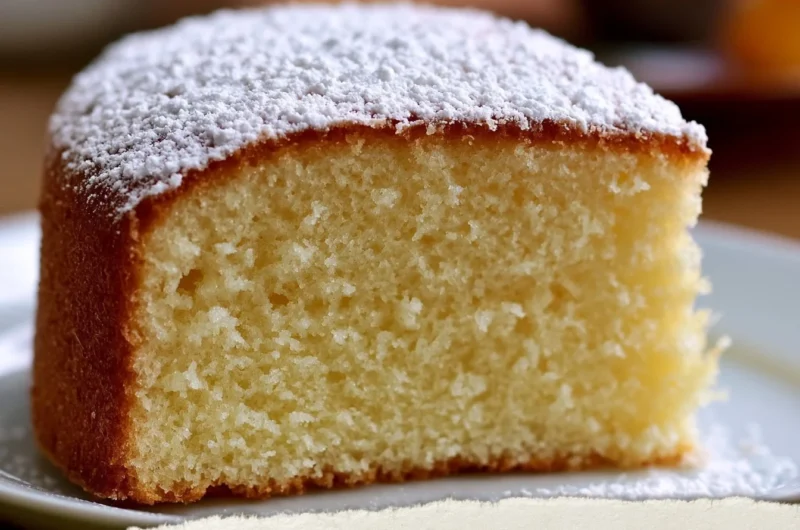
Gâteau de Savoie: The Light and Airy French Classic
The sunrise floods the kitchen with golden light as I sift flour into a bowl, watching the soft powder dance like snowflakes in the early morning. A memory strikes me — my grandmother whisking egg whites until they formed perfect peaks, a skill that took her years to master. She called it Gâteau de Savoie, a cake so light and airy it seemed to float off the plate. Each bite was like a soft kiss of sweetness, perfectly balancing the airiness with the rich aroma of fresh butter. You may also find 7 Delicious Pasta Recipes Picky Kids Actually Eat No Fuss useful.
This cake holds a special place in French patisserie, not only for its simplicity but also for its versatility. Unlike heavier cakes that can be overwhelming, Gâteau de Savoie is delightfully delicate, making it a fantastic choice for a variety of occasions, from afternoon tea to elegant dessert tables. You may also find Beef Skewers With Golden Fries useful.
Why you’ll love this Gâteau de Savoie
- Remarkably light texture: The incorporation of beaten egg whites creates a featherlight cake that melts in your mouth.
- Versatile serving options: Enjoy it plain, or serve with fresh fruit and whipped cream for an added touch of elegance.
- Quick to make: With minimal ingredients and simple techniques, you can whip this cake up in under an hour.
- Perfect for any season: Whether paired with summer berries or warm spices in winter, it adapts beautifully to different flavors.
- A crowd-pleaser: Its subtle sweetness is enjoyed by everyone, making it a perfect dessert for family gatherings or brunches.
Ingredients you’ll need
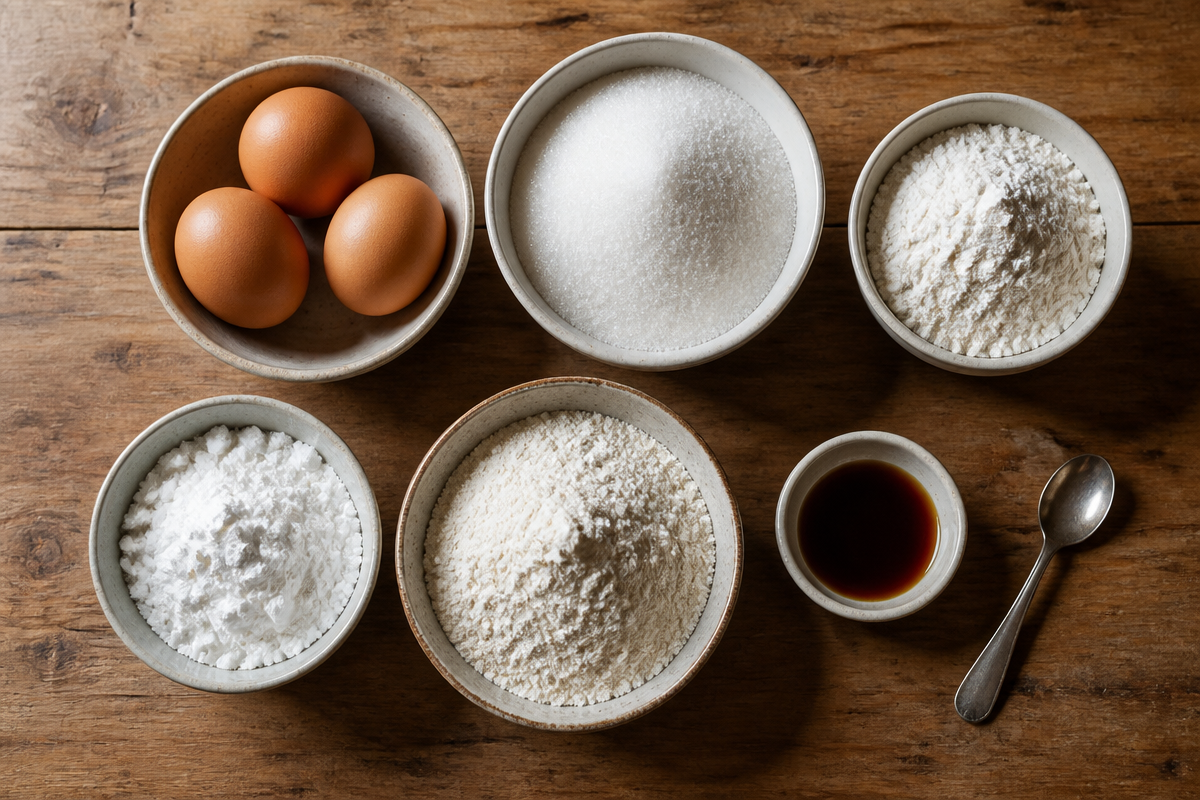
- 6 large eggs (fresh eggs provide the best volume for beating)
- 1 cup granulated sugar (adds sweetness and helps with the cake’s structure)
- 1 cup all-purpose flour (for the cake’s body—no need for fancy flours!)
- 1/4 cup unsalted butter, melted (richness without being overly heavy)
- pinch of salt (enhances the sweetness)
- Zest of one lemon (for a subtle flavor boost—optional)
How to make Gâteau de Savoie (step-by-step)
- Preheat your oven to 350°F (175°C) and grease a 9-inch round cake pan or line it with parchment paper.
- Separate the eggs, placing the whites in a clean bowl and your yolks in another. Ensure there are no traces of yolk in the whites; otherwise, they won’t whip properly.
- Whisk the egg yolks with sugar in a large bowl until the mixture is pale and thickened, resembling a ribbon when you lift the whisk.
- Sift in the flour and gently fold it into the egg yolk mixture using a spatula; be careful not to deflate the batter.
- Incorporate the melted butter and lemon zest, folding until just combined.
- Beat the egg whites with a pinch of salt until they form stiff peaks. This is where the magic happens—these whites will give the cake its lift and structure.
- Gently fold the whites into the batter, starting with a third of the whites to lighten the mixture, then add the rest, folding delicately to maintain the airiness.
- Pour the batter into the prepared pan and bake for 25-30 minutes, or until the top is golden and a skewer comes out clean.
Tips for the best results
- Room temperature eggs: Ensure your eggs are at room temperature for better aeration when beating the whites.
- Sift your flour: This not only removes lumps but also incorporates air, enhancing the cake’s light texture.
- Don’t skip the lemon zest: It adds a fresh pop of flavor that elevates the cake’s taste.
Common mistakes to avoid
- Overmixing the egg whites: If you overbeat the whites, they can become dry and lead to a tough cake. Stop as soon as stiff peaks form.
- Opening the oven early: Avoid peeking at your cake for at least the first 25 minutes to prevent it from collapsing.
- Not folding gently: Use a light hand to incorporate the egg whites; aggressive mixing can deflate your batter.
Variations
- Almond Gâteau de Savoie: Substitute half of the flour with almond flour for a nutty flavor.
- Chocolate version: Fold in melted chocolate into the batter before baking for a delightful chocolate twist.
- Fruit-enhanced: Incorporate finely chopped seasonal fruits like raspberries or blueberries into the batter for added flavor.
Storage and reheating
Gâteau de Savoie can be stored in an airtight container at room temperature for up to 3 days. To reheat, briefly warm in the oven at 300°F (150°C) for 5-10 minutes, or enjoy it at room temperature for the best texture. You may also find Beef With Golden Fries Plate useful.
Frequently asked questions
Can I use cake flour instead of all-purpose flour?
Yes, cake flour will yield an even lighter texture, but ensure to adjust the quantity accordingly as it absorbs more moisture.
Can I make this ahead?
Yes, you can bake it a day in advance. Just keep it well covered to maintain its moisture and lightness.
What’s the best way to serve it?
Slice into generous wedges and serve with whipped cream and seasonal fruit for a fresh touch.
Final thoughts
As I take a bite of the Gâteau de Savoie, the memories of my grandmother’s kitchen flood back, reminding me of those cozy mornings spent together. Each delicate forkful feels like a whisper of love and sweetness, celebrating simpler times. This cake is more than just a treat; it’s a journey through fond memories, and I hope it brings as much joy to your table as it has to mine.
Conclusion
If you’re eager to explore more about French desserts like this one, you might want to check out Gâteau or Biscuit de Savoie – Life’s a Feast for some insights. Additionally, a detailed Recipe for Gateau de Savoie – The Good Life France can guide you further in perfecting this dessert. Enjoy your baking adventures!
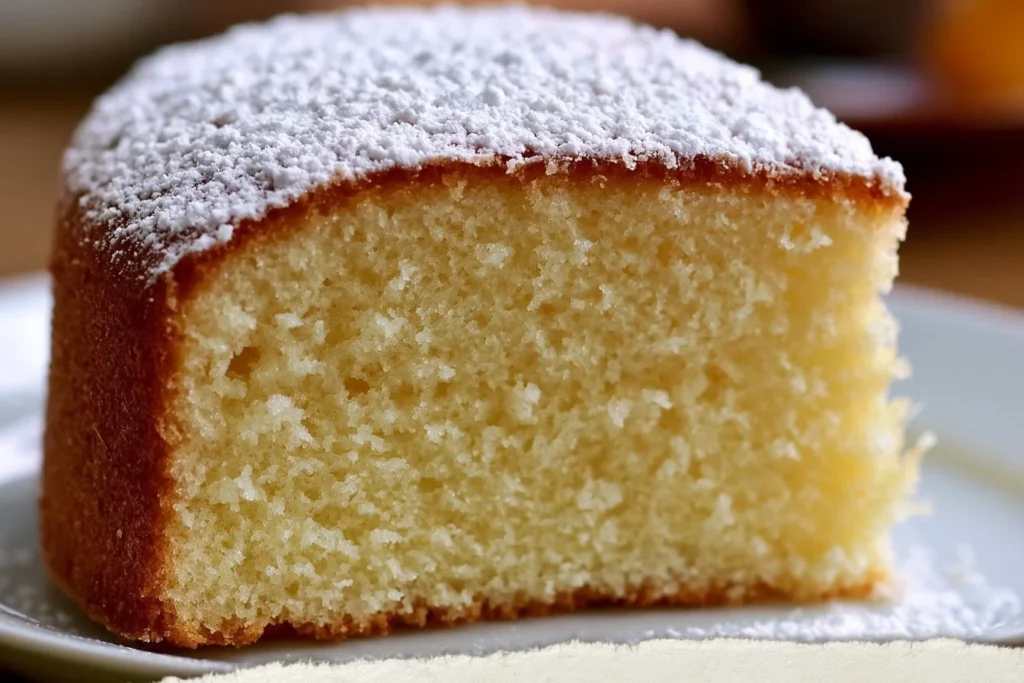
Gâteau de Savoie
Ingredients
Method
- Preheat your oven to 350°F (175°C) and grease a 9-inch round cake pan or line it with parchment paper.
- Separate the eggs, placing the whites in a clean bowl and your yolks in another. Ensure there are no traces of yolk in the whites; otherwise, they won't whip properly.
- Whisk the egg yolks with sugar in a large bowl until the mixture is pale and thickened, resembling a ribbon when you lift the whisk.
- Sift in the flour and gently fold it into the egg yolk mixture using a spatula; be careful not to deflate the batter.
- Incorporate the melted butter and lemon zest, folding until just combined.
- Beat the egg whites with a pinch of salt until they form stiff peaks.
- Gently fold the whites into the batter, starting with a third of the whites to lighten the mixture, then add the rest, folding delicately to maintain the airiness.
- Pour the batter into the prepared pan and bake for 25-30 minutes, or until the top is golden and a skewer comes out clean.