The Only Homemade Pasta Sauce Recipe You’ll Ever Need is the thing I make when I am tired, hungry, and not in the mood to think too hard. You know those nights when you stare into the fridge like it is going to give you a plan? That is when this sauce saves me. It is cozy, tomatoey, and tastes like you did way more work than you actually did. I have made it for quick weeknight dinners, last minute guests, and even lazy Sunday meal prep. If you have ever felt disappointed by jarred sauce, this is your sign to try this once and keep it in your back pocket.
What Tomatoes are Best for Pasta Sauce?
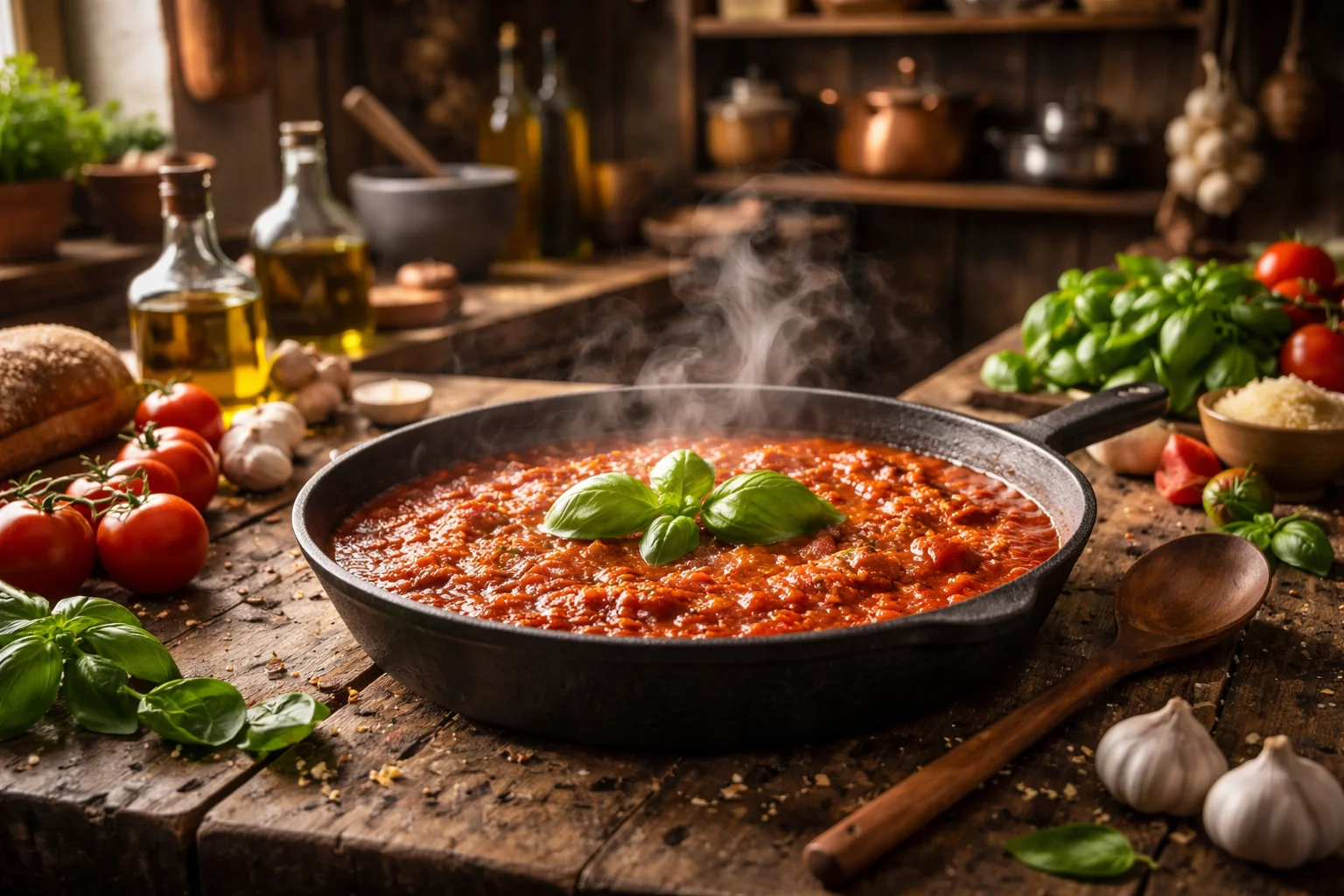
If you want a Homemade Pasta Sauce Recipe that tastes rich and balanced, tomatoes are the whole game. My go to is canned whole peeled San Marzano style tomatoes. I say “style” because true San Marzanos can be pricey, and not every store carries the fancy ones. Still, look for a can that says whole peeled and has simple ingredients.
Here is what I like best, depending on what you have:
- Canned whole peeled tomatoes: Best flavor and easy to control texture.
- Canned crushed tomatoes: Great if you want a smoother sauce without extra blending.
- Canned tomato passata: Super smooth, a little lighter, very weeknight friendly.
- Fresh ripe tomatoes: Amazing in summer, but they take more time and fuss.
For this recipe, I usually grab canned whole tomatoes, then crush them with my hands right in the pot. It sounds messy, but it is weirdly satisfying and gives you that perfect rustic texture.
Also, small tip that made a big difference for me: tomato paste. Just one or two tablespoons, cooked in olive oil for a minute, gives the sauce a deeper taste like it has been simmering all day.
When I am serving this with pasta night, I often bake something garlicky on the side, like this easy homemade garlic herb cheese bread. Dip it in the sauce and try not to eat the whole loaf.
Do I Have to Use the Special Tomatoes?
Nope. You really do not. I love the “special” tomatoes, but I have made this Homemade Pasta Sauce Recipe with whatever was on sale and it still came out delicious. The trick is how you build flavor around the tomatoes.
Here is my exact basic sauce that I make on repeat. This makes enough for about 1 pound of pasta, with extra for dipping bread or leftovers.
My go to Homemade Pasta Sauce Recipe (simple and craveable)
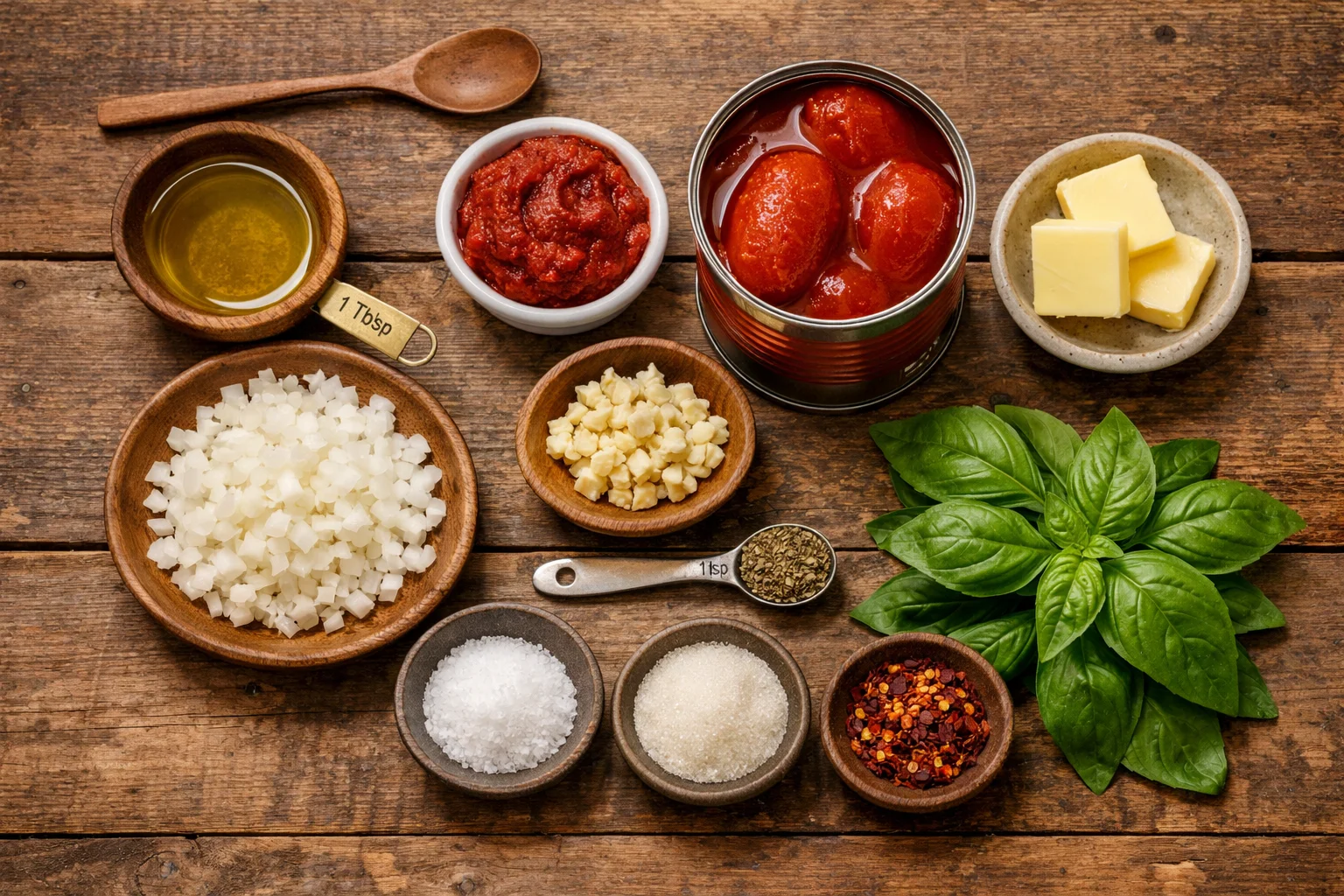
Ingredients
- 2 tablespoons olive oil
- 1 small onion, finely chopped (or half a big one)
- 4 cloves garlic, minced
- 1 to 2 tablespoons tomato paste
- 1 can (28 oz) whole peeled tomatoes (or crushed)
- 1 teaspoon salt, plus more to taste
- 1 teaspoon sugar (optional, but helpful if tomatoes taste sharp)
- 1 teaspoon dried oregano
- 1 pinch chili flakes (optional)
- 10 to 12 fresh basil leaves (or 1 teaspoon dried basil)
- 2 tablespoons butter (optional, makes it extra silky)
Directions
- Warm olive oil in a pot on medium heat. Add onion and cook until soft, about 5 to 7 minutes.
- Add garlic and cook for 30 seconds, just until it smells amazing.
- Stir in tomato paste and cook for 1 minute.
- Add tomatoes. If using whole, crush them with your hands or a spoon.
- Add salt, oregano, sugar if using, and chili flakes. Stir and bring to a gentle simmer.
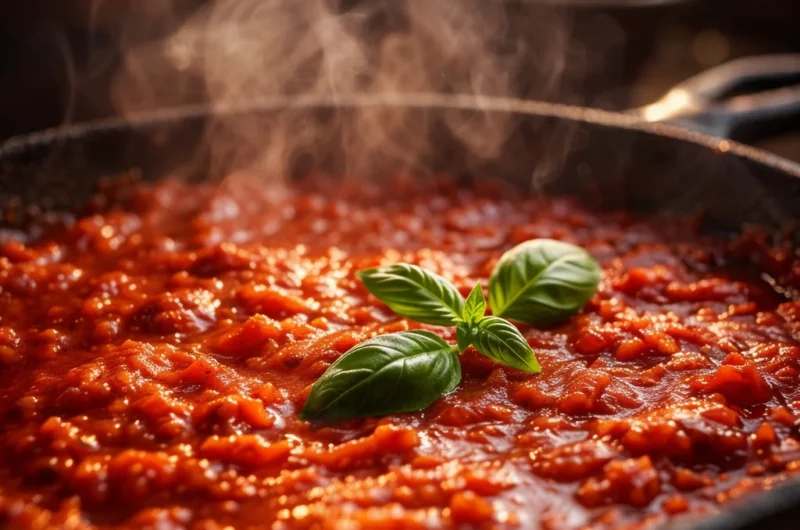
- Simmer uncovered 20 to 30 minutes, stirring sometimes. Add basil near the end.
- Turn off heat and stir in butter if you want that restaurant vibe.
That is it. Nothing fussy. If you want it smoother, blend a little with an immersion blender. If you want it chunkier, leave it alone and let it be rustic.
And if you are a sauce person like me, you might also enjoy my favorite homemade pizza sauce for homemade pizza nights. Same cozy tomato comfort, just a little different flavor vibe.
“I made this on a Tuesday when I was ready to order takeout, and my whole kitchen smelled like an Italian place. My kids asked for seconds and that literally never happens with pasta night.”
Can I Use Fresh Herbs Instead of Dried?
Yes, and it can taste incredible. Fresh basil is the easiest win, and it instantly makes the sauce feel brighter. I usually use dried oregano for that classic pasta sauce taste, then finish with fresh basil at the end.
If you are using fresh herbs, here is a simple way to think about it:
Dried herbs are stronger and hold up better during simmering. Fresh herbs taste lighter and should go in near the end so they do not turn dull.
Quick herb tips I actually use
If I have fresh basil, I tear it with my hands and stir it in right before serving. If I have fresh parsley, I sprinkle it on top after plating. If I have fresh oregano, I use a little because it can get intense fast.
Also, this sauce is honestly a great base for other meals. I have spooned it over chicken and it is ridiculously good. If you like cozy dinners, you might want to peek at this smothered chicken recipe too. Different vibe, same comfort level.
Can I Freeze or Can This for Long-Term Storage?
Freezing? Absolutely, and I do it all the time. Canning? You can, but you need to be careful and follow safe canning guidelines because tomato acidity matters.
Freezing this sauce (my lazy friendly method)
Let the sauce cool, then portion it into freezer bags or containers. I like freezing in 1 to 2 cup portions because that is realistic for quick dinners. Lay freezer bags flat so they stack nicely. Label with the date because you will forget, and then you will play freezer mystery later.
It keeps well for about 3 months, and it reheats like a dream. I warm it gently in a pot and add a splash of water if it thickened too much.
Canning basics (only if you are confident)
I am not a canning expert, so I keep it honest here. If you want to can sauce, use a tested recipe from a trusted source and follow the method exactly. Some sauces need added acid like lemon juice to be safe for water bath canning. When in doubt, freeze it. Freezing is way more forgiving.
Handy Kitchen Tools
You do not need much for a great sauce, but a few tools make this Homemade Pasta Sauce Recipe easier and more consistent.
- Heavy bottom pot or Dutch oven: Helps prevent scorching and cooks evenly.
- Wooden spoon: For stirring and gently crushing tomatoes.
- Immersion blender: Optional, but great if you like a smoother sauce.
- Microplane or fine grater: For grating parmesan on top, which is never optional in my house.
- Freezer containers or bags: If you plan to stash leftovers.
One more real life tip: if your sauce tastes a little flat, it usually just needs one of three things. A pinch more salt, a little more simmer time, or a small pat of butter at the end. That is the fix more often than not.
Common Questions
How long should I simmer pasta sauce?
For this sauce, 20 to 30 minutes is enough for a weeknight. If you simmer it longer, it gets thicker and a little sweeter.
Why does my sauce taste too acidic?
Add a small pinch of sugar, and make sure you are using enough salt. A tablespoon or two of butter at the end also softens sharpness.
Can I add meat to this sauce?
Yes. Brown ground beef or Italian sausage first, then build the sauce in the same pot. It becomes a hearty dinner fast.
What pasta goes best with this?
Spaghetti is classic, but I love it with chunky shapes like rigatoni or paccheri because they hold the sauce. If you want a fun pasta shape night, check out this paccheri pasta recipe.
Can I make it without onion or garlic?
You can. Swap onion for a pinch of onion powder, and skip garlic if you need to. Add extra basil and a bit more oregano so it still tastes lively.
A cozy last note before you start cooking
If you make this once, you will see why I keep calling it my Homemade Pasta Sauce Recipe for everything. It is simple, flexible, and it makes your kitchen smell like dinner is going to be good. If you want more tomato inspiration, I also like reading The Only Tomato Sauce Recipe You Will Ever Need – Building Feasts and The Best Homemade Pasta Sauce You’ll Ever Make when I am in a sauce mood. Now grab a pot, open those tomatoes, and just start, you are closer to a great dinner than you think.
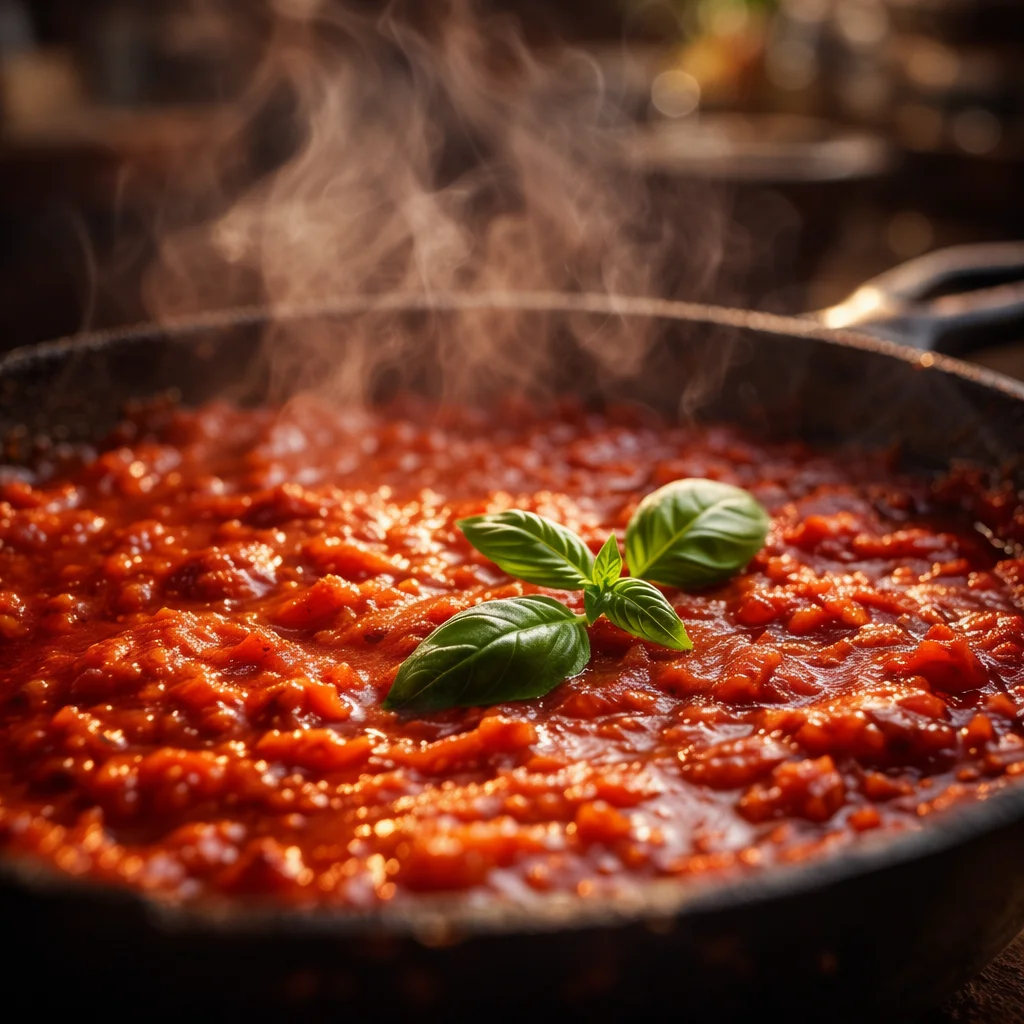
Homemade Pasta Sauce
Ingredients
Method
- Warm olive oil in a pot on medium heat. Add onion and cook until soft, about 5 to 7 minutes.
- Add garlic and cook for 30 seconds, just until fragrant.
- Stir in tomato paste and cook for 1 minute.
- Add tomatoes. If using whole, crush them with your hands or a spoon.
- Add salt, oregano, sugar if using, and chili flakes. Stir and bring to a gentle simmer.
- Simmer uncovered for 20 to 30 minutes, stirring occasionally. Add basil near the end.
- Turn off heat and stir in butter if desired.