
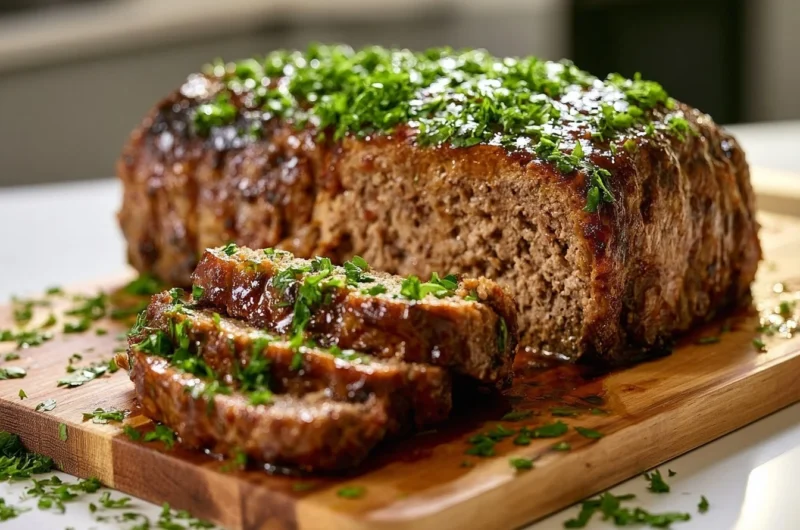
Traditional German Meatloaf (Hackbraten)
The smell of slowly roasting meatloaf drifts through the air, mingling with the savory scent of onions caramelizing on the stove. It’s an experience that takes me to my childhood kitchen, where my grandmother would spend Sunday afternoons cooking up hearty meals for family gatherings. She often prepared her beloved Hackbraten, a traditional German meatloaf that was always the star of the dinner table. This dish, topped with a subtly sweet glaze, became a comfort food staple, embracing us with warmth and nostalgia. You may also find Classic Homemade Meatloaf useful.
In this article, we’ll explore the ins and outs of making a delicious traditional German meatloaf (Hackbraten). From understanding why this recipe has stood the test of time to exploring variations and storage tips, you’ll be well-equipped to bring this delightful dish into your home. You may also find Classic Meatloaf Recipe useful.
Why you’ll love this Traditional German Meatloaf (Hackbraten)
- Rich, savory flavor that develops as it bakes, thanks to a perfect blend of spices and ingredients.
- Great for leftovers, making it a practical choice for meal prep or quick weeknight dinners.
- Comforting and filling, this dish can easily stand alone or be paired with simple sides like potatoes or seasonal vegetables.
- Easily customizable, allowing you to adjust not just the meat but also the fillings, toppings, and spices based on your preferences.
Ingredients you’ll need
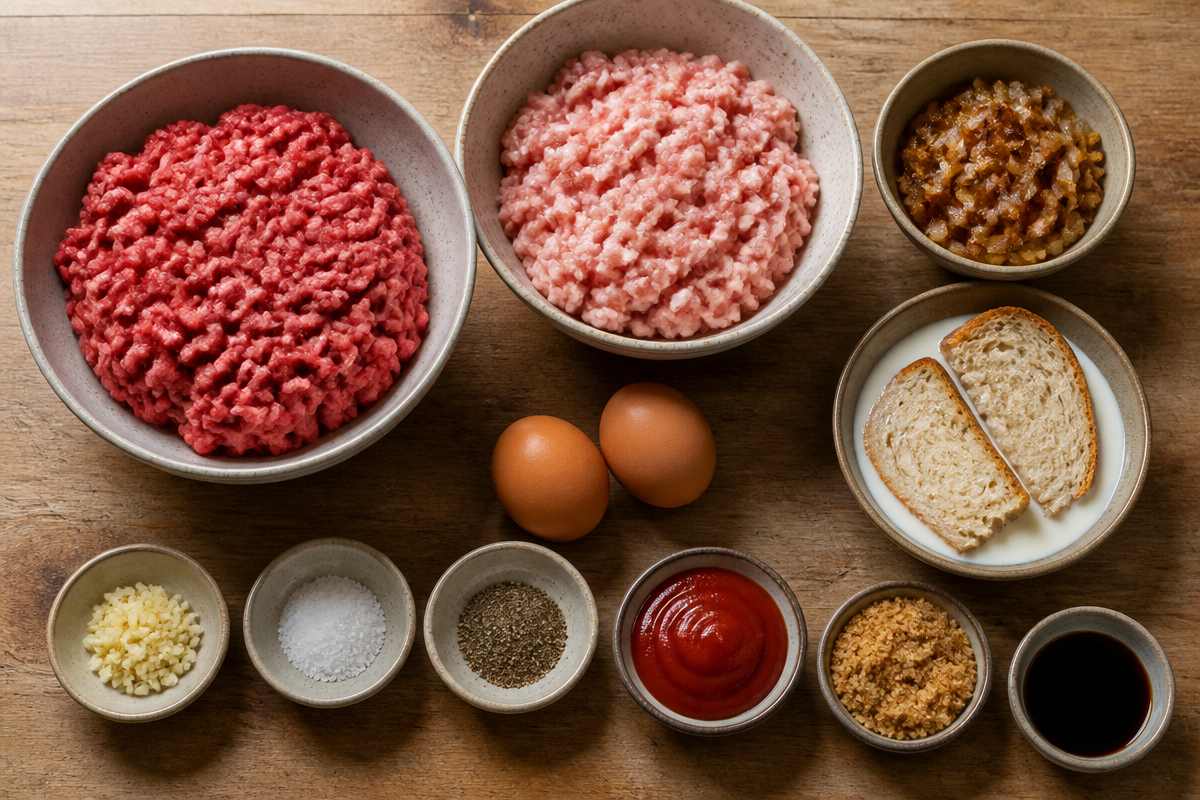
- 1 lb ground beef (a classic choice for rich flavor and texture that holds well)
- 1/2 lb ground pork (adds a bit of moisture and flavor depth)
- 1 cup breadcrumbs (helps absorb moisture for a tender loaf)
- 1 small onion, finely chopped (brings sweetness and aromatic flavor)
- 2 cloves garlic, minced (for that added depth)
- 2 large eggs (binds the ingredients together)
- 1/4 cup milk (adds richness and moisture)
- Salt and pepper to taste (essential for enhancing overall flavor)
- For the glaze: 1/3 cup ketchup mixed with 1 tbsp brown sugar (adds a tangy sweetness that complements the meat)
How to make Traditional German Meatloaf (step-by-step)
-
Preheat your oven to 350°F (175°C). This gives your meatloaf a warm start for even cooking. You may also find Classic Meatloaf useful.
-
In a large mixing bowl, combine the ground beef, ground pork, breadcrumbs, chopped onion, minced garlic, eggs, and milk. Sprinkle salt and pepper generously over the mixture.
-
Mix gently, using your hands or a spatula until everything is just combined. Avoid overmixing to ensure a tender meatloaf.
-
Transfer the mixture to a loaf pan, shaping it into an even loaf. You can also form it on a parchment-lined baking sheet for a more rustic presentation.
-
In a small bowl, prepare the glaze by mixing ketchup and brown sugar. Spread half of it over the top of the meatloaf, reserving the rest for later.
-
Bake the meatloaf for about 1 hour or until the internal temperature reaches 160°F (70°C). About 10 minutes before it’s done, brush the remaining glaze on top for an extra layer of flavor.
-
Let it rest for 10-15 minutes after removal, allowing it to firm up for easier slicing.
-
Slice and serve the Hackbraten warm, ideally alongside mashed potatoes or a fresh salad.
Tips for the best results
- Use a combination of meats: Mixing different ground meats, such as beef and pork, enhances both flavor and texture.
- Don’t skip the resting stage: Allowing the meatloaf to rest after baking helps redistribute the juices for a more moist experience.
- Add herbs or spices: For an aromatic twist, consider adding fresh herbs like parsley or majoram to the mixture.
Common mistakes to avoid
- Overmixing the meat: This leads to a tougher texture. Mix until just combined.
- Skipping the glaze: The glaze adds a critical tangy sweetness that complements the savory meat.
- Not letting it rest: It’s tempting to cut into it right away, but letting it rest ensures it slices well without falling apart.
Variations
- Stuffed meatloaf: Create a pocket within the loaf and fill it with cheese, mushrooms, or sautéed veggies to keep it interesting.
- Herbed variations: Addition of fresh herbs or even a bit of mustard can provide a different flavor profile.
- Vegetarian option: For a plant-based twist, substitute meat with lentils or beans, and use vegan binding agents.
Storage and reheating
- Refrigeration: Store any leftover meatloaf in an airtight container in the fridge for up to 3-4 days.
- Freezing: Wrap the meatloaf tightly in plastic wrap followed by aluminum foil to freeze for up to 3 months.
- Reheating: To reheat, slice the meatloaf and microwave it on medium power for about 2 minutes or use an oven set to 350°F (175°C) for about 15-20 minutes.
Frequently asked questions
- Can I use ground turkey instead? Yes, ground turkey is a healthy alternative, though it may result in a drier texture. Consider adding extra moisture with ingredients like grated zucchini.
- Why did mine turn out dry? Overbaking can lead to a dry texture. Use a meat thermometer for accuracy.
- Can I make this ahead? Absolutely! Meatloaf is perfect for make-ahead meals. Prepare it a day in advance and bake before serving.
Final thoughts
Baking a traditional German meatloaf is not just about following a recipe; it’s about connecting with memories and flavors that bring joy to the table. As the aromas fill your kitchen and you slice into the tender loaf, you’ll find yourself transported to those comforting Sunday dinners. Hackbraten is more than just a dish; it’s a reminder of home, family gatherings, and shared moments over a hearty meal.
Conclusion
Exploring different cultural interpretations of meatloaf, like the German Hackbraten, can only enhance your culinary repertoire. For a more in-depth look at traditional German meatloaf, check out this detailed recipe on The Peasant’s Daughter or discover variations with another charming take on it at My Dinner. Enjoy bringing this beloved dish to your own table!