
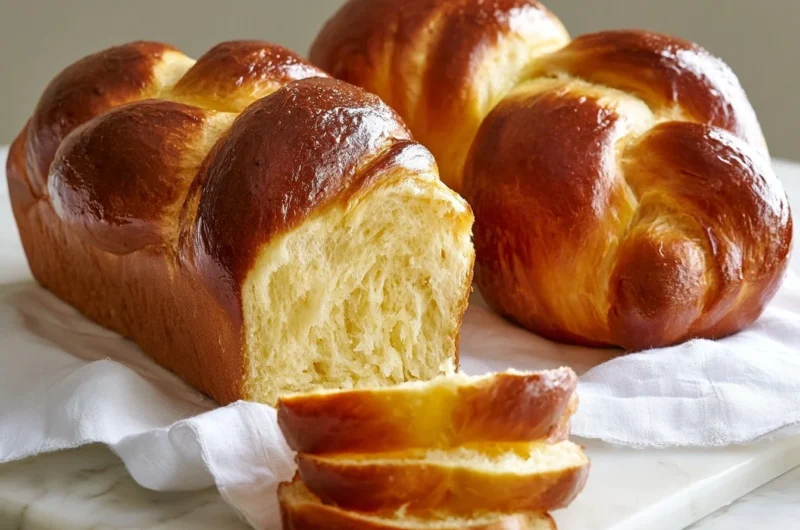
Classic French Brioche Bread: A Timeless Delight
The workshop was alive with the sound of laughter and the warm, yeasty aroma of bread baking, as the sun streamed through the large windows. It was a crisp autumn afternoon, and I was surrounded by friends, each learning the art of crafting Classic French Brioche Bread. As the dough transformed under our hands, the promise of soft, pillowy loaves filled the air with an irresistible allure. You may also find Classic Banana Bread The Perfect Homemade Recipe useful.
Brioche is not just a bread; it is an experience, combining the richness of butter and sugar into a cloud-like creation that elevates any meal or gathering. This classic recipe brings together simple ingredients to create a loaf that is both luxurious and comforting, making it a beloved staple in many kitchens. You may also find French Bread Recipe useful.
Why you’ll love this Classic French Brioche Bread
- The rich, buttery flavor enhances both savory and sweet dishes.
- Perfect for breakfast as French toast or elegant afternoon tea sandwiches.
- A delightful addition to festive gatherings and special occasions.
- Its soft texture makes it suitable for sandwiches, toast, or simply enjoyed fresh.
- The recipe is accessible for both novice and experienced bakers.
Ingredients you’ll need
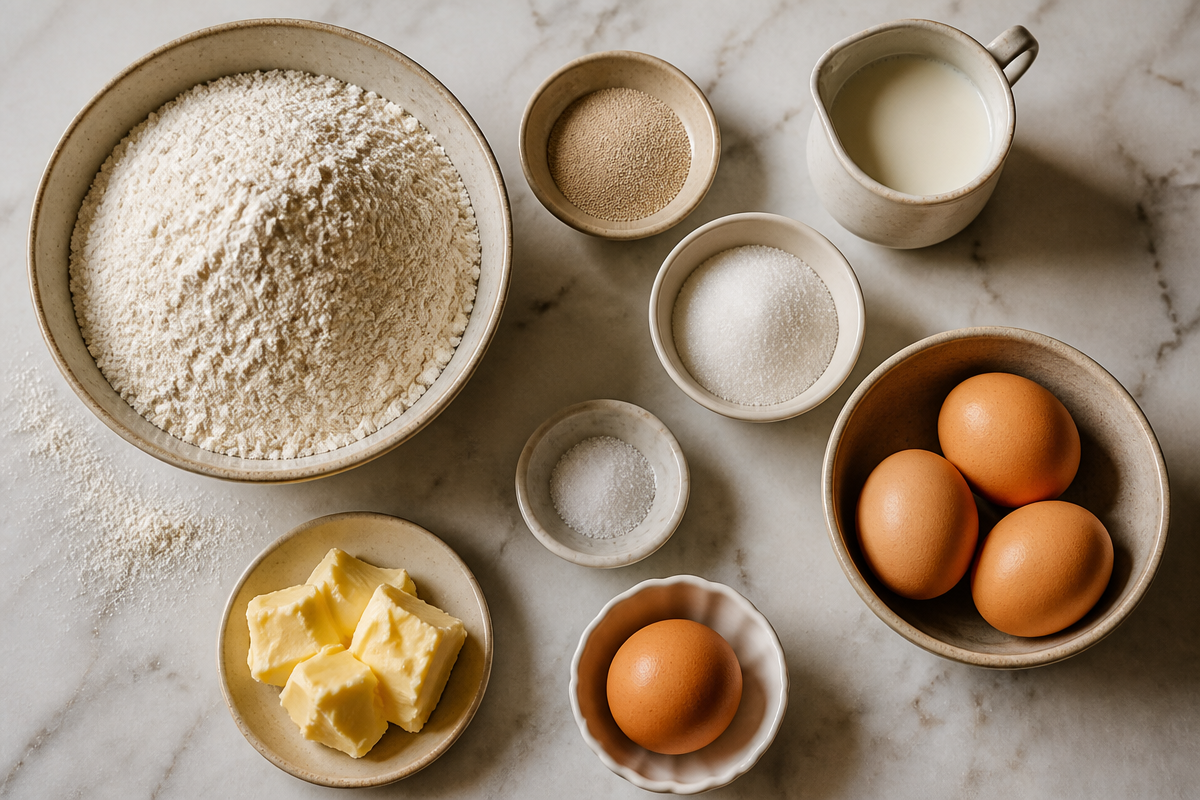
- 4 cups all-purpose flour (provides the structure needed for bread).
- 1/2 cup granulated sugar (adds sweetness and helps with browning).
- 2 1/4 teaspoons active dry yeast (essential for leavening; you can substitute with instant yeast).
- 1 teaspoon salt (enhances flavor).
- 5 large eggs (adds richness and moisture; use large eggs for the best results).
- 1 cup unsalted butter, softened (the key to creamy, rich brioche; avoid margarine).
How to make Classic French Brioche Bread (step-by-step)
-
Activate the yeast: In a small bowl, combine the warm water (about 110°F) with the yeast and a teaspoon of sugar, letting it sit for about 5-10 minutes until frothy. You may also find Baked French Dip Biscuits useful.
-
Mix the dough: In a large bowl, whisk together flour, sugar, and salt. Create a well in the center and add the yeast mixture along with the eggs. Mix until a dough forms.
-
Knead: Transfer the dough to a floured surface and knead for about 10 minutes until it becomes smooth and elastic. If using a stand mixer, use the dough hook on medium speed for about 5 minutes.
-
Incorporate the butter: Gradually add the softened butter, continuing to knead until it is fully incorporated and the dough is shiny.
-
First rise: Place the dough in a greased bowl, cover it with a damp cloth, and let it rise in a warm place for about 1-2 hours, or until it has doubled in size.
-
Shape the dough: Once risen, punch the dough down and turn it out onto a floured surface. Divide it into three equal pieces, rolling each into a long rope. Braid the ropes together and tuck the ends under.
-
Second rise: Place the braided dough into a greased loaf pan, cover it, and let it rise again for about 45 minutes to an hour until puffy.
-
Bake: Preheat your oven to 350°F (175°C). Brush the top with an egg wash (beaten egg mixed with a tablespoon of water). Bake for 30-35 minutes, until golden brown. Let it cool in the pan for 10 minutes before transferring it to a wire rack.
Tips for the best results
- Temperature matters: Ensure your butter is at room temperature for easy incorporation, avoiding cold or melted butter, which can alter the texture.
- Control the rise: If your kitchen is particularly cold, place the dough in a slightly warm (turned off) oven to help it rise properly.
- Testing for doneness: To check if the brioche is fully baked, tap the bottom of the loaf; it should sound hollow when done.
- Flavor adjustments: For variances in flavor, consider adding zest from an orange or lemon, or a splash of vanilla extract to the dough.
Common mistakes to avoid
- Not enough time for rising: Rushing the rising process can result in dense bread. Always allow the dough sufficient time to double in size.
- Over or underbaking: Keep a close eye on your brioche in the oven. If it browns too quickly, tent it with foil to prevent burning.
- Sticky dough: If the dough is too sticky to handle after adding the butter, don’t add too much extra flour. Instead, continue kneading until it becomes less sticky.
Variations
- Chocolate brioche: Incorporate chocolate chips into the dough for a sweet twist.
- Savory brioche: Add herbs such as rosemary or garlic to the dough for a delightful savory variation.
- Brioche rolls: Instead of shaping it into a loaf, cut the dough into smaller pieces and shape them into rolls for individual servings.
Storage and reheating
Brioche can be stored at room temperature for up to 3 days, wrapped tightly to keep it fresh. For longer storage, freeze the loaves in an airtight bag for up to 3 months. To reheat, simply thaw at room temperature and warm in the oven at 350°F for about 10-15 minutes.
Frequently asked questions
- Can I use whole wheat flour? Yes, you can substitute up to half of the all-purpose flour with whole wheat, but it may change the texture and rise.
- Why did mine turn out dry? Overbaking can lead to dryness; use a thermometer to ensure the internal temperature reaches around 190°F for best results.
- Can I make this ahead? Absolutely! You can prepare the dough the night before, let it rise in the fridge, and shape it the next day before the second rise.
Final thoughts
As I often reflect back on that memorable workshop, the warmth of the brioche and the laughter shared with friends fill my heart. Baking Classic French Brioche Bread transforms not just ingredients but also moments, allowing you to savor sweet memories with every bite. Whether it’s for a cozy breakfast or a celebration, this timeless bread always feels like home.
Conclusion
In exploring the art of classic French brioche, you may find inspiration in various sources. For instance, check out Classic French Brioche for additional insights, or delve into the recipe provided by Matt Adlard for a different perspective on this beloved bread. Happy baking!
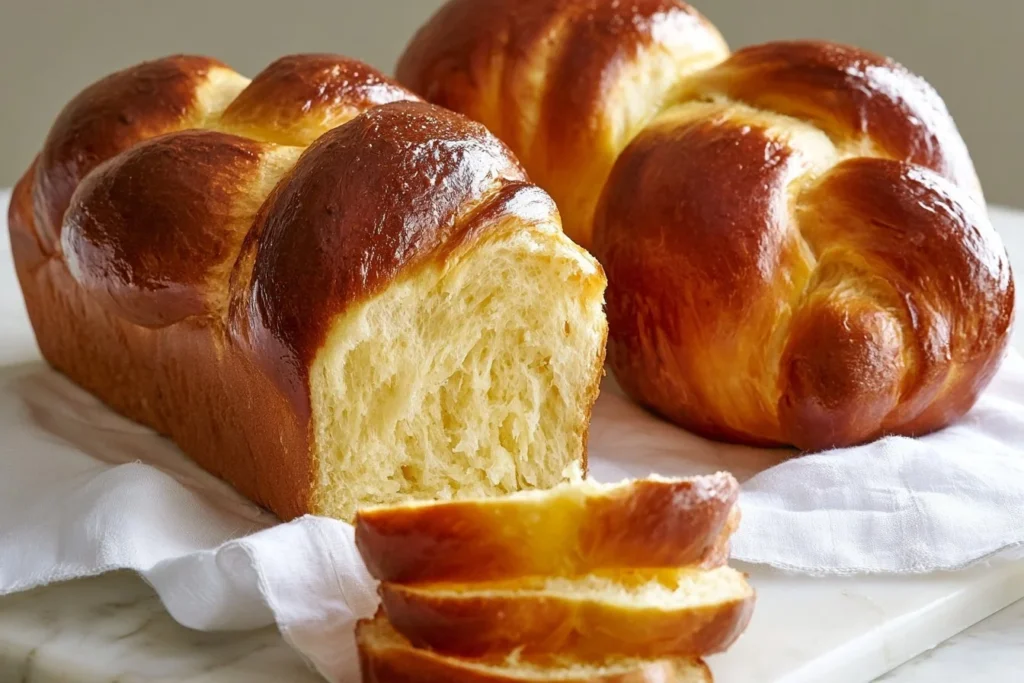
Classic French Brioche Bread
Ingredients
Method
- Activate the yeast: In a small bowl, combine the warm water (about 110°F) with the yeast and a teaspoon of sugar, letting it sit for about 5-10 minutes until frothy.
- Mix the dough: In a large bowl, whisk together flour, sugar, and salt. Create a well in the center and add the yeast mixture along with the eggs. Mix until a dough forms.
- Knead: Transfer the dough to a floured surface and knead for about 10 minutes until it becomes smooth and elastic. If using a stand mixer, use the dough hook on medium speed for about 5 minutes.
- Incorporate the butter: Gradually add the softened butter, continuing to knead until it is fully incorporated and the dough is shiny.
- First rise: Place the dough in a greased bowl, cover it with a damp cloth, and let it rise in a warm place for about 1-2 hours, or until it has doubled in size.
- Shape the dough: Once risen, punch the dough down and turn it out onto a floured surface. Divide it into three equal pieces, rolling each into a long rope. Braid the ropes together and tuck the ends under.
- Second rise: Place the braided dough into a greased loaf pan, cover it, and let it rise again for about 45 minutes to an hour until puffy.
- Bake: Preheat your oven to 350°F (175°C). Brush the top with an egg wash (beaten egg mixed with a tablespoon of water). Bake for 30-35 minutes, until golden brown. Let it cool in the pan for 10 minutes before transferring it to a wire rack.