

Traditional German Sauerkraut Recipe
The scent of tangy cabbage fills the air as the fermentation process transforms the humble vegetable into a beloved staple, one that has graced tables for centuries. My first experience with homemade sauerkraut happened in my grandmother’s kitchen, where she deftly shredded the cabbages, a smile on her face as she explained the magic of fermentation. The vibrant green and violet leaves transformed into a crispy, sour delight that forever changed the way I viewed this iconic dish. You may also find 1 Dr Pepper Barbecue Sloppy Joes Recipe useful.
This traditional German sauerkraut recipe is not only rooted in rich history but also incredibly versatile. As we dive into the world of probiotics and the nutritional benefits of fermented foods, you’ll discover how simple ingredients can create something much greater than the sum of their parts. You may also find 10 Simple Pasta Dinner Recipes Even Beginners Cant Mess Up useful.
Why you’ll love this Traditional German Sauerkraut Recipe
- It enhances gut health, thanks to the probiotics formed during fermentation.
- The process is straightforward and requires minimal ingredients—just cabbage and salt!
- Homemade sauerkraut tastes far fresher than store-bought options.
- You can customize the flavor by adding spices or other vegetables.
- This recipe is perfect for batch cooking, ensuring you have a delicious condiment on hand.
Ingredients you’ll need
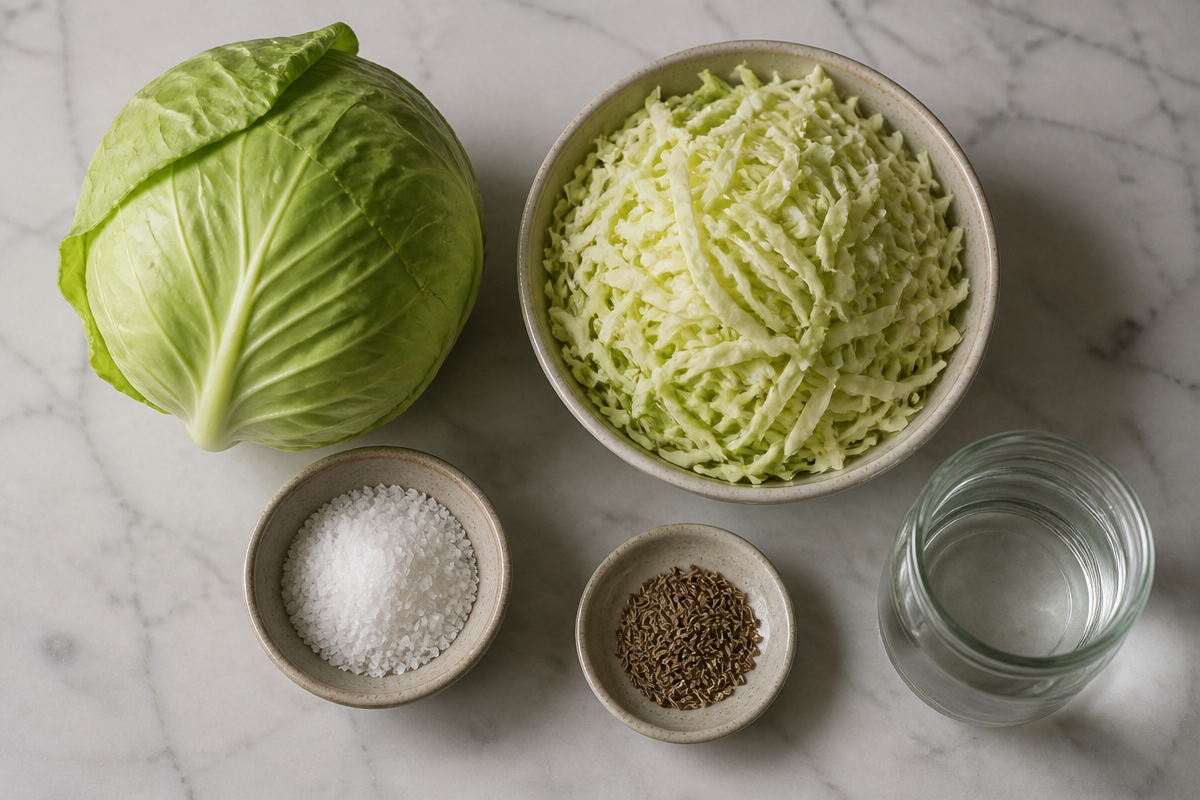
- 1 medium green cabbage (provides a crunchy texture and slightly sweet flavor)
- 1 tablespoon sea salt (helps with preservation and enhances fermentation)
- Optional: caraway seeds (adds an earthy flavor, which complements the cabbage)
How to make Traditional German Sauerkraut (step-by-step)
-
Prepare the cabbage: Cut the cabbage into quarters, remove the core, and slice the leaves into thin strips. The thinner they are, the quicker they will ferment. You may also find 30 Minute Pasta Recipes For When Youre Short On Time useful.
-
Mix with salt: Place the cabbage in a large bowl, sprinkle the sea salt over the top, and start massaging the mixture with your hands. This breaks down the cabbage, releasing moisture to create the brine.
-
Pack tightly: When the cabbage becomes limp and releases enough liquid, transfer it to a clean jar. Pack it down firmly to remove any air pockets and ensure the liquid rises above the cabbage.
-
Add caraway seeds: If you’re using caraway seeds, sprinkle them evenly over the packed cabbage for added flavor.
-
Ferment: Seal the jar with a lid, but not too tightly, to allow gases to escape. Place the jar in a cool, dark area and let it ferment for 1-4 weeks, depending on your taste preference. Check it regularly and push the cabbage down if it rises above the brine.
-
Taste test: After one week, begin tasting the sauerkraut. It will develop a tangy flavor as it ferments. When it reaches your preferred taste, transfer it to the refrigerator to slow the fermentation process.
-
Store: Sauerkraut can be stored in the fridge for several months.
Tips for the best results
- Use organic cabbage for the best flavor and nutrient profile.
- Make sure your jar is sterile to prevent unwanted bacteria from spoiling the sauerkraut.
- If you see any mold on the top of the sauerkraut during fermentation, simply remove it and continue; it won’t affect the rest of the batch.
Common mistakes to avoid
-
Under-salting: If you don’t use enough salt, the fermentation might not occur correctly. Stick to the recommended amount.
-
Not packing tightly enough: Air pockets can lead to spoilage. Ensure the cabbage is densely packed under the brine.
-
Using the wrong container: Metal containers can react with the fermentation, so always use glass or food-grade plastic.
Variations
- Add shredded carrots or radishes for extra flavor and color.
- Mix herbs like dill or thyme for a fresh twist.
- Experiment with different types of cabbage, such as red cabbage, for a visually striking dish.
Storage and reheating
Store your homemade sauerkraut in the refrigerator in a sealed jar. It can last up to 6 months. To serve, simply scoop out the desired amount with a clean utensil to avoid contamination. There is no need for reheating; it’s perfect served cold.
Frequently asked questions
Can I use a different type of cabbage?
Yes! Napa cabbage and red cabbage can add different flavors and textures to your sauerkraut.
Why did mine turn out too salty?
Too much salt can be balanced out by adding some fresh grated cabbage. Mix well and allow it to continue fermenting.
How can I tell if it has gone bad?
If it has a foul odor or any unusual discoloration, it’s best to discard it.
Final thoughts
As the vegetables transform over time, the delicate balance of flavors and textures comes together in a beautiful way, just like those cherished memories of my grandmother’s kitchen. Making this Traditional German Sauerkraut is a simple process that offers a taste of tradition and health benefits with each bite. Embrace this culinary journey, and you may discover your own fond memories linked to this wonderful dish.
Conclusion
Homemade sauerkraut is not just about the taste; it’s an adventure into the world of fermentation. For more unique takes on sauerkraut and other recipes, you might explore an authentic German sauerkraut recipe or learn how to make sauerkraut with different twists. Enjoy the journey of creativity and flavor exploration!

Traditional German Sauerkraut
Ingredients
Method
- Cut the cabbage into quarters, remove the core, and slice the leaves into thin strips.
- Place the cabbage in a large bowl, sprinkle the sea salt over the top, and massage the mixture with your hands to release moisture.
- Transfer the cabbage to a clean jar, packing it down firmly to remove any air pockets and ensure the liquid rises above the cabbage.
- If using, sprinkle caraway seeds evenly over the packed cabbage.
- Seal the jar with a lid but not too tightly to allow gases to escape.
- Place the jar in a cool, dark area and let it ferment for 1-4 weeks, depending on your taste preference.
- Check regularly and push the cabbage down if it rises above the brine. Begin tasting after one week.
- When it reaches your preferred taste, transfer it to the refrigerator to slow the fermentation process.
- Store sauerkraut in the fridge in a sealed jar for several months.