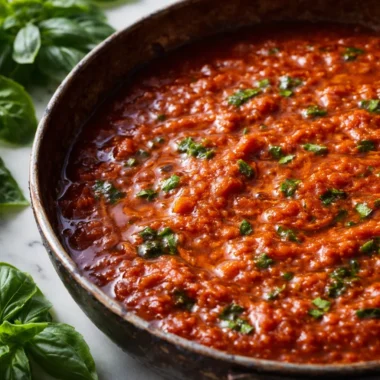
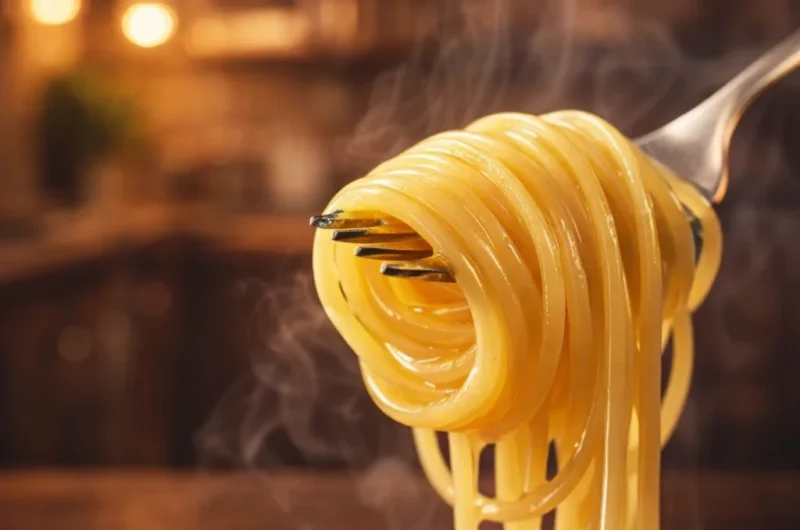
How to Cook Pasta Perfectly Every Single Time! sounds a little bold, but honestly, pasta is one of those things that can go from amazing to weird and sticky in like two minutes. I used to blame the brand, my pot, my stove, my mood, anything. Then I realized it is mostly a few small habits that make the difference. Once you lock those in, you get that bouncy, flavorful bite on repeat, even on a busy weeknight. Let me walk you through how I do it at home, without making it feel like a science project.
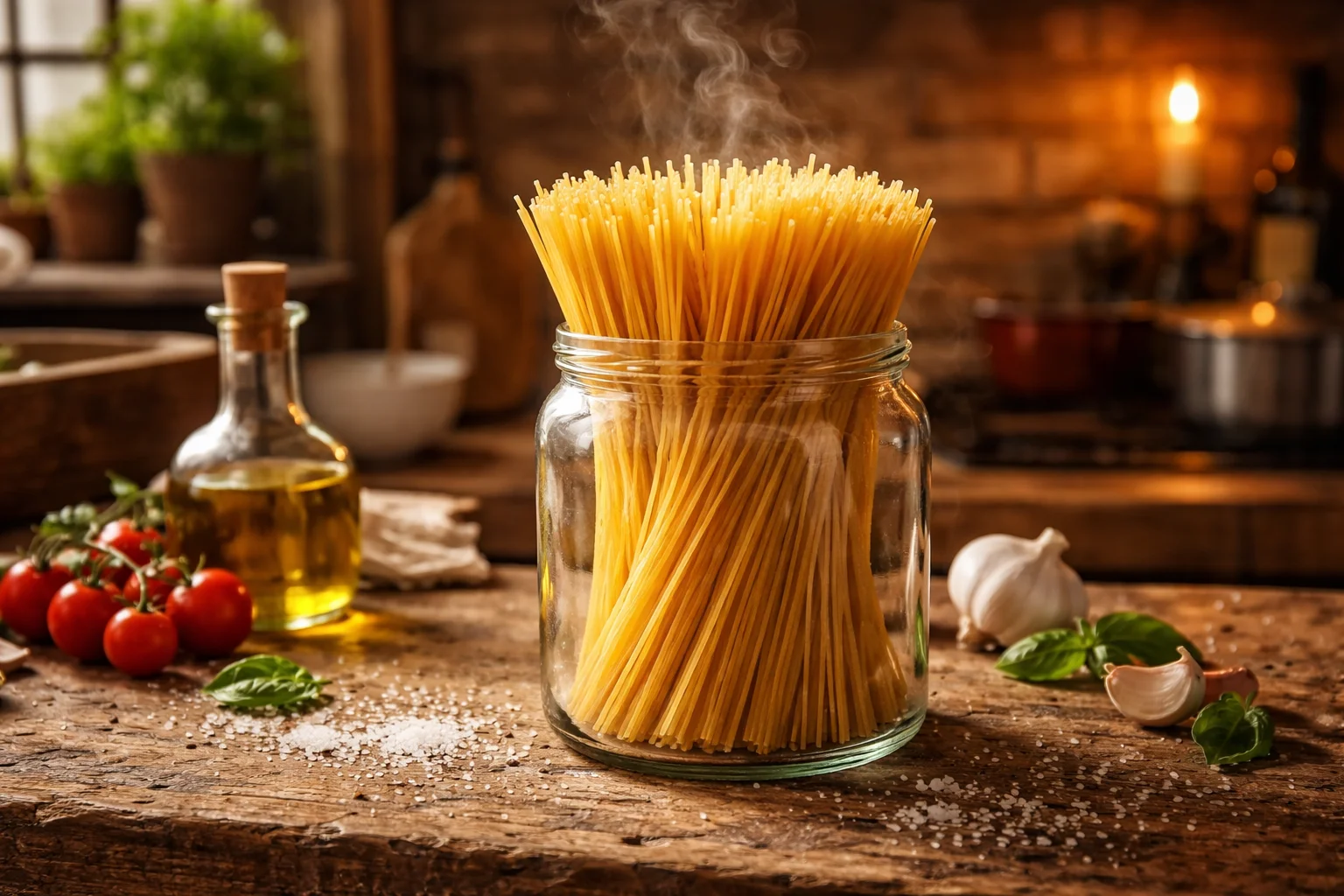
How to Cook Pasta Perfectly (Quick Guide)
If you want the simple version first, here it is. This is the exact routine I use when I want pasta that tastes like it belongs in a cozy little restaurant bowl, not a sad pile that needs rescuing.
My everyday pasta routine
- Use a big pot and bring the water to a strong boil first.
- Salt the water until it tastes pleasantly salty. This is where pasta flavor starts.
- Add pasta, stir right away, then stir again a minute later to prevent clumps.
- Start tasting 2 minutes before the box time. You are looking for tender with a little bite.
- Reserve some pasta water, then drain quickly. Do not rinse.
- Finish the pasta in the sauce for 1 to 2 minutes so everything melts together.
That is the whole thing. The only part that changes is the sauce and the shape of pasta. If you are making a creamy pasta night, you might like my chicken alfredo pasta style vibe because it really shows off how good pasta feels when it is finished in the sauce instead of just topped with it.
“I always thought I was bad at pasta, but the salty water plus finishing in the sauce changed everything. Now my spaghetti actually tastes like something even before the sauce hits.”
How Much Water to Boil Pasta In
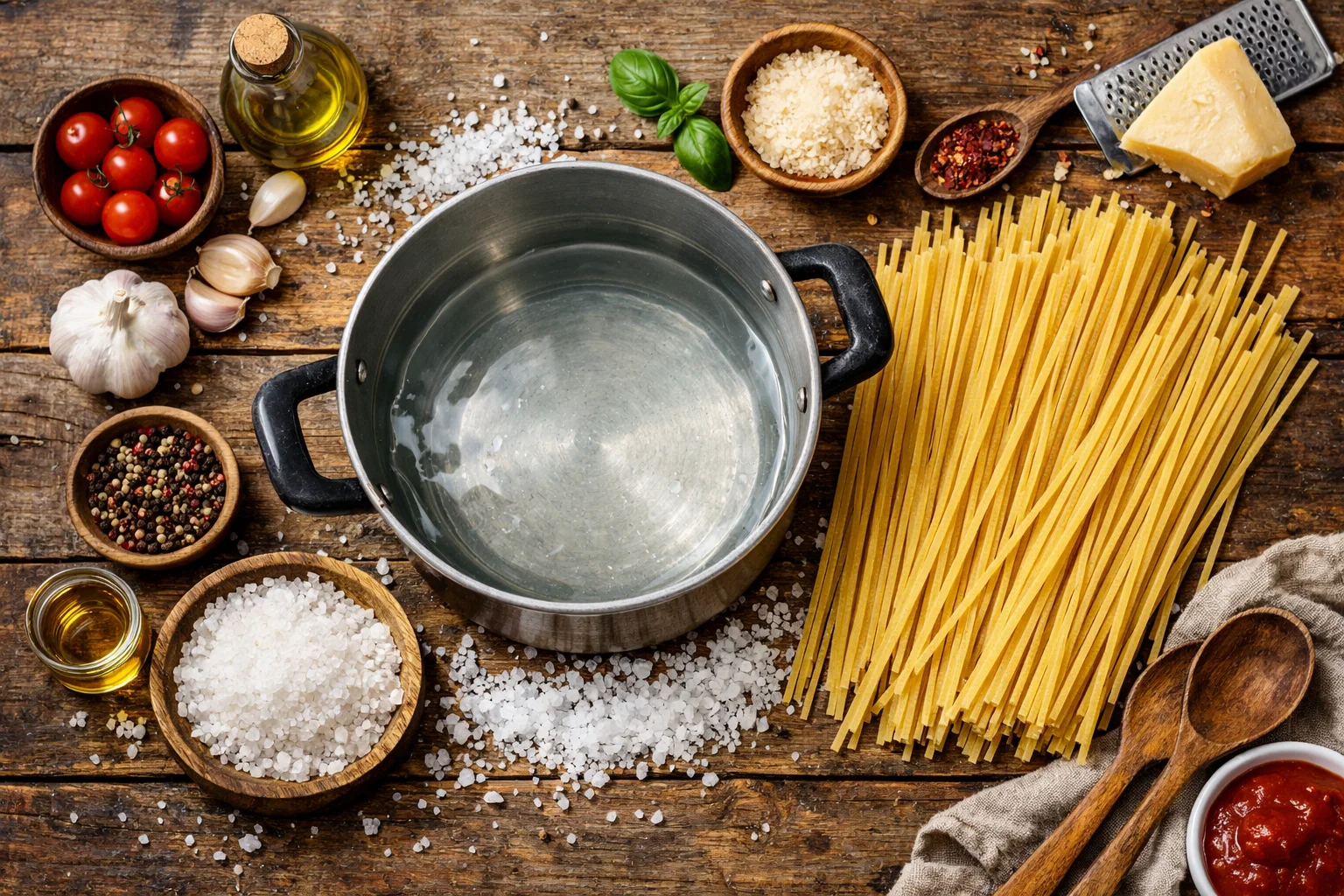
Let us talk water, because this is where people get tripped up. You do not need a giant stockpot for every single shape, but you do need enough water so the pasta can move around freely. That movement is what helps it cook evenly and not glue itself together.
My easy rule: pick the biggest pot you have that still feels comfortable to drain safely. For long noodles like spaghetti or linguine, I go bigger. For short shapes like penne, medium is fine if you stir well.
Here is a practical guide you can actually remember:
- For 1 pound of pasta: about 4 to 6 quarts of water is a sweet spot.
- For 8 ounces of pasta: about 2 to 3 quarts works well.
- If your pot is smaller: use less pasta or stir more often, especially in the first 2 minutes.
Now the salt question. I do not measure it with spoons most nights, I taste the water. It should taste like the sea, but not so salty you would spit it out. If you are nervous, start lighter, then adjust next time. But do not skip it, because it is the easiest way to level up flavor without extra work.
Also, quick note about oil in pasta water. I skip it. Oil floats, it does not really stop sticking the way you want, and it can make sauce slide off later. If you are dealing with sticking, it is almost always a stirring and water volume issue.
How to Finish the Pasta in the Sauce
This is the step that makes people say, “Wait, why does yours taste better?” It is not fancy. It is just finishing the pasta in the sauce so the noodles soak up flavor and the sauce clings instead of pooling at the bottom of the bowl.
Here is what I do: I start my sauce in a skillet or sauté pan while the pasta cooks. When the pasta is almost done, I scoop out a mug of pasta water. Then I transfer the pasta straight into the sauce with tongs or a spider strainer. I let it bubble together for 1 to 2 minutes, adding little splashes of pasta water until the sauce looks silky.
Pasta water is magic for two reasons: it is salty, and it is a little starchy. That starch helps sauce hug the noodles. This is especially helpful for simple sauces like garlic and olive oil, marinara, or pesto. If you love pesto flavors, check out this creamy pesto chicken pasta bake for a comfort-food take that still benefits from well cooked pasta underneath.
One more thing: do not drain the pasta and let it sit in a colander while you “finish the sauce.” That is how you get sticky clumps. Timing matters, but once you do it a few times it becomes second nature.
And yes, this step is part of How to Cook Pasta Perfectly Every Single Time! because it is what turns “cooked noodles” into “a pasta dish.”
Pasta Troubleshooting (Quick Fixes)
Even when you know the basics, pasta nights happen fast. Kids are hungry, you are multitasking, and suddenly something is off. Here are the fixes I use most often, without panic.
If your pasta is sticking together:
It usually needed more stirring early on, or the water was not boiling hard enough when you added it. If it is already stuck, toss it immediately with a little sauce and a splash of pasta water. If you have no sauce yet, use a tiny bit of olive oil and keep it moving, then get it into sauce as soon as you can.
If your pasta tastes bland:
That is almost always under-salted water. You can fix it by using a slightly saltier sauce, finishing with a salty cheese, or adding a pinch of salt to the sauce plus a splash of pasta water. But next time, salt the water properly. Your future self will thank you.
If your pasta is mushy:
It cooked too long, or it sat hot after draining. For now, lean into it with a baked dish or a thicker sauce that can hide softness. For next time, start tasting early and pull it when it is just a little firm because it will keep cooking in the sauce.
If your sauce will not cling:
Add a splash of pasta water and simmer a minute. If it is a butter or cheese sauce, lower the heat and stir constantly. Clingy sauce is usually about starch plus gentle heat.
If you are meal prepping and wondering how long leftovers stay safe, I found this super helpful and practical: how long chicken spaghetti is good in the refrigerator. Pasta nights often turn into lunch the next day around here.
Tips for Consistent Results
This is the part that makes pasta feel easy forever. If you only remember a handful of things, remember these. They keep you steady no matter what sauce you are making.
1. Boil means boil
If the water is just gently simmering, the pasta can release starch too fast and get gummy. Wait for the rolling boil, then add pasta.
2. Stir early, then chill
Stir a lot for the first minute or two. After that, you can stir occasionally. Most sticking happens right at the start.
3. Taste, do not trust the box
Box times are a starting point, not law. Different brands and shapes vary. Start tasting early and you will never be surprised.
4. Save pasta water every time
Even if you think you will not need it, save it. It is like a safety net for sauce texture.
5. Choose the right shape for the job
If you are doing a chunky meat sauce, go for ridged or twisty shapes that grab bits. If it is a creamy sauce, long noodles feel extra cozy. This is not about being fancy, it is about making dinner feel right.
When I follow these, How to Cook Pasta Perfectly Every Single Time! stops being a goal and starts being your normal Tuesday.
Common Questions
Should I rinse pasta after draining?
Almost never. Rinsing washes off the starch that helps sauce stick. The only time I rinse is for cold pasta salad, and even then I toss it with dressing quickly so it does not dry out.
How do I know when pasta is al dente without overthinking it?
Bite a piece. It should be tender but still have a tiny bit of firmness in the center. If it feels crunchy, keep cooking. If it feels floppy and soft all the way through, it went too far.
Do I really need a huge pot?
You need enough room for pasta to move and enough water to keep the boil going. If your pot is smaller, reduce the pasta amount a bit and stir more often, especially at the start.
Can I cook pasta ahead of time?
Yes, but it is best fresh. If you need to, cook it just shy of done, toss with a little olive oil, cool it, then reheat by finishing in hot sauce with a splash of water.
Why does my creamy sauce break or get greasy?
Usually the heat is too high. Lower the heat, add a splash of pasta water, and stir. Gentle heat plus starch is your best friend for creamy sauces.
A cozy wrap up for your next pasta night
If you take anything from this, let it be this: salt the water, taste early, save pasta water, and finish in the sauce. Those habits are the real secret behind How to Cook Pasta Perfectly Every Single Time! and they work with basically any recipe you love. If you want even more nerdy in a good way pasta reading, I like this resource on How to Cook Pasta Perfectly (Every Single Time!) and this deeper dive, The Ultimate Guide To Cooking Pasta Perfectly. Now go put a pot of water on, and make tonight the kind of dinner that feels like you actually nailed it.
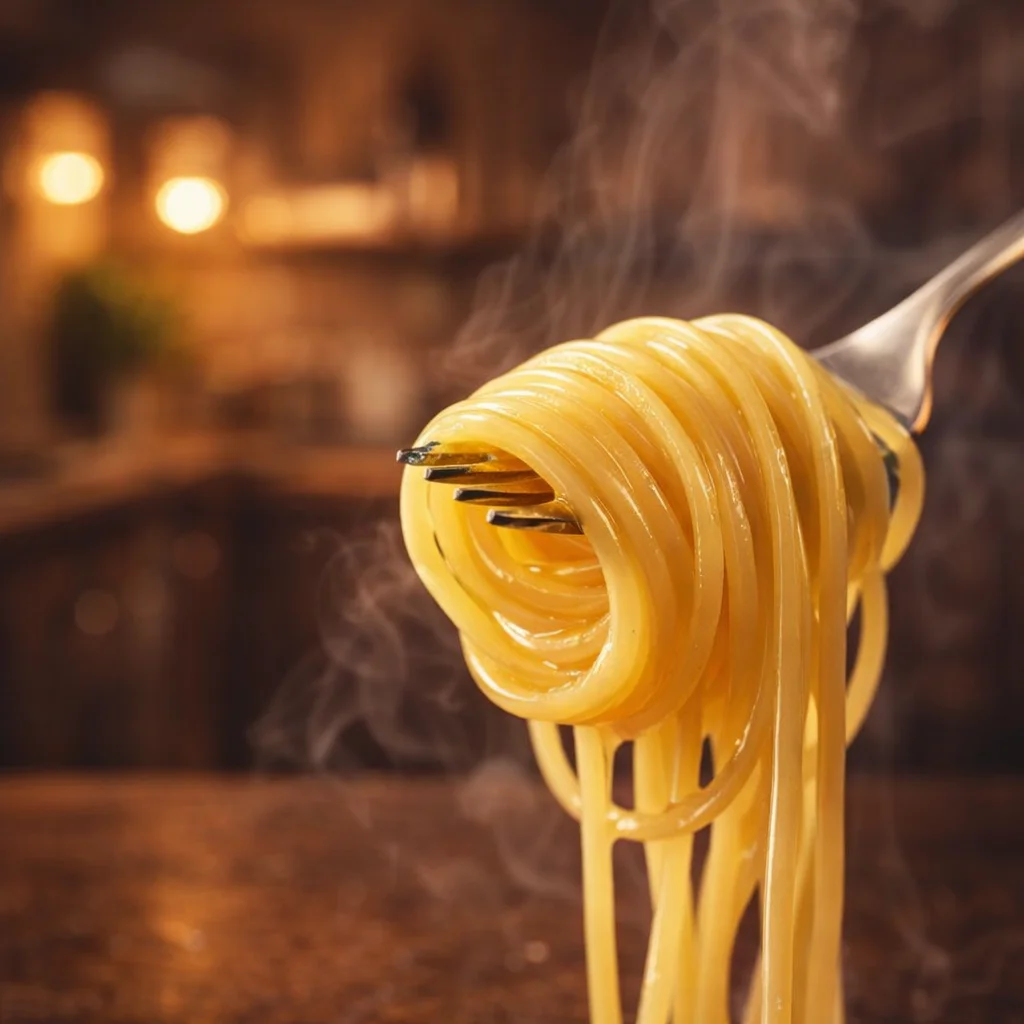
Perfect Pasta Cooking Guide
Ingredients
Method
- Fill a large pot with water and bring it to a strong boil.
- Add salt to the boiling water until it tastes pleasantly salty.
- Add the pasta and stir immediately. Stir again a minute later to prevent clumping.
- Start tasting the pasta 2 minutes before the box time for al dente texture.
- Reserve a cup of pasta water, then drain the pasta quickly without rinsing.
- Finish cooking the pasta in your sauce for 1 to 2 minutes, adding reserved pasta water as needed for a silky texture.